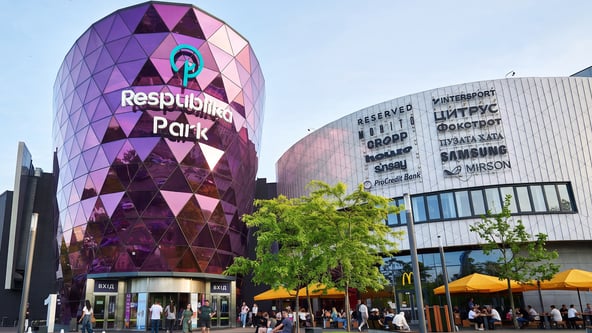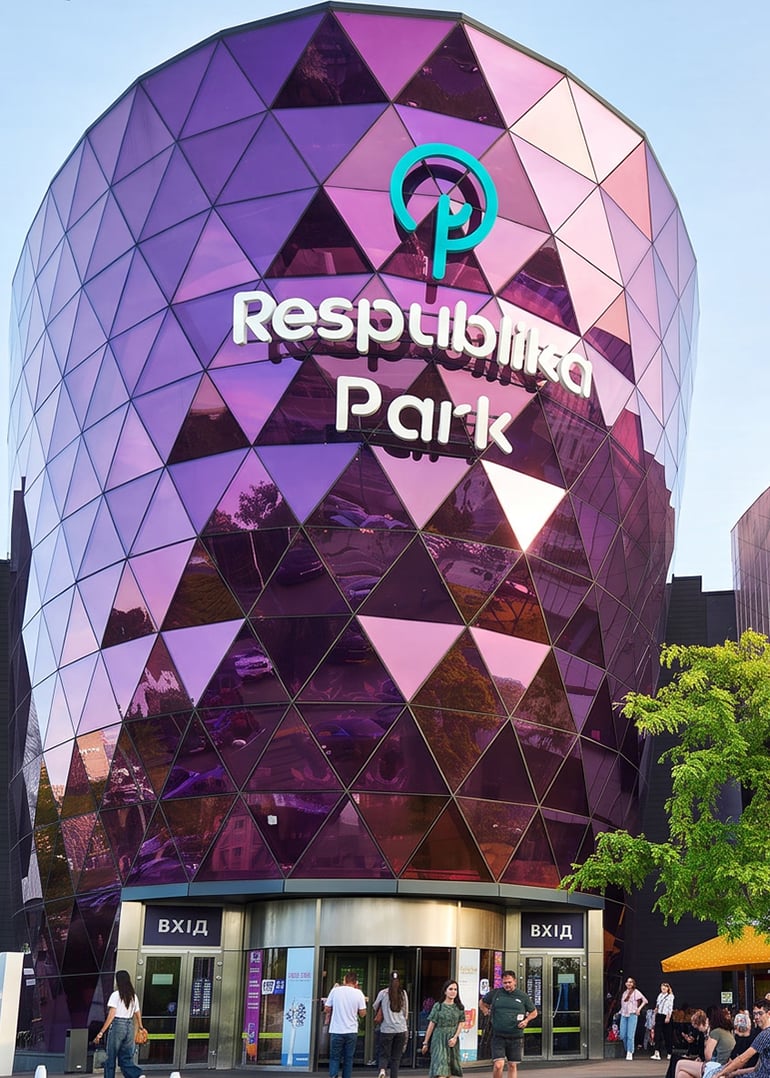
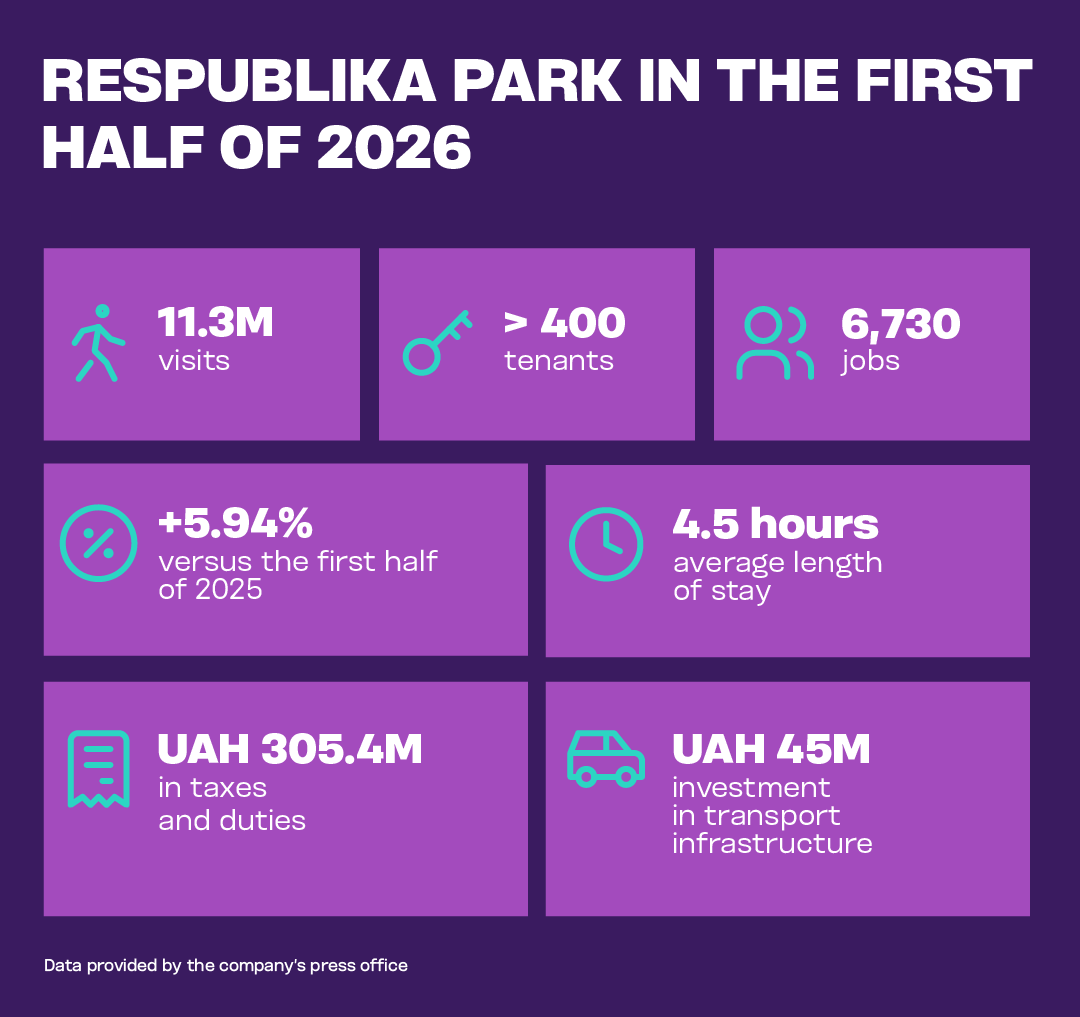
Kyiv’s Respublika Park Mall has summed up the results of the first half of 2026. During this period, the complex welcomed 11.3 million visitors – almost 6% more than a year earlier (company data).
At the same time, the mall is investing around UAH 45 million in upgrading transport infrastructure, continues to attract new Ukrainian and international brands, and is developing a long-term program to support veterans with complex amputations. Behind these figures lies a shift in the mall’s own operating model.
Respublika Park is increasingly functioning not just as a place to shop, but as a space for business, leisure, events, and social interaction.
Forbes BrandVoice spoke with Respublika Park CEO Julia Shchaslyva and JSC DILIDZHENS CFO and chairman of the Supervisory Board Yevhen Sazonov about how the Ukrainian visitor has changed, why the mall is investing in entertainment and urban infrastructure, and what confirms the long-term presence of Austrian capital in Ukraine.
GROWTH IN FOOT TRAFFIC, TAX PAYMENTS AND NUMBER OF TENANTS
Respublika Park welcomed 11.3 million visitors in the first half of the year. What’s behind this number?
Julia Shchaslyva: We’re seeing a change not just in the volume of traffic but in the very nature of visits. People are combining shopping with leisure, meetings, and events, spending an average of 4.5 hours at the complex.
The length of visits is growing, especially in the evenings on weekdays and throughout weekends. On weekdays, the complex welcomes over 65,000 guests a day on average, on weekends – more than 100,000, and during large-scale events – more than 130,000.
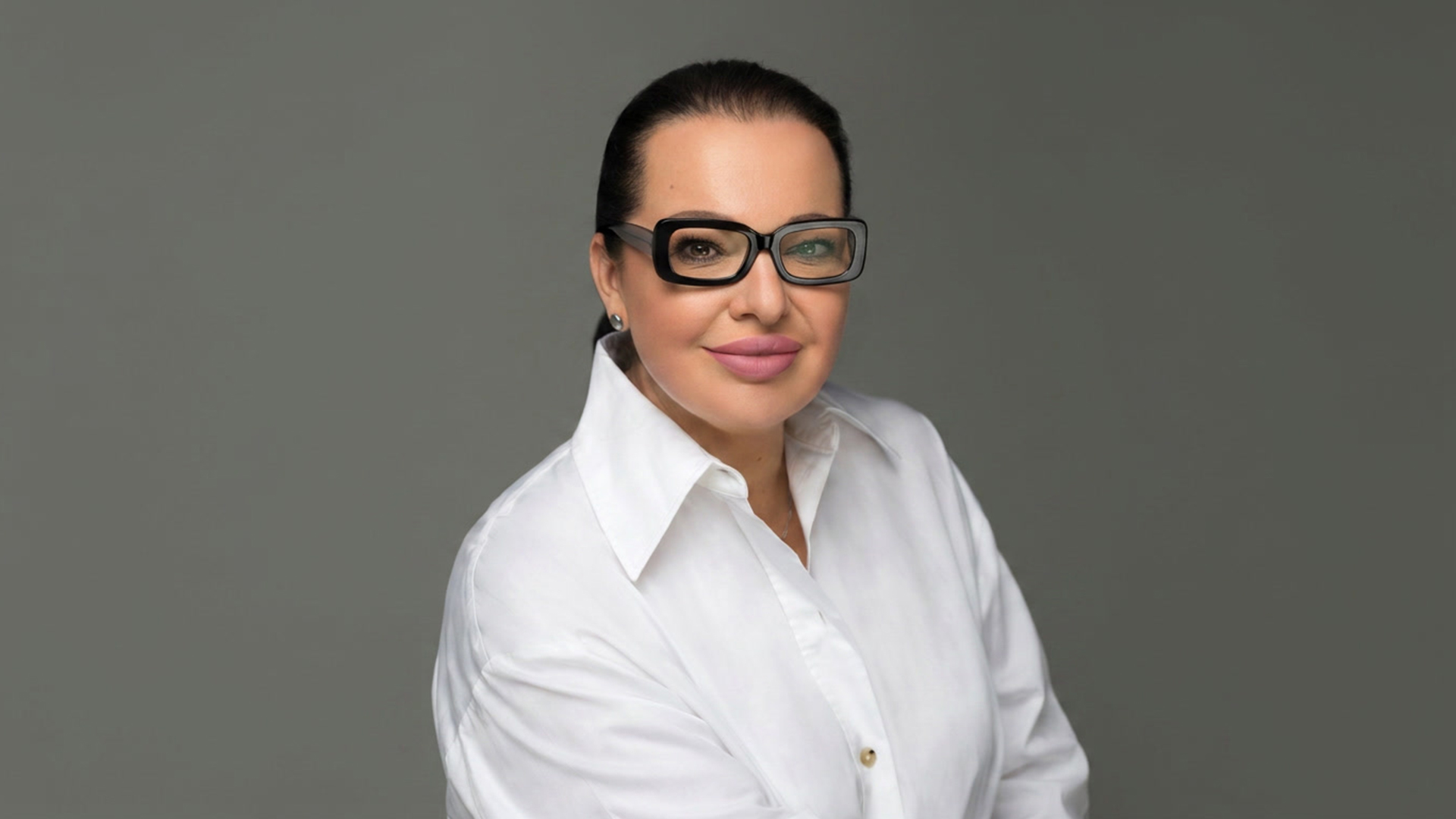
Julia Shchaslyva, CEO of Respublika Park
What do these figures mean in terms of financial and operational resilience?
Yevhen Sazonov: For us, what matters is that growth is happening across several fronts at once. Foot traffic is rising, turnover is growing, tax payments are increasing, occupancy remains high, and we continue to develop the tenant mix. In January-June 2026, companies involved in operating and managing the mall paid UAH 305.4 million in taxes and duties to the budget. That means tax and duty payments for the same period in 2025 rose by nearly UAH 19 million, or 6.6%.
Respublika Park employs around 6,730 people. Of these, 4,310 work directly in stores, restaurants, and service and entertainment venues. Another 2,420 employees ensure the operation of the complex, its security, technical maintenance, and infrastructure functioning.
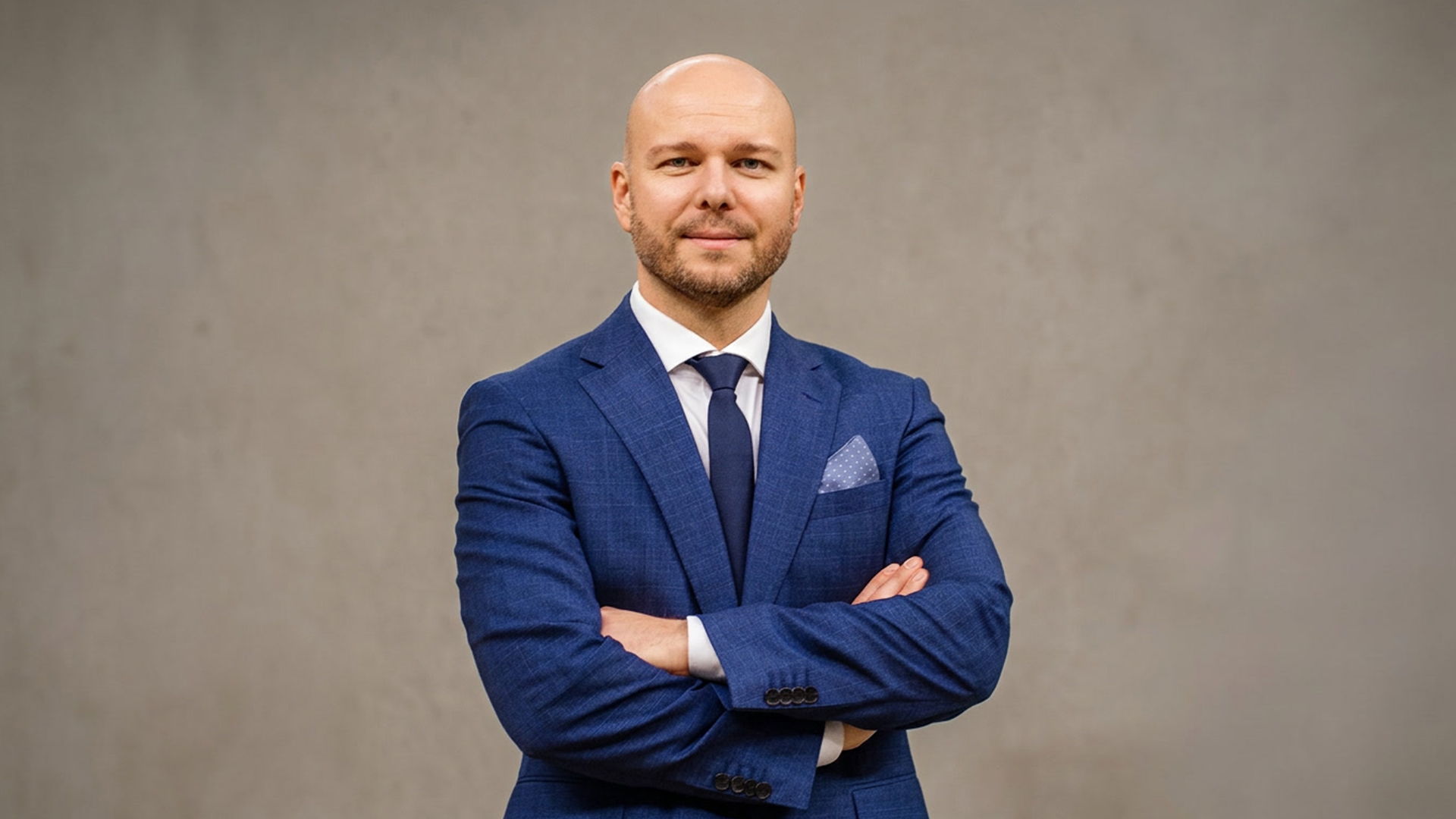
Yevhen Sazonov, CFO and Chairman of the Supervisory Board of JSC DILIDZHENS
How stable is demand for retail space today?
Yevhen Sazonov: Vacancy currently stands at 9-10%, with most available units located in the street retail format. More than 400 tenants operate in the mall, and 39 new stores and outlets opened in 2025.
We work with tenants on transparent and clear commercial terms, which is why one of the mall’s key digital products is its digital turnover-reporting system. This is a full-fledged service that centralizes the submission, verification, and analysis of sales data, minimizes manual work, and creates a single reliable source of information for both tenants and the mall.
The system offers far more than simple sales tracking. It provides the basis for quality analytics, an objective assessment of retail-outlet performance, and informed commercial decision-making. As a result, interaction between the mall and its tenants becomes simpler, more transparent, and more predictable, and partnerships are built on open data and a shared understanding of real business dynamics.
Respublika Park Mall
The mall is now rolling out the next stage of digitalization – an ML model that will combine turnover data with footfall indicators. This will make it possible to forecast sales dynamics, assess the impact of marketing activities and events, and more precisely identify the factors that influence tenants’ business results.
Respublika Park in the First Half of 2026
FROM A PURCHASE TO A 4.5-HOUR VISIT
How has the Respublika Park visitor changed in recent years?
Julia Shchaslyva: Today’s shopper has become far more demanding of the overall experience. What matters to them isn’t just range and prices, but also safety, convenient parking, restaurants, entertainment, activities for children, events, and the chance to spend time together as a family.
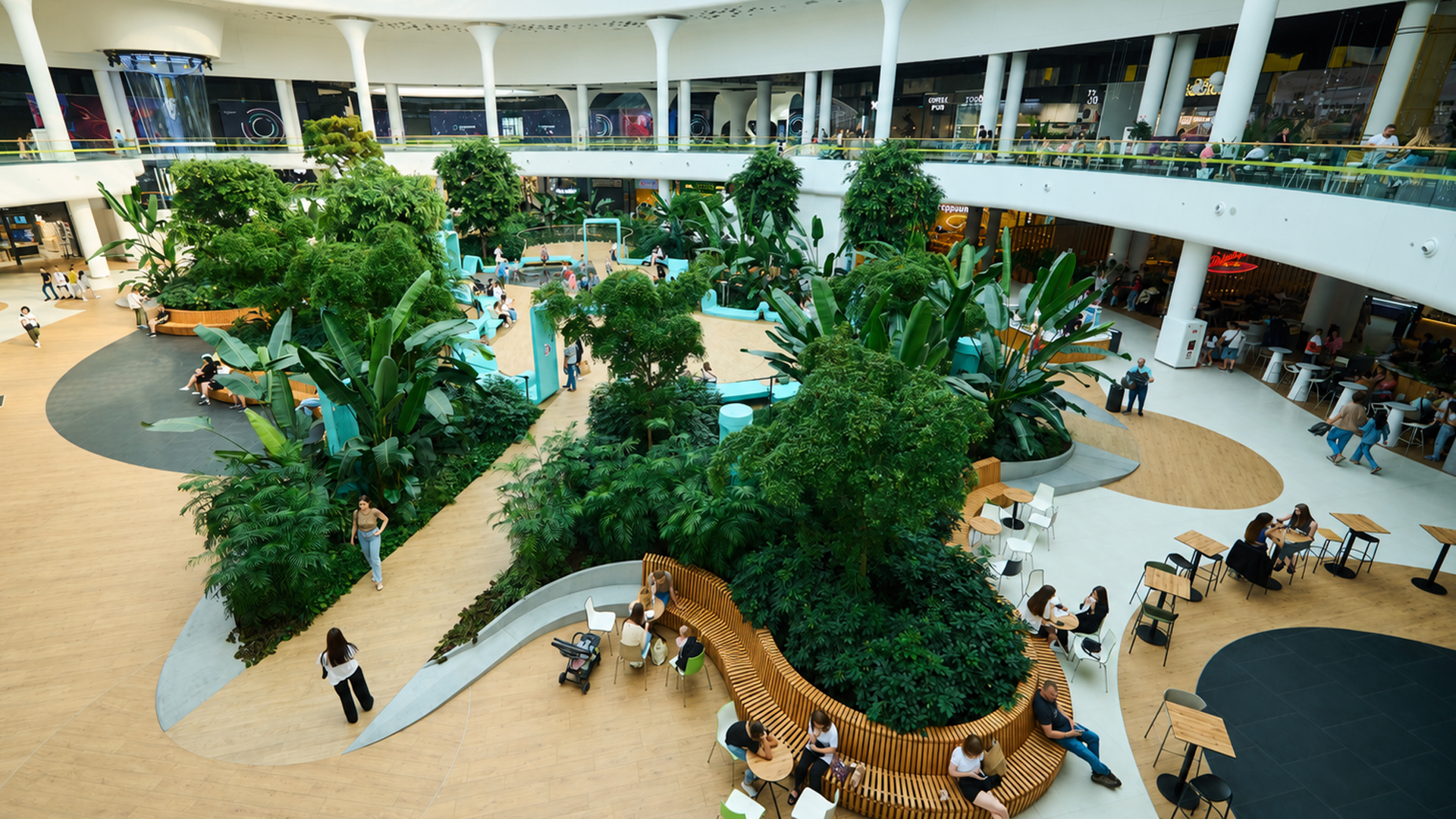
The mall is shaping a comprehensive space for everyday needs, family leisure, and extended stays by guests.
Respublika Park Mall
Why has the length of stay become an important business metric?
Yevhen Sazonov: Modern malls are transforming: from the classic retail model to mixed-use leisure assets. The economic rationale for expanding the share of entertainment operators is directly tied to a developer’s key metric – asset capitalization driven by visitor behavior. Entertainment increases the length of stay, which in turn affects average spend and visit frequency.
But not all entertainment creates value. Effectiveness is determined by an operator’s ability to generate stable, predictable traffic, attract new audiences, and convert visits into spending in other zones of the mall – stores, restaurants, and events.
Respublika Park Mall
A ʼCITY WITHIN A CITYʼ: HOW THE FORMAT MOVED BEYOND THE CLASSIC MALL
What elements make up the Respublika Park model today?
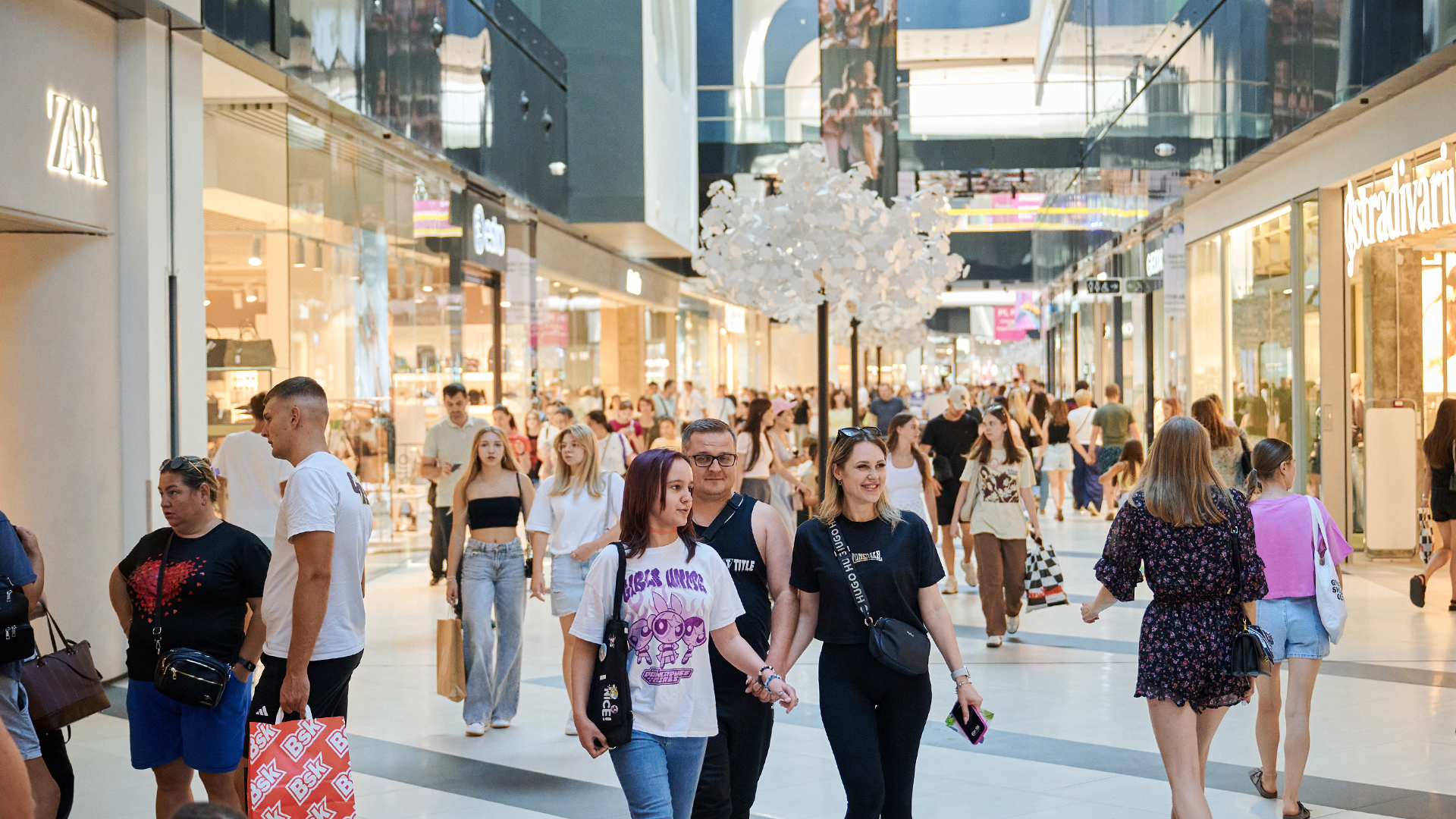
Julia Shchaslyva: Respublika Park offers a synergy of quality tenant mix, modern leisure formats, and vibrant events. We continue to attract international brands while also strengthening the position of Ukrainian manufacturers.
The mall features leading international and Ukrainian brands across all major categories. The Inditex group is represented, along with Reserved, New Yorker, H&M, Nike, Adidas, Puma, Brocard Beauty Garden, L’Occitane and others.
Respublika Park Mall
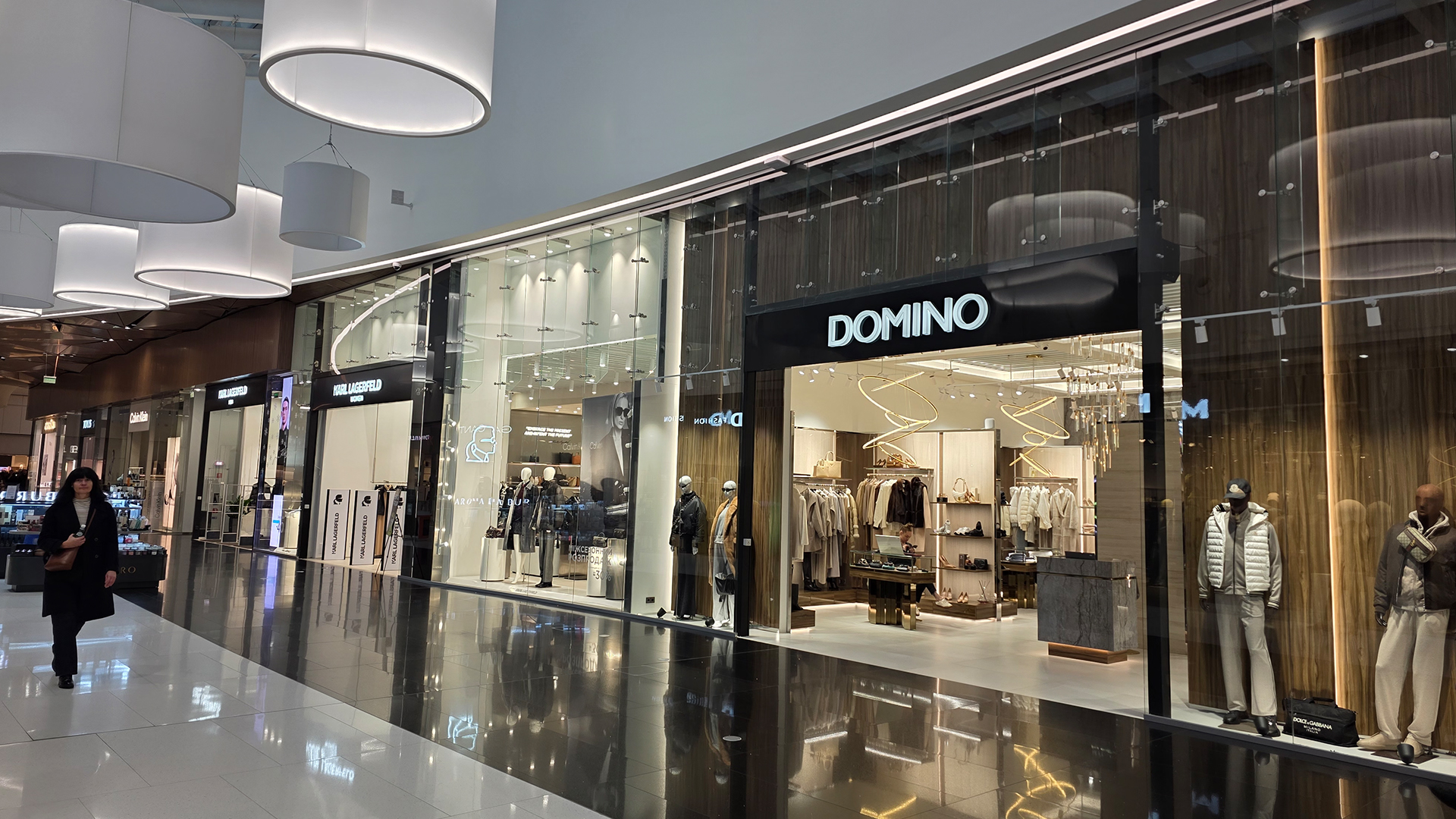
The ʼVsi. Svoiʼ (ʼAll Oursʼ) space brings together more than 50 Ukrainian brands. Following the reconcept of the premium gallery, UGG, Karl Lagerfeld Woman, Karl Lagerfeld Man, Domino, Lullaby, and Aromateque opened there. The grocery anchor is the flagship Silpo store, featuring its unique ʼBrazilʼ concept, covering roughly 10,000 sq. m.
Once the war ends, I’m confident that new international anchor tenants will establish a presence in the country, and together we will help rebuild Ukraine and grow its economy.
New Openings
Well-known European retail chain Pepco is entering the Ukrainian market and will open a 450 sq. m store at Respublika Park in October 2026.
The dining offering will soon be expanded with Chen Xiang Gui, also known as Mr. Noodle Chen, the Chinese spicy-food chain SANKU MAOTS’AI, the international beverage chain CoCo Bubble Tea, and the restaurant ʼTisto, Syr i Titka Bellaʼ (ʼDough, Cheese and Aunt Bellaʼ). The mall is also home to McDonald’s, KFC, Salateira, Domino’s Pizza, ʼChornomorkaʼ, ʼPuzata Khataʼ, ʼSushiyaʼ, IlMolino, Tbiliso, Miminoshi, Pesto Cafe, and other restaurants and eateries.
What role do restaurants and family leisure play in this model?
Julia Shchaslyva: Respublika Park is home to 20 concept restaurants and a large two-level food court. The dining component is no longer a supporting service. For many families, it has become part of a single leisure scenario.
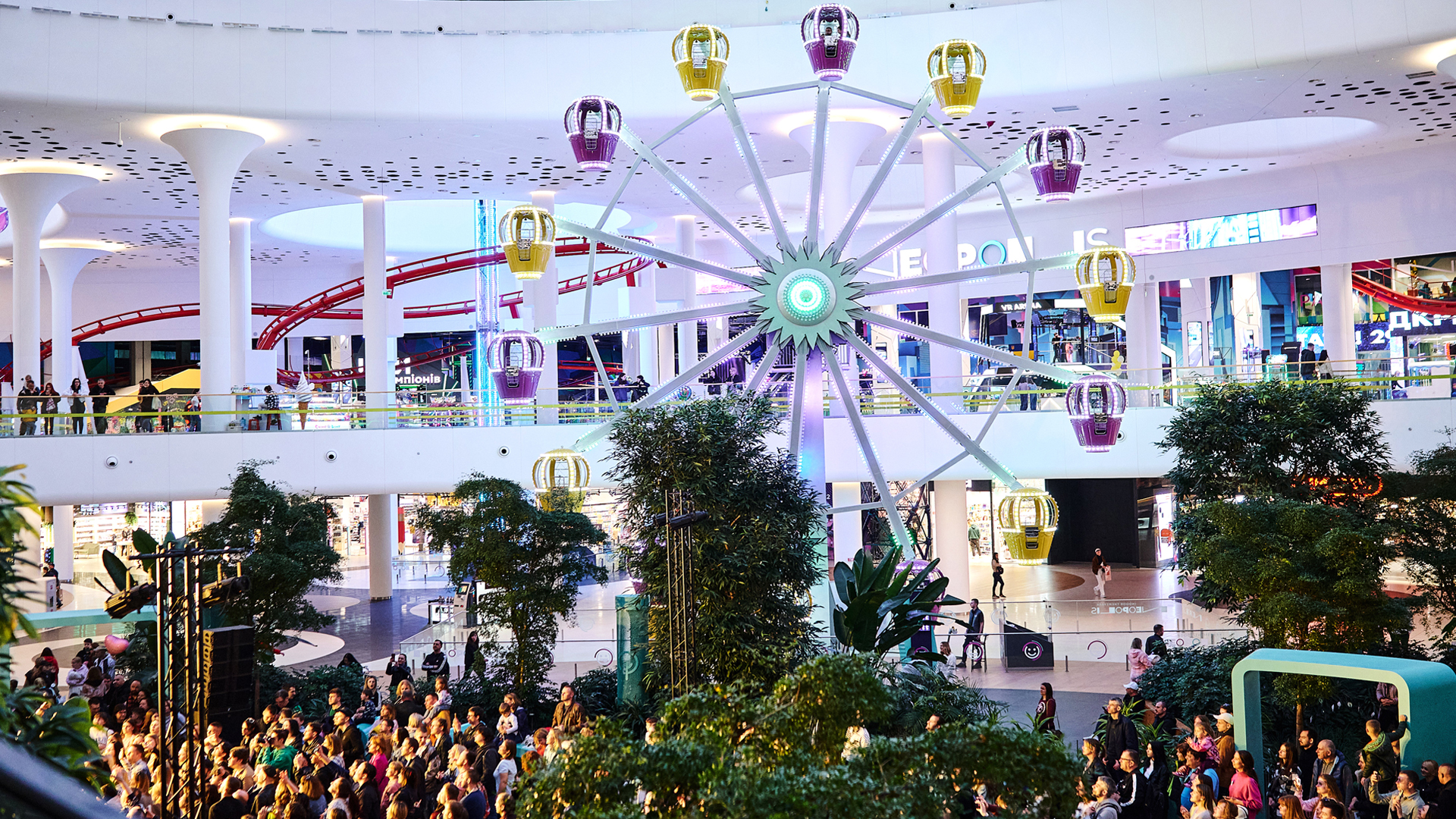
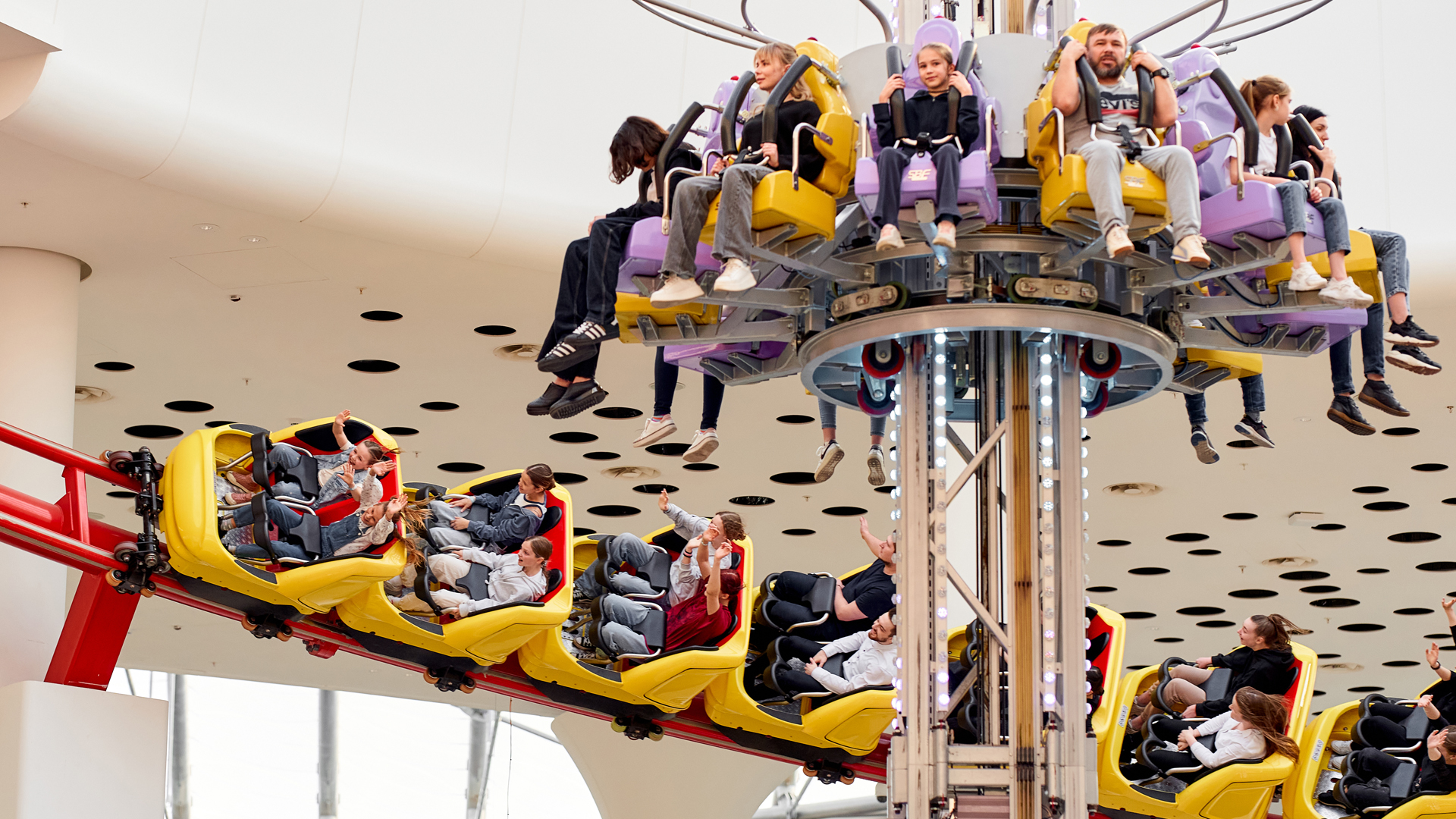
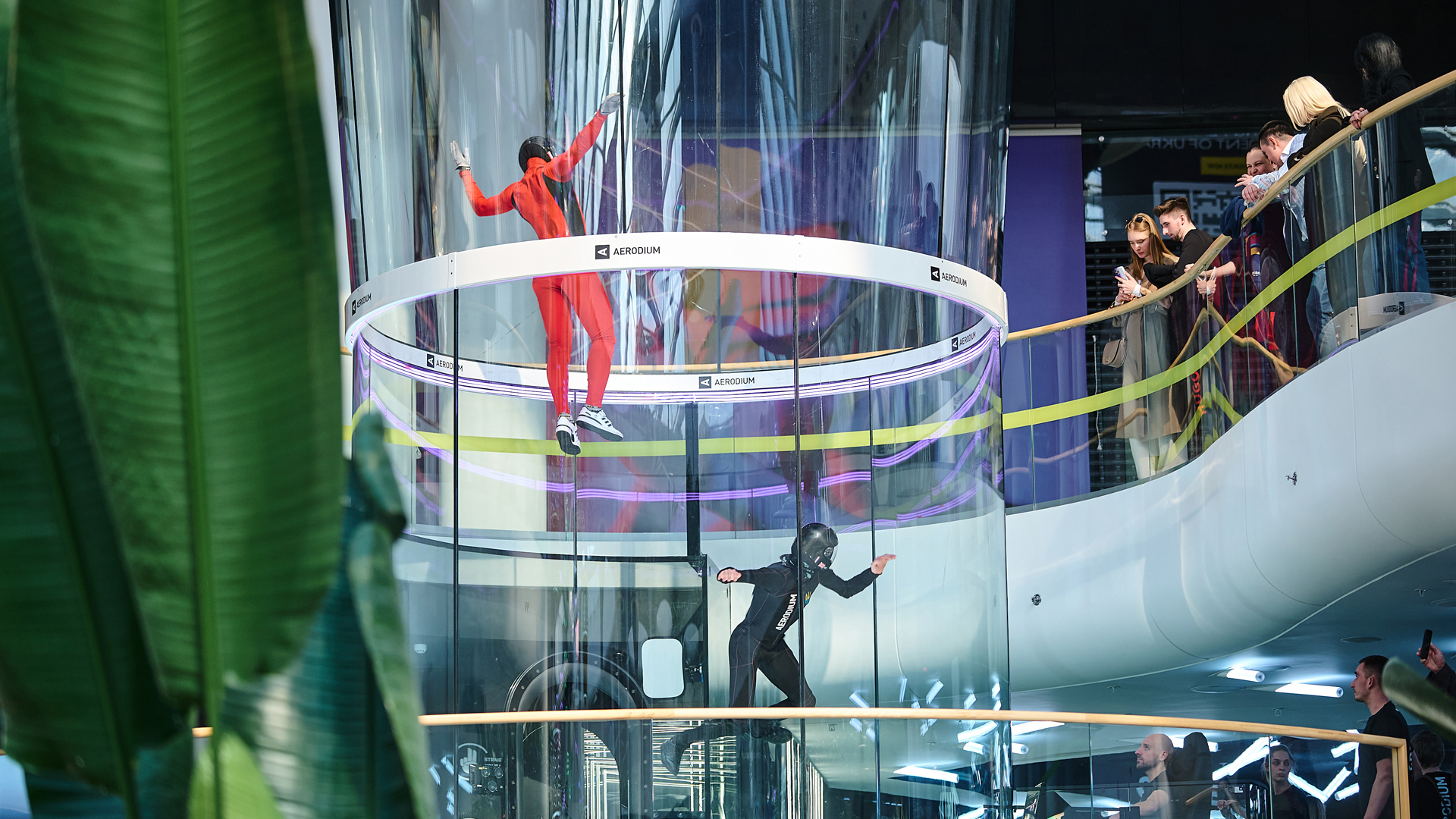
A particular focus is the development of family entertainment formats. The complex houses the Neopolis children’s entertainment center, go-karting, a roller-skating rink, bowling, an indoor skydiving simulator, and the Multiplex cinema.
Respublika Park Mall
How does the children’s entertainment space sustain interest in repeat visits?
Julia Shchaslyva: Neopolis is developing as a space where rides are just one part of a broader visitor experience. Its marketing strategy is built on the concept of the experience economy, where value is created by combining emotions, events, and different leisure formats.
Zones within the park can be transformed for themed events, shows, seasonal activities, and brand collaborations, and the space itself is organized so that visitors naturally create and share content on social media.
Respublika Park Mall
Yevhen Sazonov: The effectiveness of this model is confirmed by Neopolis’s results. In 2025, the park welcomed 765,000 visitors, with around 30% of its revenue coming from F&B and its birthday-party services.
Our key insight is very simple: people come back to places where there’s always a sense of something new. That’s why Neopolis operates on the principle of an ever-changing destination. We continually update our visitor scenarios, events, and content so that every visit to the park feels like a new experience.
Have events become a separate reason to visit the mall?
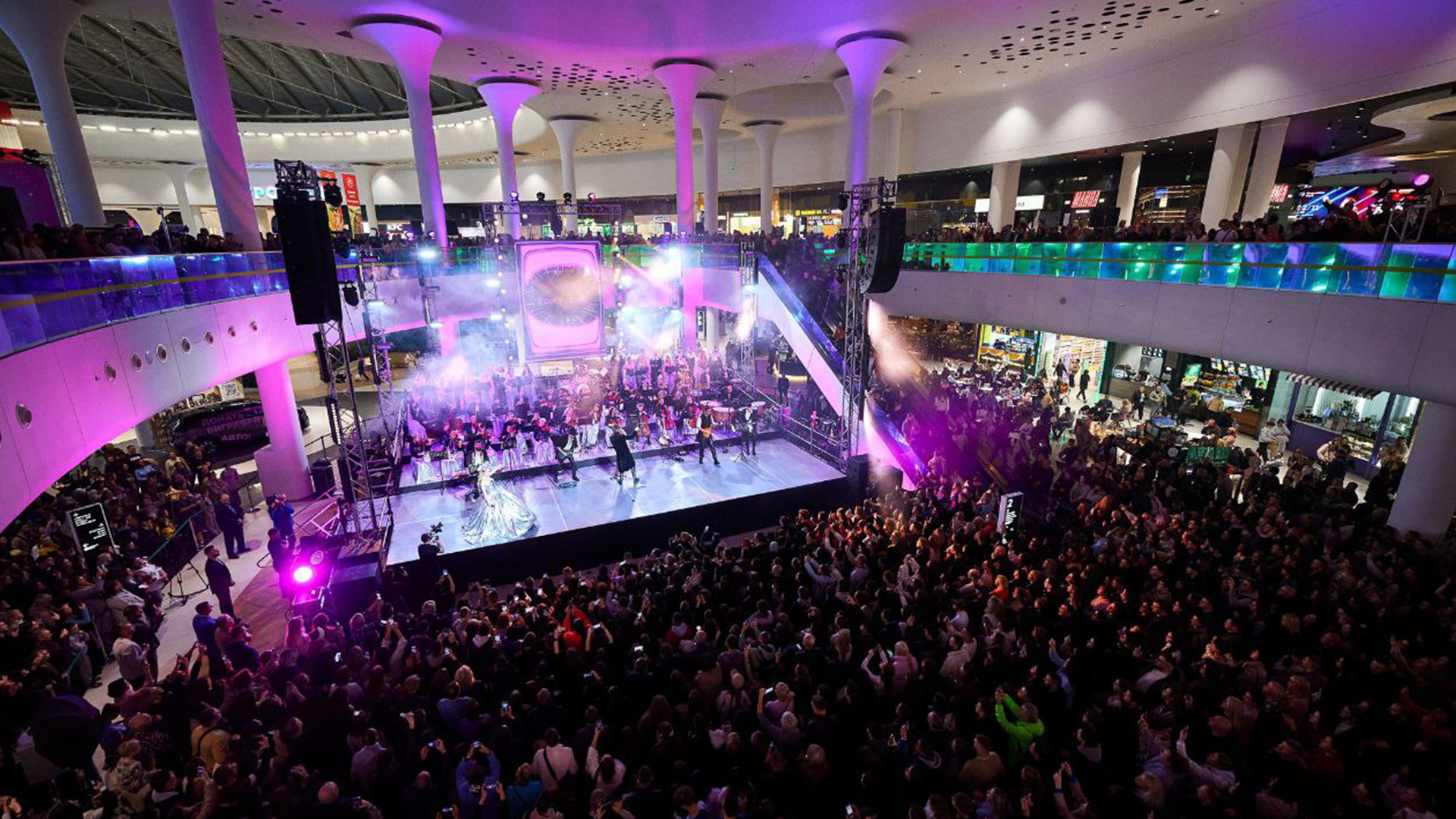
Julia Shchaslyva: In 2025, Respublika Park hosted more than 30 concerts, festivals, sporting, cultural, and charity events. The Rock Symphony Orchestra concert marking the mall’s fourth anniversary was one of the most attended – over the course of the day, the complex welcomed more than 130,000 guests.
The Rock Symphony Orchestra
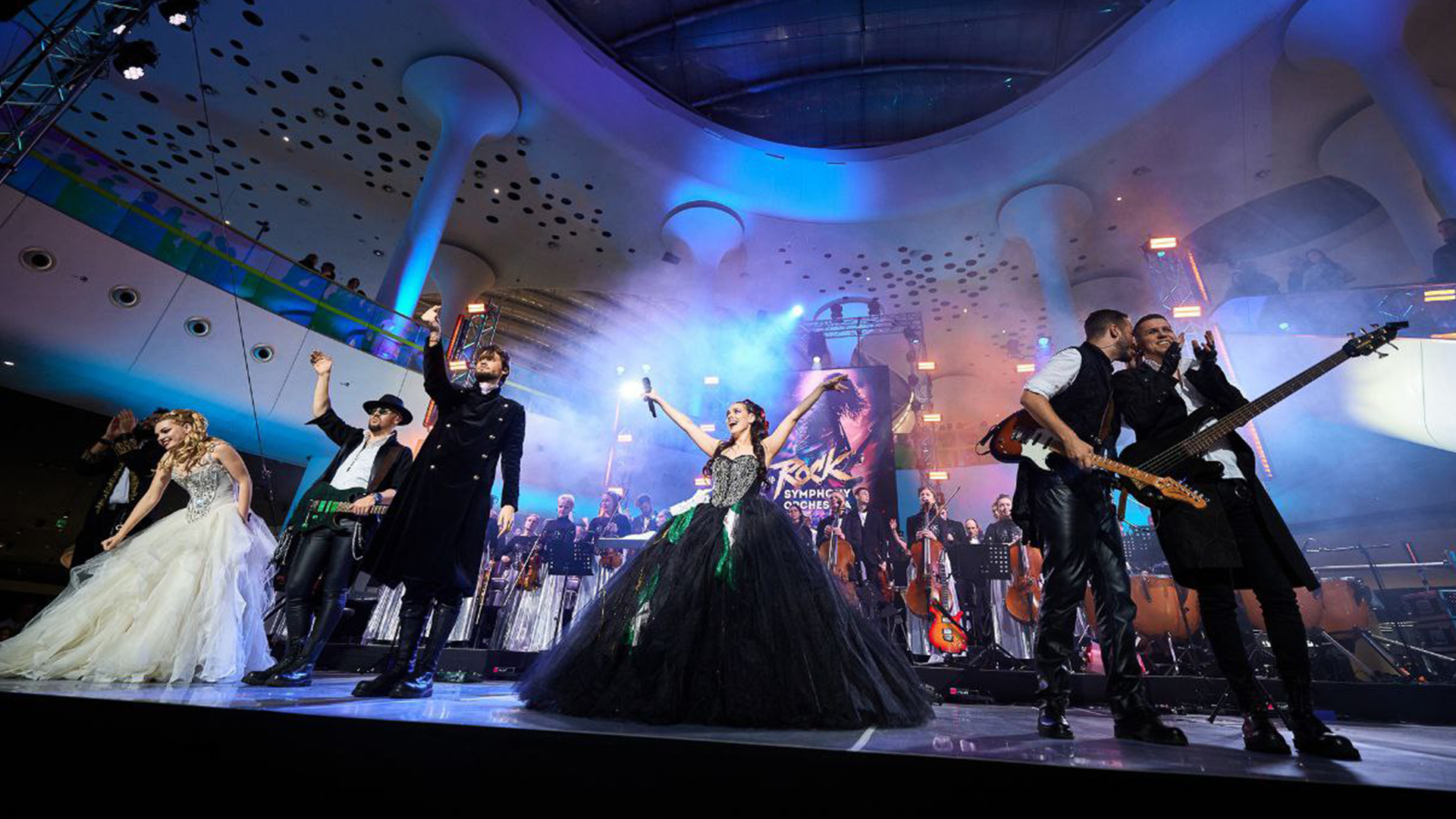
The Rock Symphony Orchestra
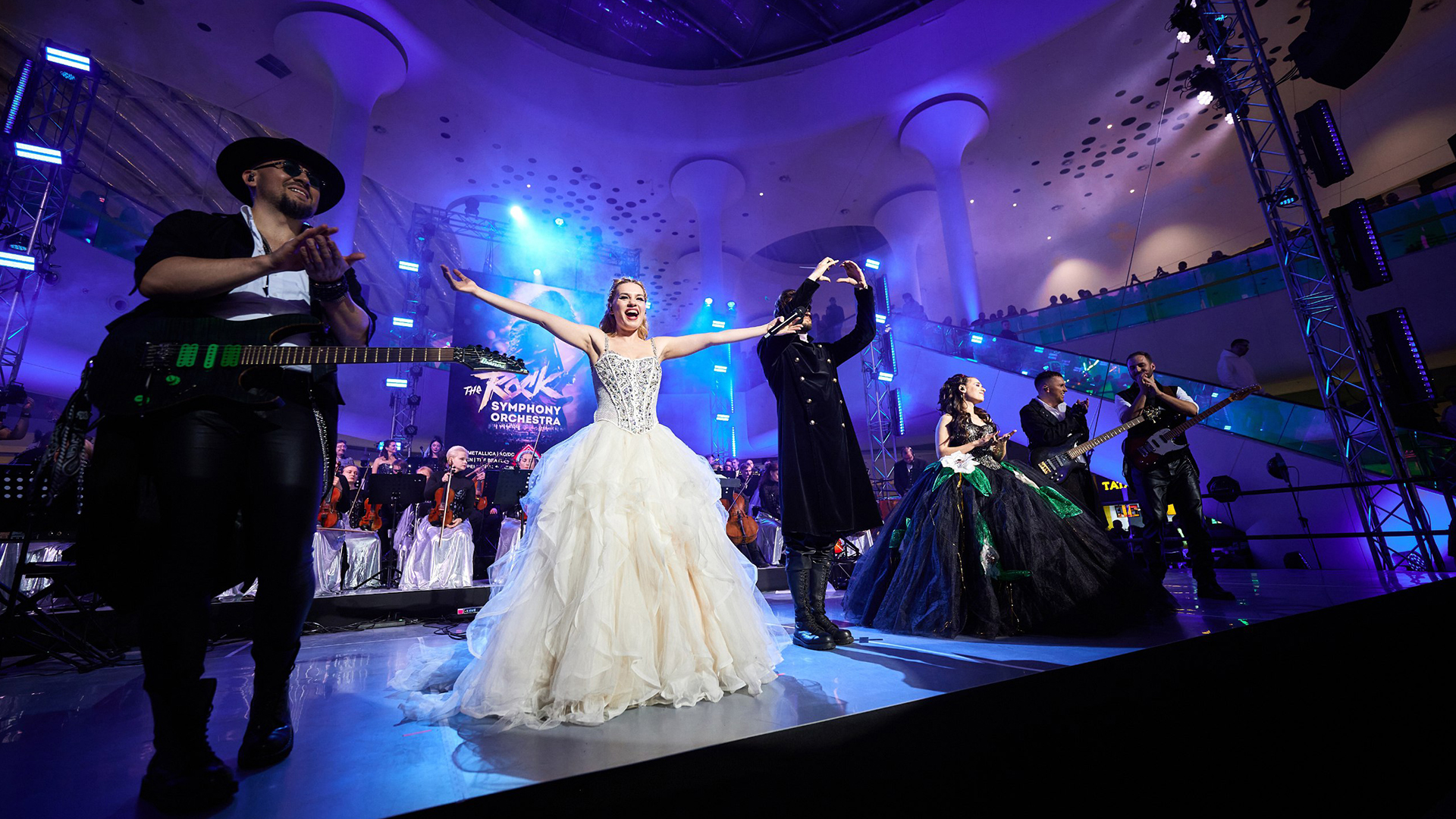
The Rock Symphony Orchestra
We are also developing our own Respublika Fest brand – themed markets that support Ukrainian craft producers. Community-engagement activities remain an important part of our strategy.
AN AUSTRIAN INVESTOR: A LONG-TERM BET ON UKRAINE
Who is behind the investment in Respublika Park?
Yevhen Sazonov: The key shareholder in Respublika Park, with a 75% stake, is the Austrian company Trafin Consulting und Entwicklungs GmbH. Its ultimate beneficial owner is Austrian entrepreneur Serhiy Tolstunov. The remaining 25% of Respublika Park belongs to Vitaliy Khomutynnik, founder of the Cascade Investment Fund.
Trafin Consulting und Entwicklungs GmbH was founded in Vienna in 2013 and operates in investment, development, and real-estate management across markets in Central and Eastern Europe. Serhiy Tolstunov is the owner of Trafin. His family has lived and worked in Austria for two generations now.
Serhiy Tolstunov’s group of companies invests and operates in real estate, implements investment projects, and operates in trade, IT, and consulting. It holds assets and stakes in companies in several countries. Besides Respublika Park, its portfolio includes the Kitz Galleria shopping complex in Austria, among other assets.
The group’s clients include international companies such as Samsung C&T Corporation (South Korea), Celebi (Turkey), Centerra Gold Inc (Canada), Kapsch TrafficCom AG and RWA Raiffeisen Ware Austria AG (Austria), Vitol Gas and Power B.V. (the Netherlands), ORLEN Lietuva (Lithuania) and others. The group has also worked with international financial institutions, including Raiffeisen Bank International AG, UniCredit Group, and N.M. Rothschild & Sons. Some of its investment projects have been insured by the Multilateral Investment Guarantee Agency (MIGA), part of the World Bank Group.
Respublika Park is one of Trafin’s most iconic projects.
The company chose Ukraine as a market for long-term investment even before the mall opened in November 2021.
How has Trafin’s investment logic changed since the start of the full-scale war?
Yevhen Sazonov: In 2022, like the whole of Ukrainian business, the project went through a period of significant turbulence. But the shareholder did not abandon the asset or halt its development.
Operations were stabilized, and by 2023 an active flow of visitors had already resumed. Today we’re seeing continued growth in foot traffic and tax payments, and we keep investing in infrastructure.
Why is investment in transport infrastructure also part of the long-term strategy?
Yevhen Sazonov: When the complex was designed, pedestrian and vehicle flows were calculated based on projected visitor numbers for Respublika Park. Actual traffic turned out to be higher than the initial estimates. Additional pressure comes from the active settlement and construction of the Respublika residential development. That’s why the owners decided to improve traffic organization around the mall.
Current and projected traffic flows were modeled by the municipal enterprise ‘Center for Road Traffic Organization.’ The project involves installing sensors to count and distribute traffic flows and implementing smart traffic-light cycle programs. The updated scheme is expected to reduce congestion, simplify entry and exit at the complex, and improve connections with the residential development.
Total investment amounts to around UAH 45 million. All the work is being financed by Respublika Park’s shareholders, with no city budget funds involved.
FROM CHARITY FUNDRAISING TO SYSTEMATIC VETERAN SUPPORT
Why has veteran support become one of Respublika Park’s priority social initiatives?
Julia Shchaslyva: We chose a long-term model of veteran support. Helping veterans with complex amputations requires significant resources and doesn’t end with a single operation.
That’s why our mission is to fund the purchase of implants and operations, while continually engaging visitors and the mall’s business partners in providing support and creating the conditions for veterans’ psychological and social recovery.
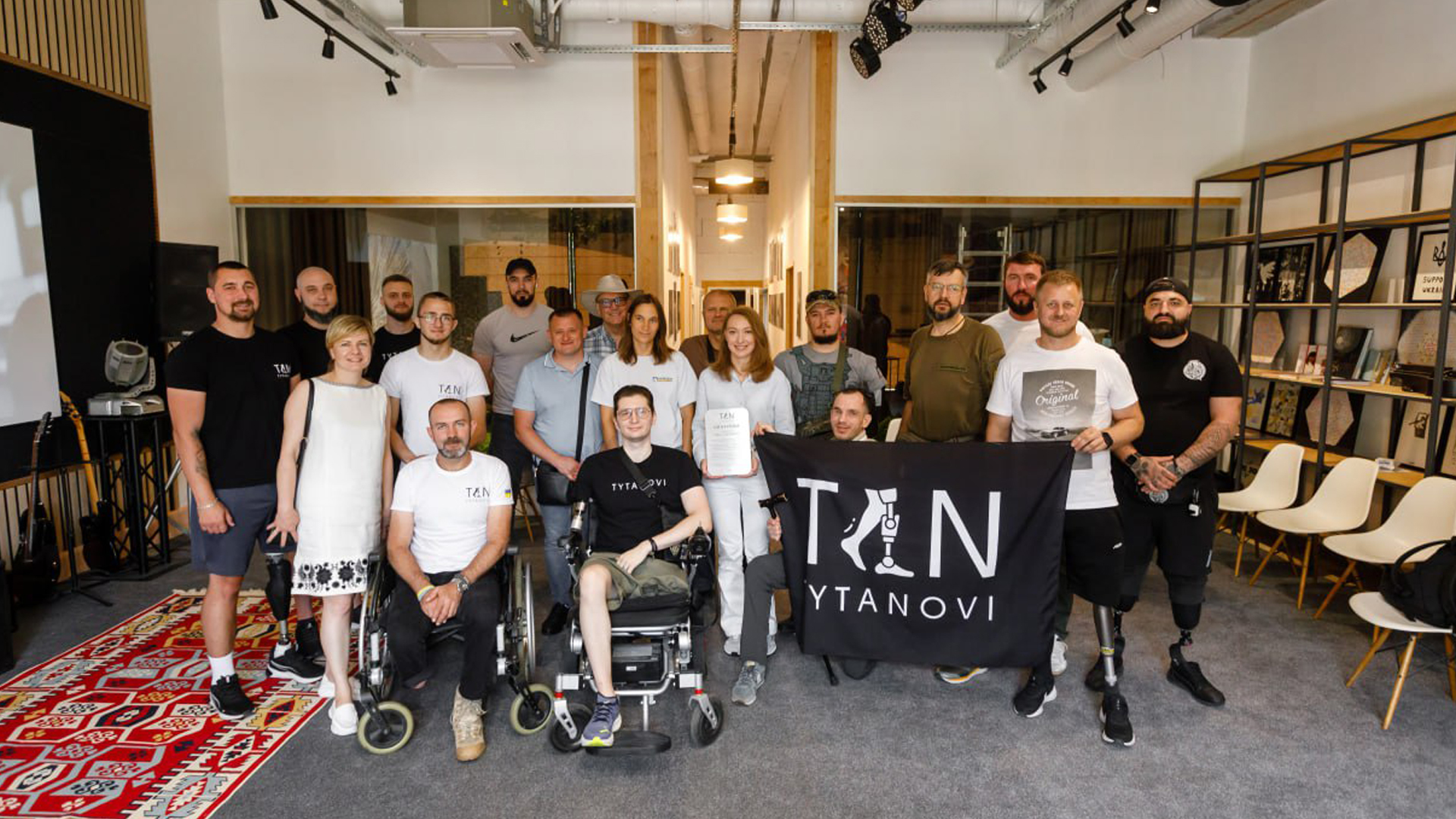
Respublika Park has become the general partner of the TYTANOVI charity foundation and a platform for large-scale charity events. Visitors, tenants, partners, and event participants all take part in the fundraising.
What results have you achieved?
Julia Shchaslyva: Since the start of the full-scale invasion, Respublika Park and its partners have directed more than UAH 80 million toward charity projects and the purchase of medical equipment. Events held on the mall’s premises have raised UAH 29 million for the TYTANOVI rehabilitation center. These funds have made it possible to finance osseointegration surgeries and subsequent rehabilitation for 23 veterans.
The mall’s annual contribution to funding operations and purchasing implants amounts to UAH 5 million.
What role does the TYTANOVI cultural and arts center play within the mall itself?
Julia Shchaslyva: The center opened at Respublika Park in July 2025. It is the first space in Ukraine dedicated to the psychological and social rehabilitation of amputee veterans to be established within a shopping and entertainment complex.
It houses a creative studio and hosts sports activities and art therapy, along with educational, integration, and social programs. The mall provided the space for the center on preferential terms. As of the end of 2025, 800 veterans had completed rehabilitation there. The center can accommodate up to 50 patients per day.
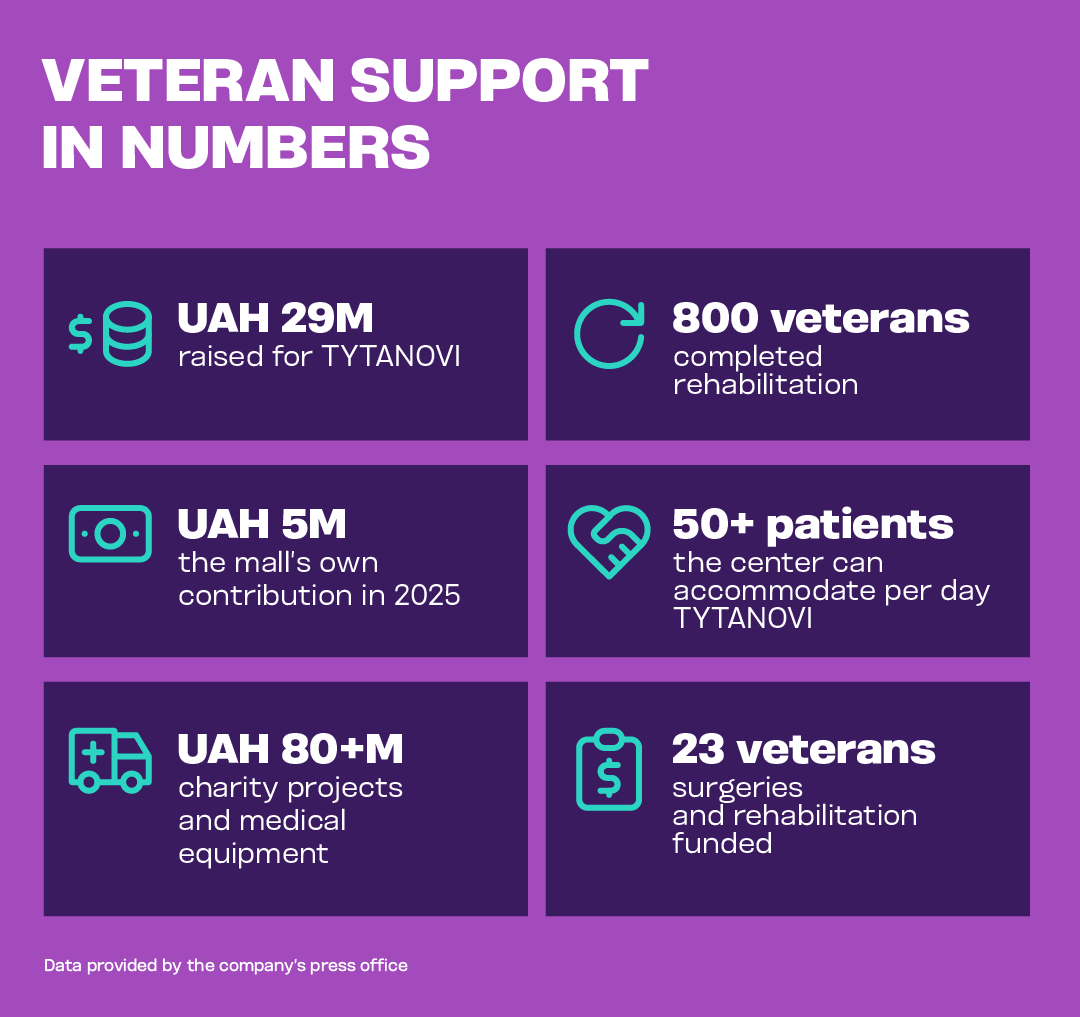
Veteran Support in Numbers
WHAT’S NEXT: NEW BRANDS, INFRASTRUCTURE AND CITY PROJECTS
What will be the main investment and operational priorities going forward?
Yevhen Sazonov: The main project for the second half of the year is the launch of the new traffic scheme around the mall. In our internal operations, we will continue investing in digitalization, upgrading engineering infrastructure, improving energy efficiency, and developing security systems.
On the commercial side, priorities remain increasing occupancy of leased space and the presence of global brands.
How do you see the next stage of Respublika Park’s development?
Julia Shchaslyva: Our main task is to continually create new value for visitors, tenants, and Kyiv, while remaining a place people visit not just to shop, but also to enjoy emotions, experiences, and quality leisure.
Yevhen Sazonov: For us, the development of each area must strengthen the long-term resilience of the whole asset. That means working in partnership with tenants, reinvesting in infrastructure, and creating value not just for the mall, but for the city as well.