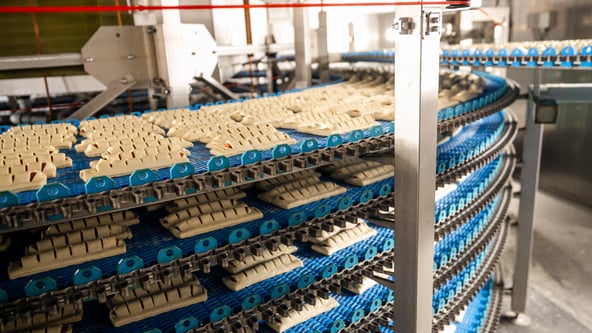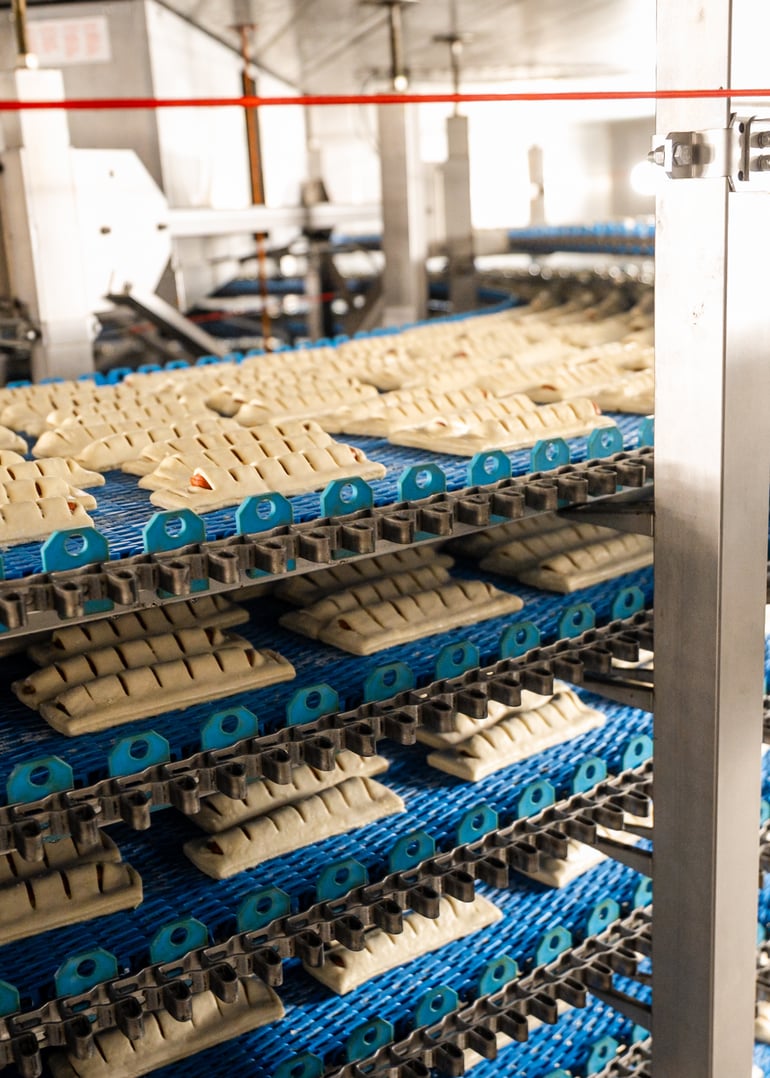
A bakery plant has been operating in the Chernihiv region since 2005 under the Fornetti brand. After the Ukrainian team left the international Fornetti group, it went on developing the plant as an independent business.
Today it is one of two production sites of BFI – Bakery Food Investment, a company legally incorporated in 2023.
The plant is part of a broader development model that Oleh Mishchenko is building through JSC ʼPhenomenʼ, a Ukrainian venture corporate investment fund. Alongside BFI’s two production sites, the fund’s portfolio includes AQUA Myrhorod, Loven Bistro and AI Food, as well as production hubs that bring partner projects together. Phenomen enters these projects with capital and scales up businesses that are already running, adding operational expertise, technology solutions, logistics, procurement, and management resources.
Oleh Mishchenko explains how he is bringing these projects together into a single ecosystem through Phenomen.
Company profile
JSC ʼPhenomenʼ is a Ukrainian venture investment fund that invests in businesses with scaling potential in manufacturing, Food & FMCG (fast-moving consumer goods), infrastructure and transport, technology, finance, and real estate.
The fund combines capital, expertise, and operational resources to grow businesses and create long-term value. Its owner and founder is Oleh Leonidovych Mishchenko. As of June 30, 2026, Phenomen’s assets were valued at more than UAH 452 million (company data). The fund’s structure includes its own IT company, a logistics network, legal and marketing agencies, and a consulting and analytics group.
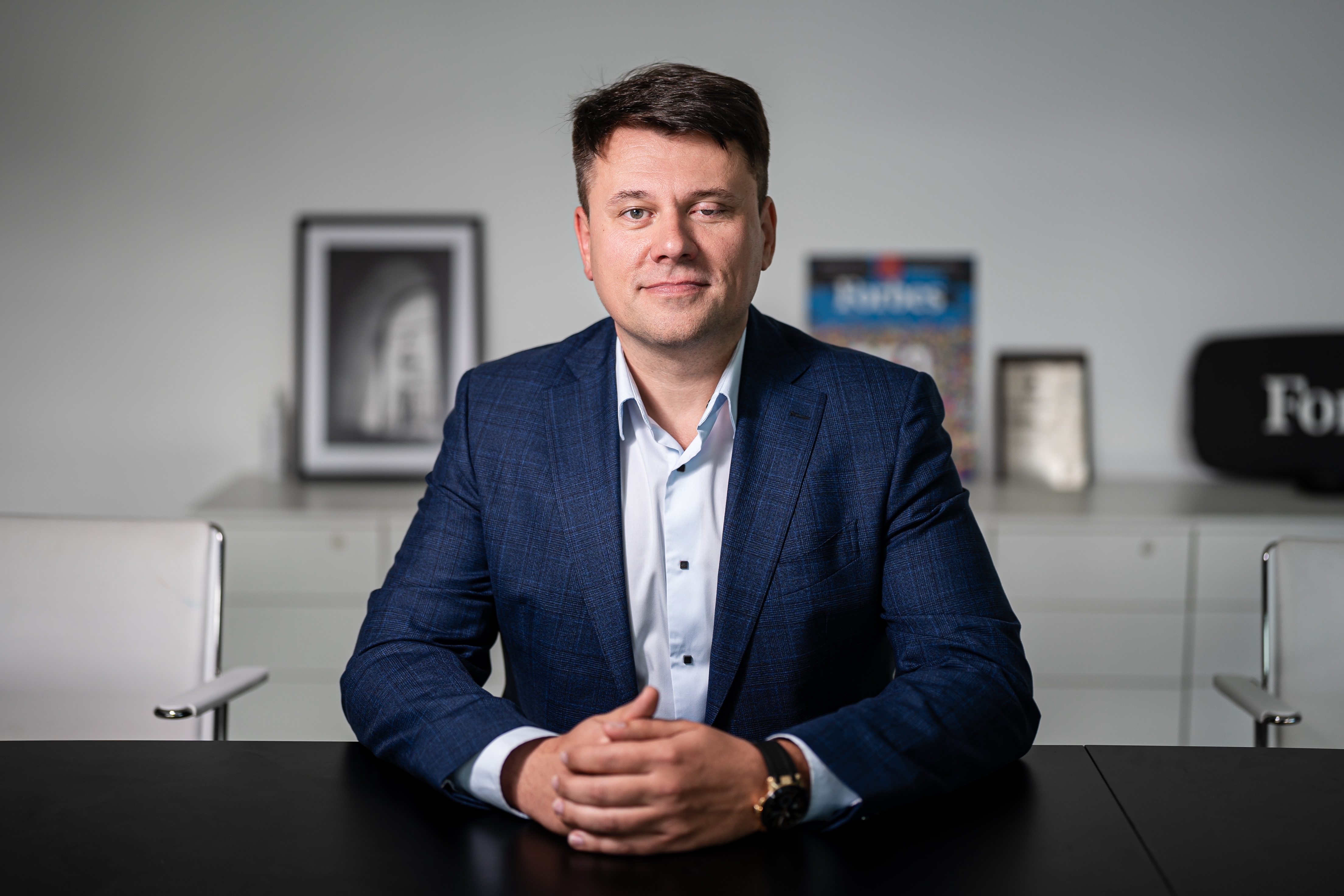
Oleh Mishchenko, owner of JSC “Phenomen”, a Ukrainian venture corporate investment fund
Scaling what already works
In 2025, you told Forbes BrandVoice about a single plant with two lines. Today BFI has several strong business lines. At what point did you start building an ecosystem?
The war forced us to rethink our approach to growth. We used to build our own production capacity; now we look for strong production facilities that we can scale together with their owners.
Through the Phenomen fund, we invest in partner businesses and add what they need to grow: operational expertise, technology, logistics, infrastructure, and management resources. In other words, we do not build everything from scratch — we strengthen businesses that already work.
How do you decide which asset to take under management and which not to?
We assess four things: the product, the production economics, the state of the technology, and export potential. Then we model the company’s structure, OPEX, and CAPEX. We actively use both debt and equity financing. Over the past two years, across the projects we work with, we have cut operating costs by 35% through in-house IT solutions and production automation.
So we are looking for manufacturers with substantial room to grow. We currently have seven such projects in the works.
Partnership instead of building from scratch
Phenomen has another production site in Tiachiv, Zakarpattia. Your partnership in the confectionery business is one example of this model. How does it work in practice?
Phenomen has built a production hub in Tiachiv, Zakarpattia, where we bring together several lines — confectionery, freeze-drying, sweets and natural snacks. One of the hub’s residents is a company that has been on the market for more than 20 years, with distinctive products — croissants, confectionery, muffins — and works with well-known European businesses as well as with Ukrainian retail. Phenomen takes on the technology side of optimizing business processes: logistics, automation and administrative costs. At the same time, this model provides additional resilience to wartime risks.
Another resident of the fund is a Turkish manufacturer that sells around 196 products in 28 countries and already has established international demand for its confectionery.
Phenomen’s team has modeled relocating that production to Ukraine: by its estimate, moving the capacity could raise the profitability of the business by 28%.
The next line we are developing within this model is freeze-dried products made from Ukrainian raw materials. Freeze-drying has great potential for Ukraine: this makes it possible to create products with high added value, a long shelf life, and strong export potential. We are also developing a partnership in natural snacks.
What were the financial results of the fund’s production projects for 2025, and what had the biggest impact on them?
Around UAH 2 billion in combined revenue — 34% more than in 2024. And that is with roughly four months spent working through power outages, which affected sales in certain categories.
Modernizing BFI and new categories
What changed at the plant after the move to the new BFI model?
We replaced obsolete lines, reduced the human factor, and added products that do not need to be finished in the oven at the point of sale. We are developing a fresh bread zone format in retail chains. We also have an R&D center that works continuously on new products.
What kind of products, for example?
Kukurumba, for instance — a healthy snack. Everyone loves corn, and now you can eat it all year round.
In parallel, you began developing industrial croissant production. What is distinctive about the technology?
A croissant is a bulky, delicate product that is difficult to store and transport. We use FTO technology: frozen, the product stands about 2 cm high instead of the 6 cm it reaches after baking. That allows us to use warehouse space far more efficiently and transport larger volumes — an approach unique to Ukraine.
Loven: from the plant to the home kitchen
You have started going direct to the end consumer with Loven — products to be finished at home, sold through the refrigerated cabinets of retail chains. Why did you decide to enter this format, and what turned out to be the hardest part?
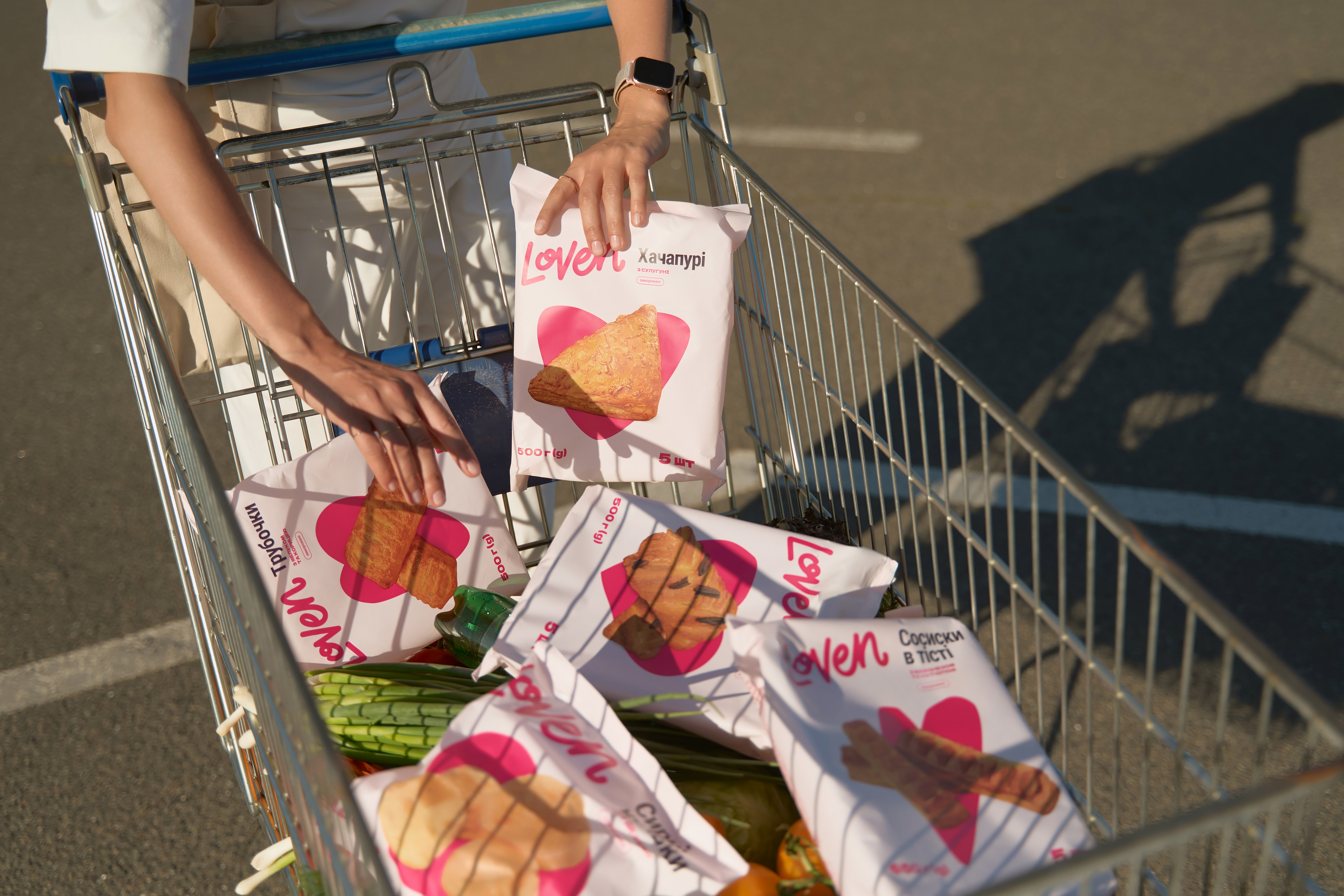
We created compact packaging under the Loven brand for sale in retailers’ refrigerated cabinets. The dough is complex and hard to reproduce at home with the same quality, and once baked, our product tastes freshly made.
The greatest difficulty turned out to be logistics rather than the product. Not everyone can work through a single distribution center. The producer has to find its own way to deliver store by store, and that process is hard to automate. Every day there is an element of manual management left, and it reduces efficiency.
The prepared-meals facility, Loven Bistro and AI Food
Tell us about the prepared-meals facility and the bistro format. Why did the company decide to develop this line?
One of our projects is a culinary facility producing ready meals using blast freezing. We want to reduce the amount of human involvement in the kitchen at home: the product only needs to be reheated, not cooked from scratch.
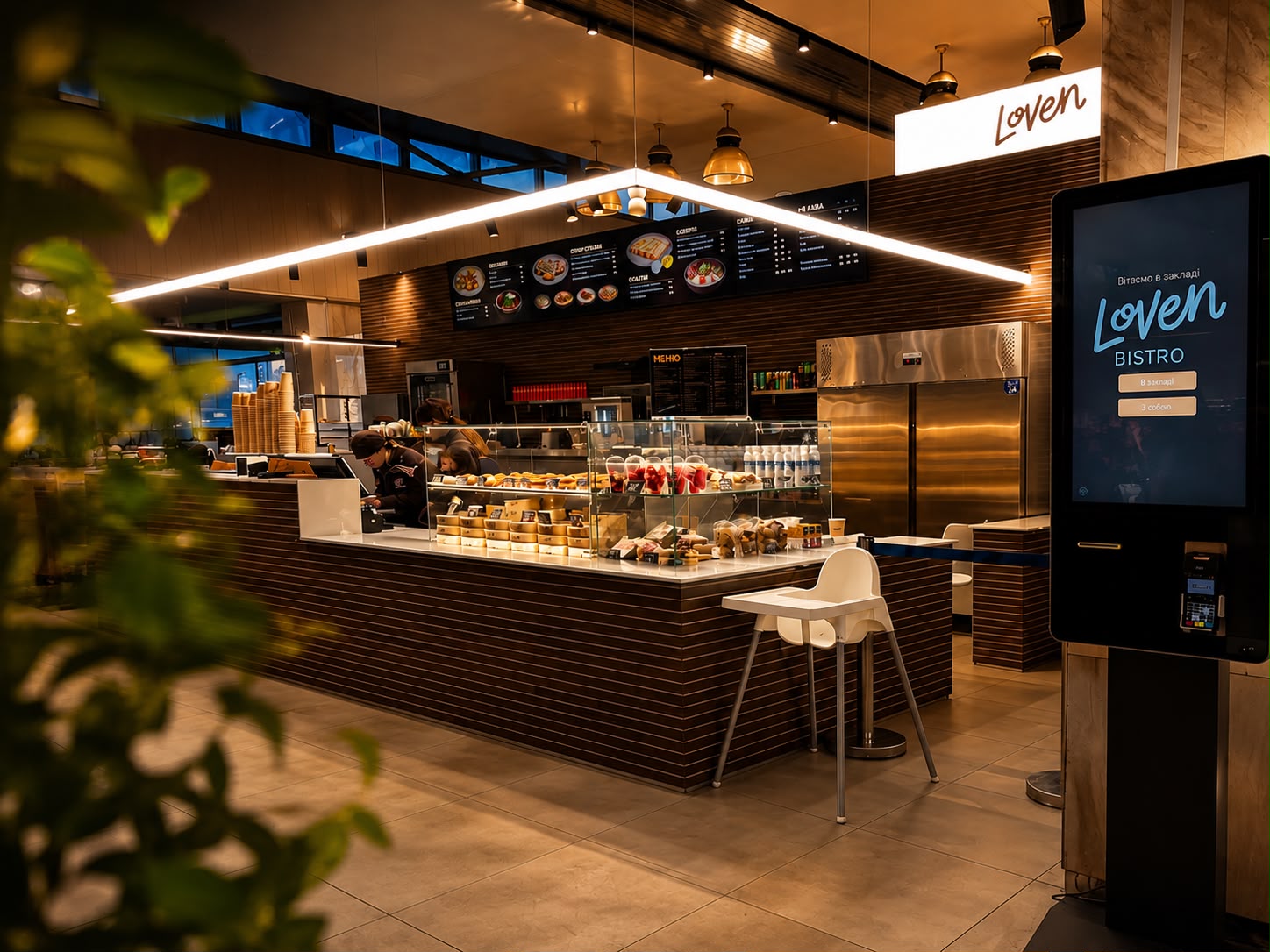
We built the Loven Bistro format on the same technology — we currently have three locations, one already open and two more launching. Blast freezing preserves the quality of the dish, so there is no time between defrosting and serving for it to lose its flavor.
How does Loven Bistro differ from a classic foodservice format, and what makes it scalable?
Our priority is safety and quality. In classic foodservice, each location effectively has its own kitchen, staff, and cooking standards. Our technology works differently. In one place, we buy and test the raw materials and control quality at the plant, and then we supply the finished product to different points of sale. That is why we get the same quality at every location.
At the same time, this format needs many times fewer people and far less space than a classic foodservice outlet: we can offer the full menu in 80 square meters with two or three people.
AI Food vending works without a sales assistant. How suitable is that model for scaling?
We took an ordinary refrigerator costing UAH 40,000 and installed a product accounting system in it based on artificial intelligence and RFID tags. It recognizes the person and automatically deducts whatever they take.
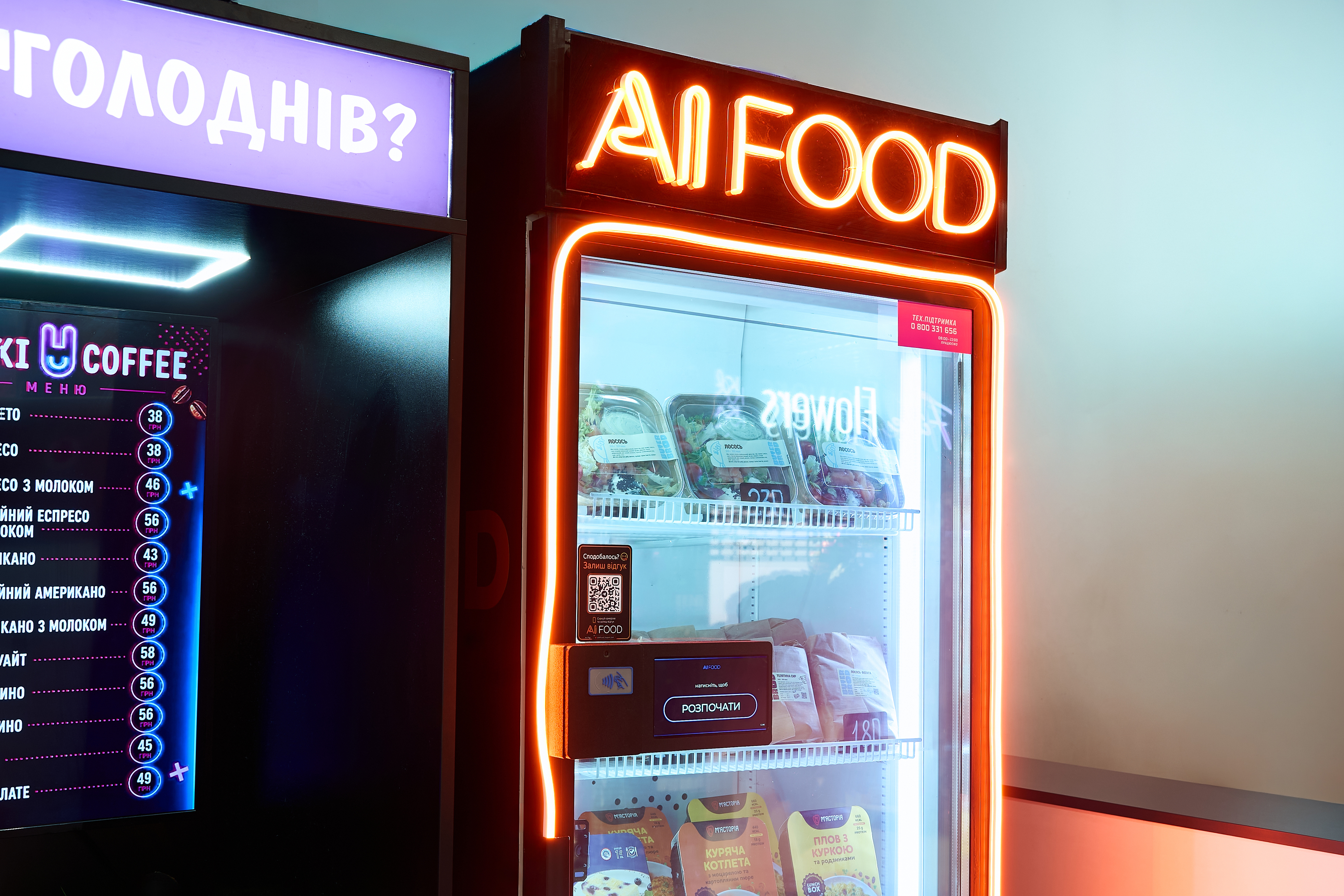
A classic vending machine costs between UAH 364,000 and UAH 572,000. Ours is an ordinary refrigerator, so the cost of access to a point of sale falls almost ninefold. That lets us install these points in far more locations and tailor the assortment to the specific place: more water and drinks at a railway station, dairy and eggs in a residential building.
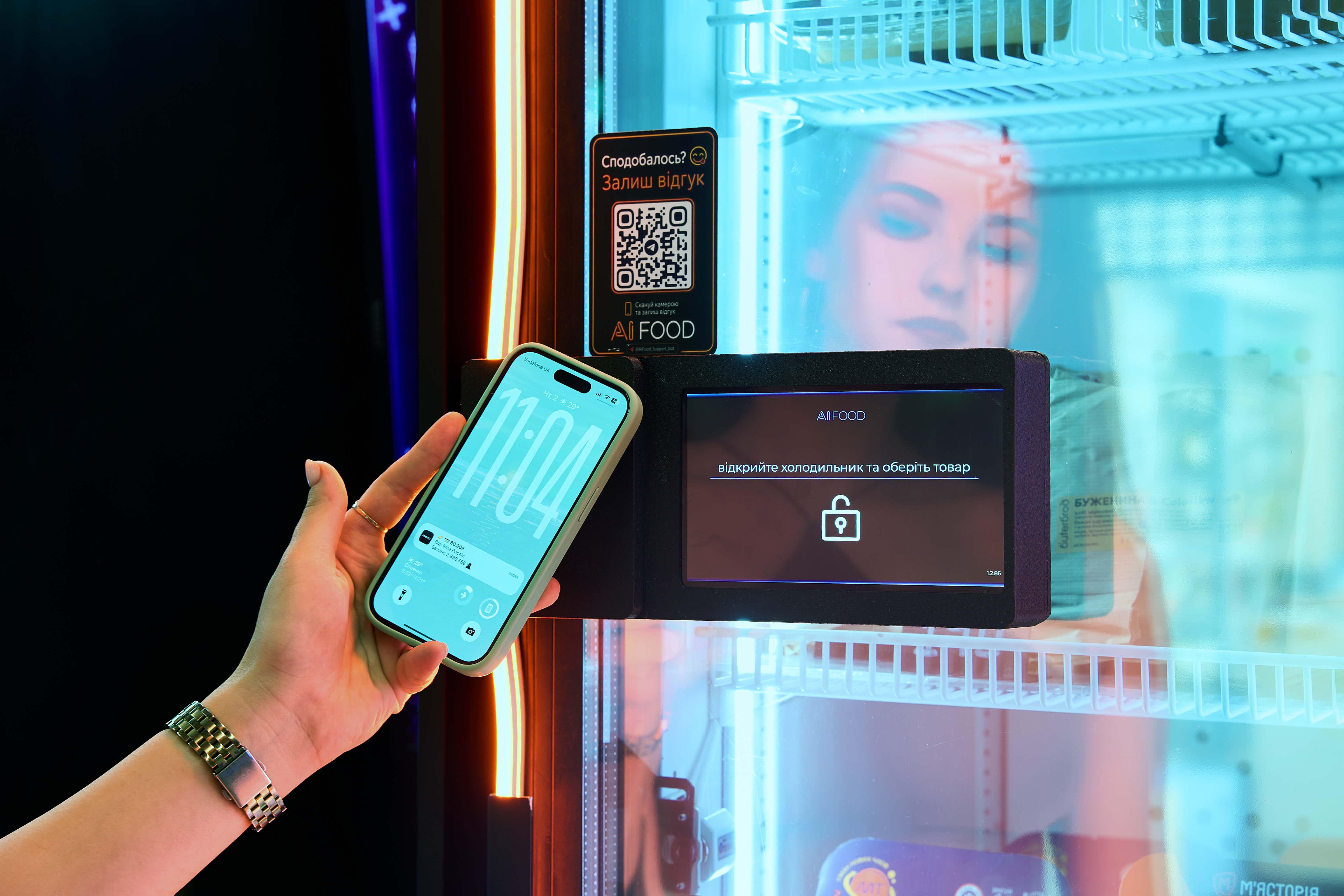
In the future, this technology will make it possible for every building to have the essentials close at hand. We received many requests for catering at offices and production sites, so we developed a contactless solution for accessing ready meals that automates accounting and eliminates the need for manual processing.
AQUA Myrhorod: reviving a mothballed plant and finding a new niche
Phenomen has another unusual asset — the Aqua Myrhorod plant. What did you see in it, and how did you manage to restart production?
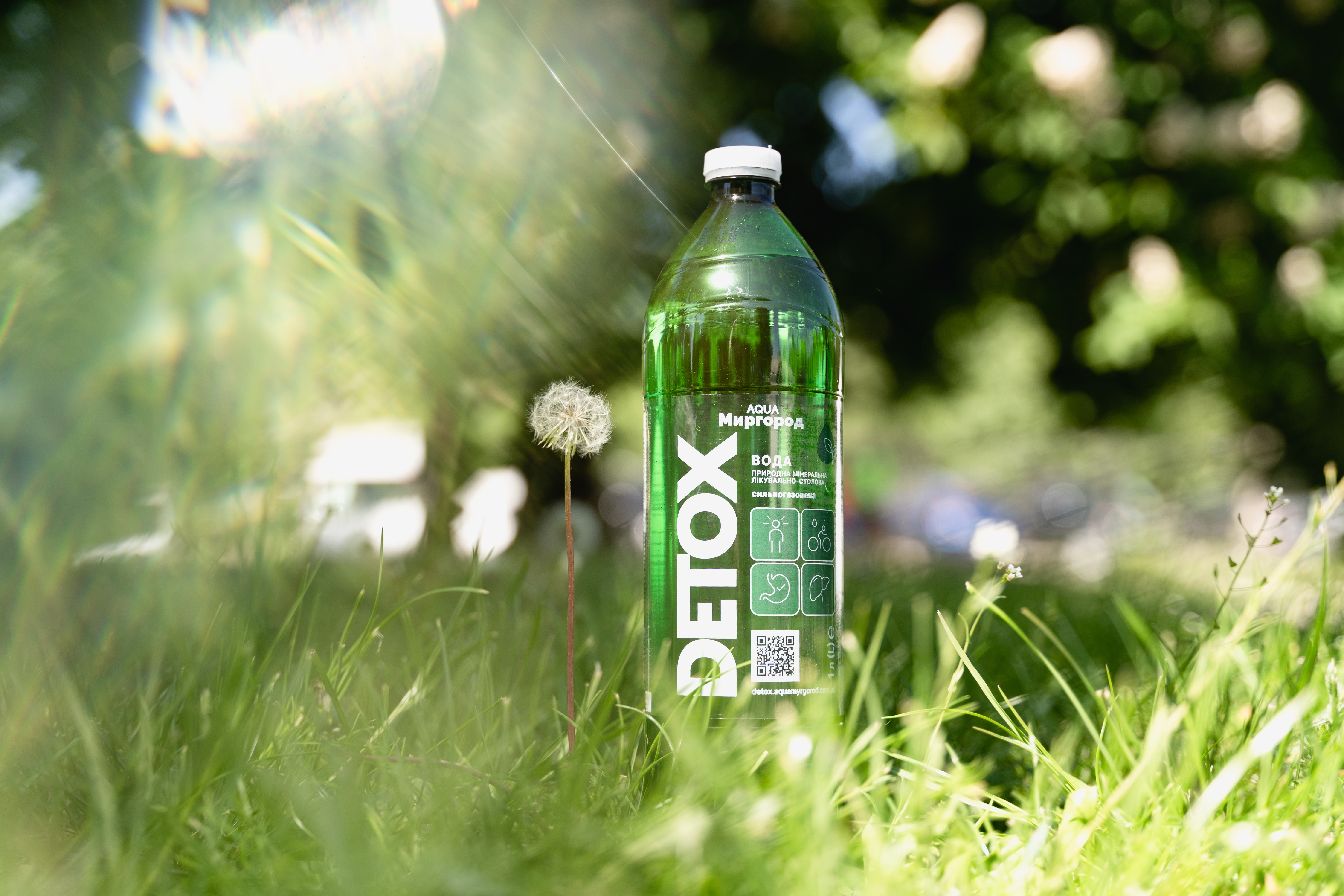
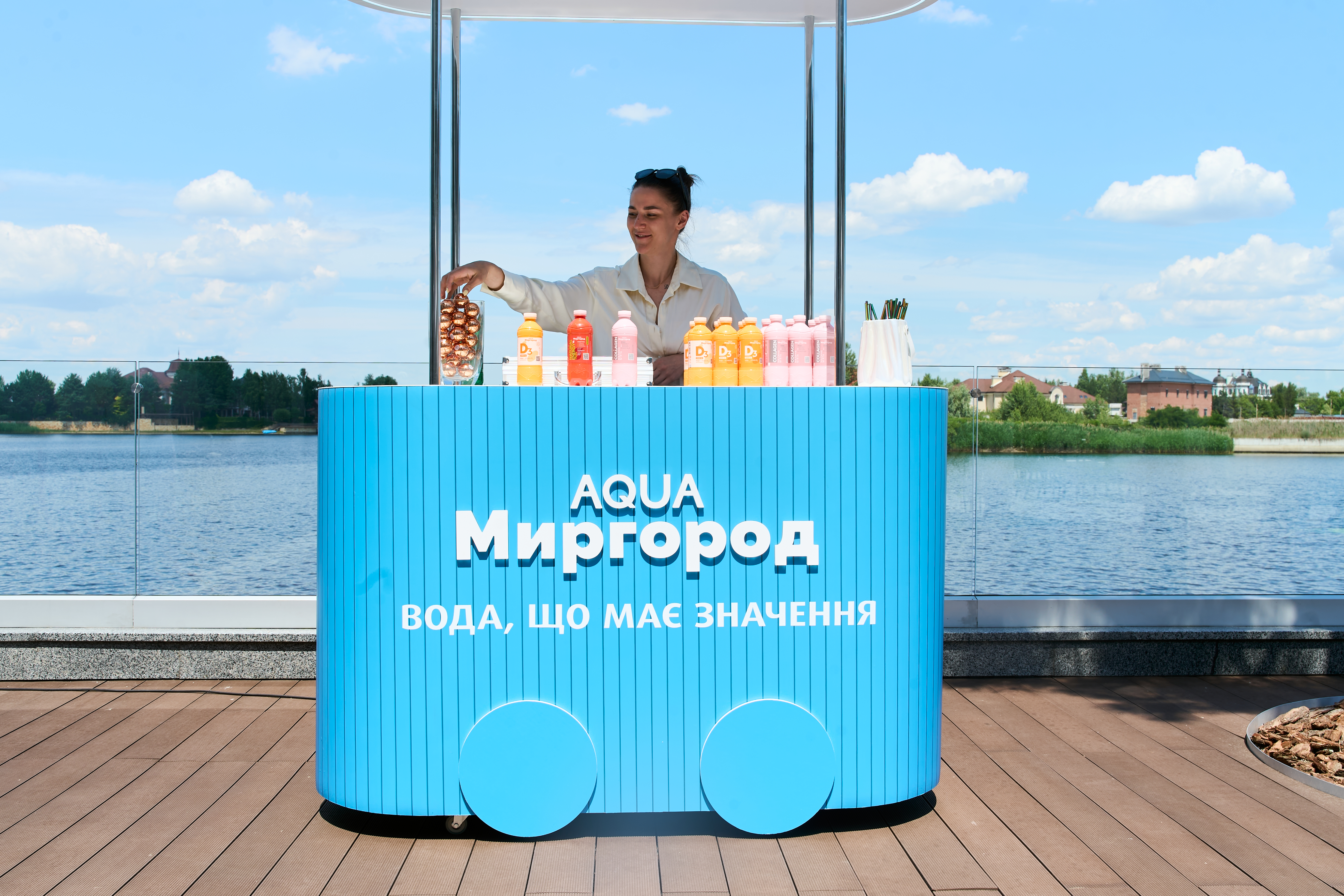
We treat brands with a history as an asset. What makes this plant unique is its 695-meter-deep well. It was drilled in search of gas, but the drilling team hit water instead. The plant itself had been mothballed since the 1990s. We brought it back in 2023. We saw an open niche and created the AQUA Myrhorod DETOX natural mineral water brand as the core product. We have also started producing a line of functional waters — water with vitamin D3, for example.
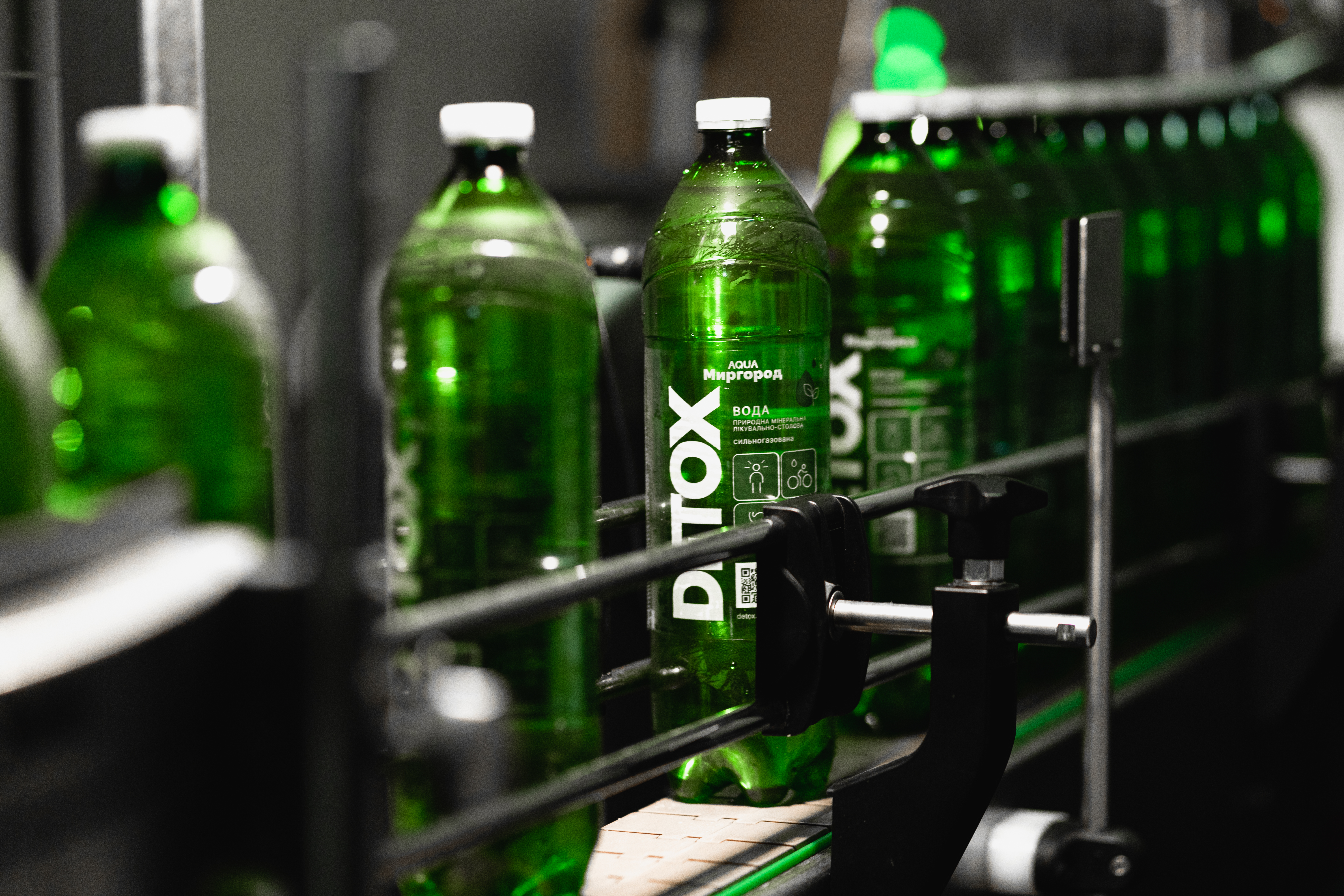
We are now completing the reconstruction of the plant: we have finished an extension and are installing a new line that will be four times the size of the current production area. The equipment is entirely Ukrainian-made, apart from the caps — we buy those in Switzerland, because they are not manufactured in Ukraine.
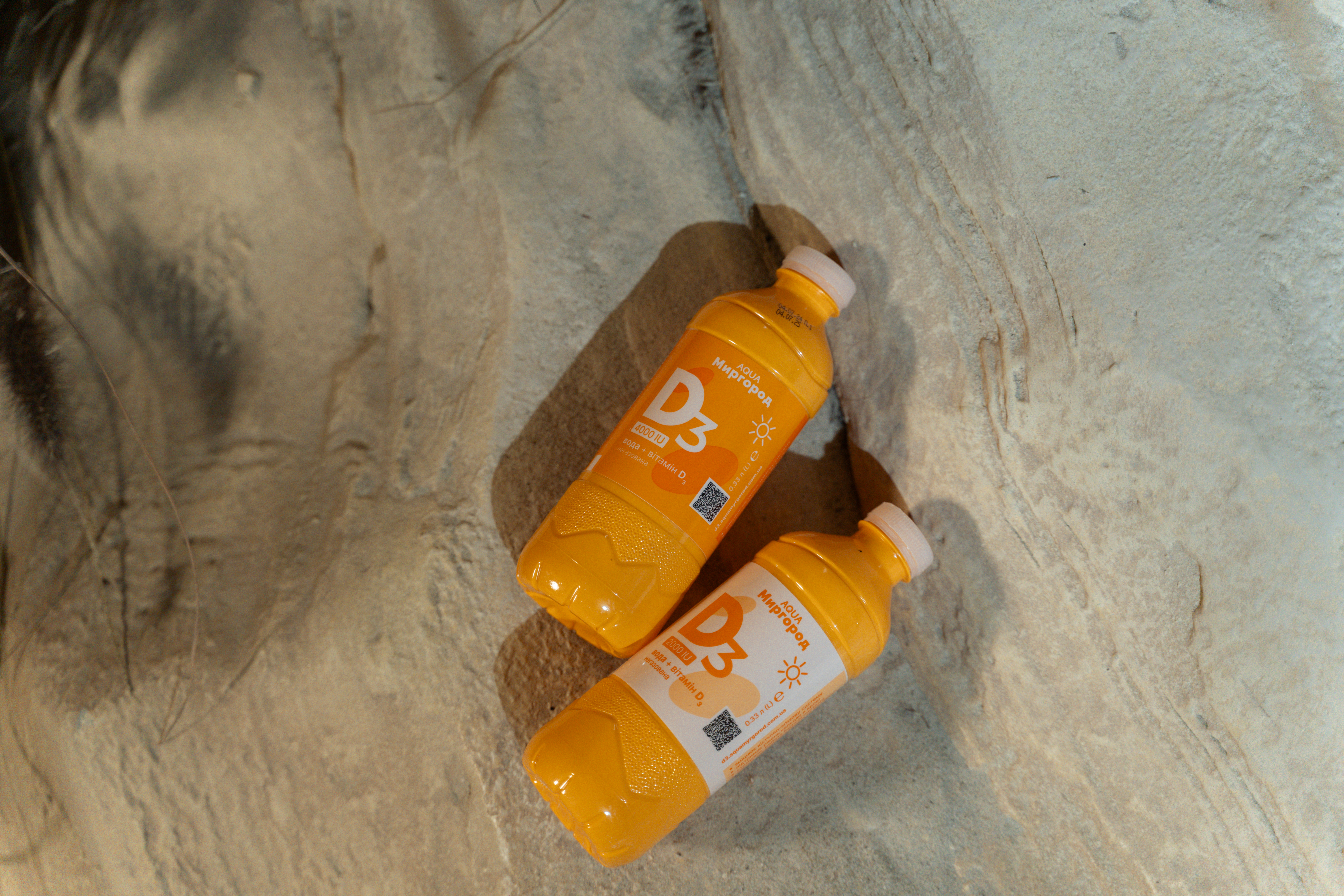

From risk geography to a new production model
How has competition for production space and staff changed in Zakarpattia?
The war dictates new rules: production has to be in a region with a lower risk of strikes. On top of that, in Zakarpattia we received active support from the regional authorities and local communities. For instance, issues that were resolved in Zakarpattia in six months are ones we cannot resolve in Kyiv in five years.
Competition for staff here is primarily not about poaching locals but about bringing people back from abroad. Ninety percent of the people who come to work shifts for us are young. We also work with them through grant-funded training programs.
Zakarpattia is an answer to the risk of strikes. And how do you approach energy autonomy in production? Has full autonomy already become the standard for new sites, or does the decision depend on the specific facility?
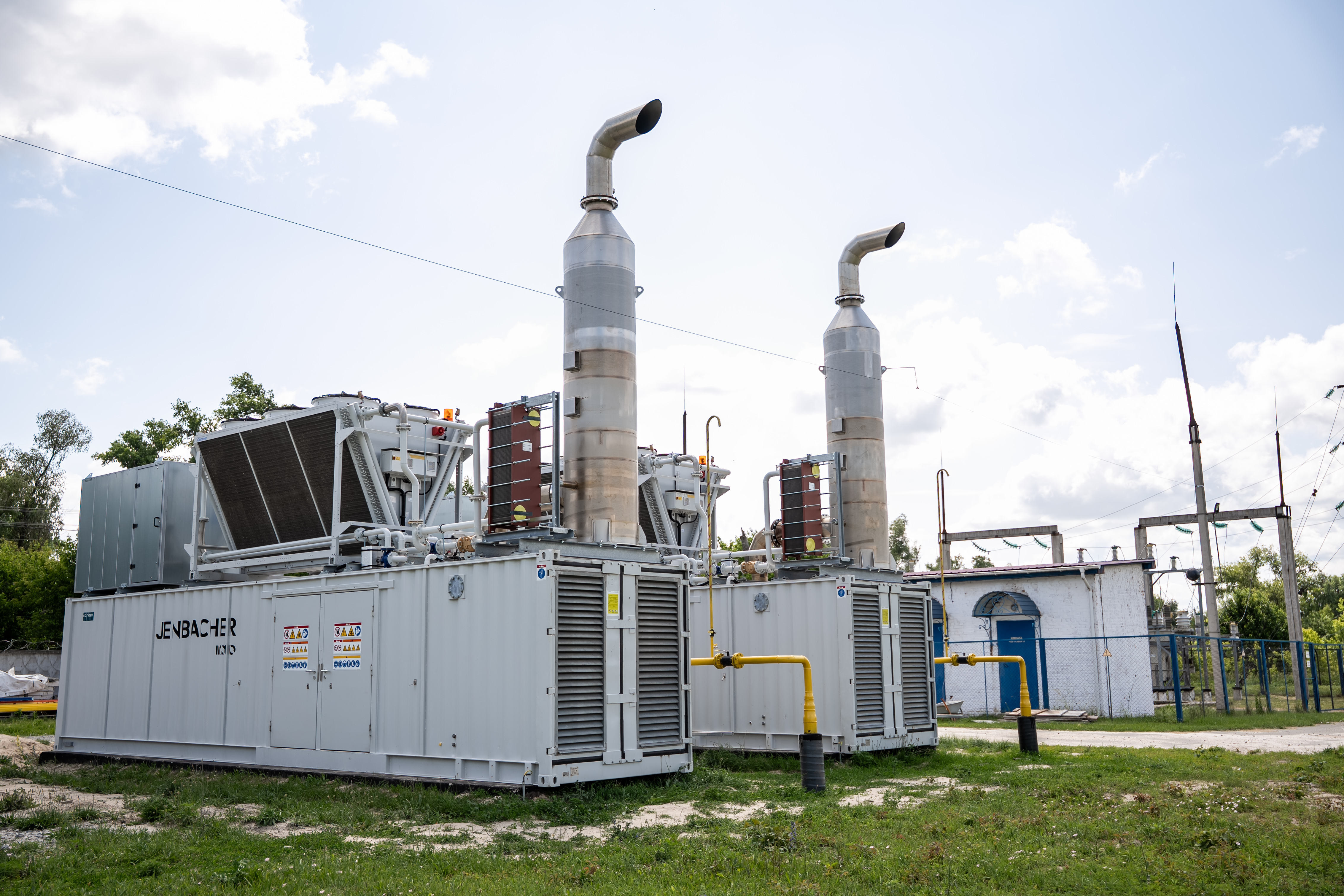
We assess it separately for each production site, depending on the region, the technology, and the risks. But after the experience of the outages, energy independence has become one of the key conditions for growth: production has to be capable of operating even with no electricity from the grid.
The outages also affected the product itself. Some retail chains dropped frozen products, having calculated that running diesel generators for refrigerators and ovens costs more than working without them. At the same time, products that do not need to be finished in the oven at the chain or the point of sale became more sought-after. So right now we are focusing on increasing the supply of exactly those products.
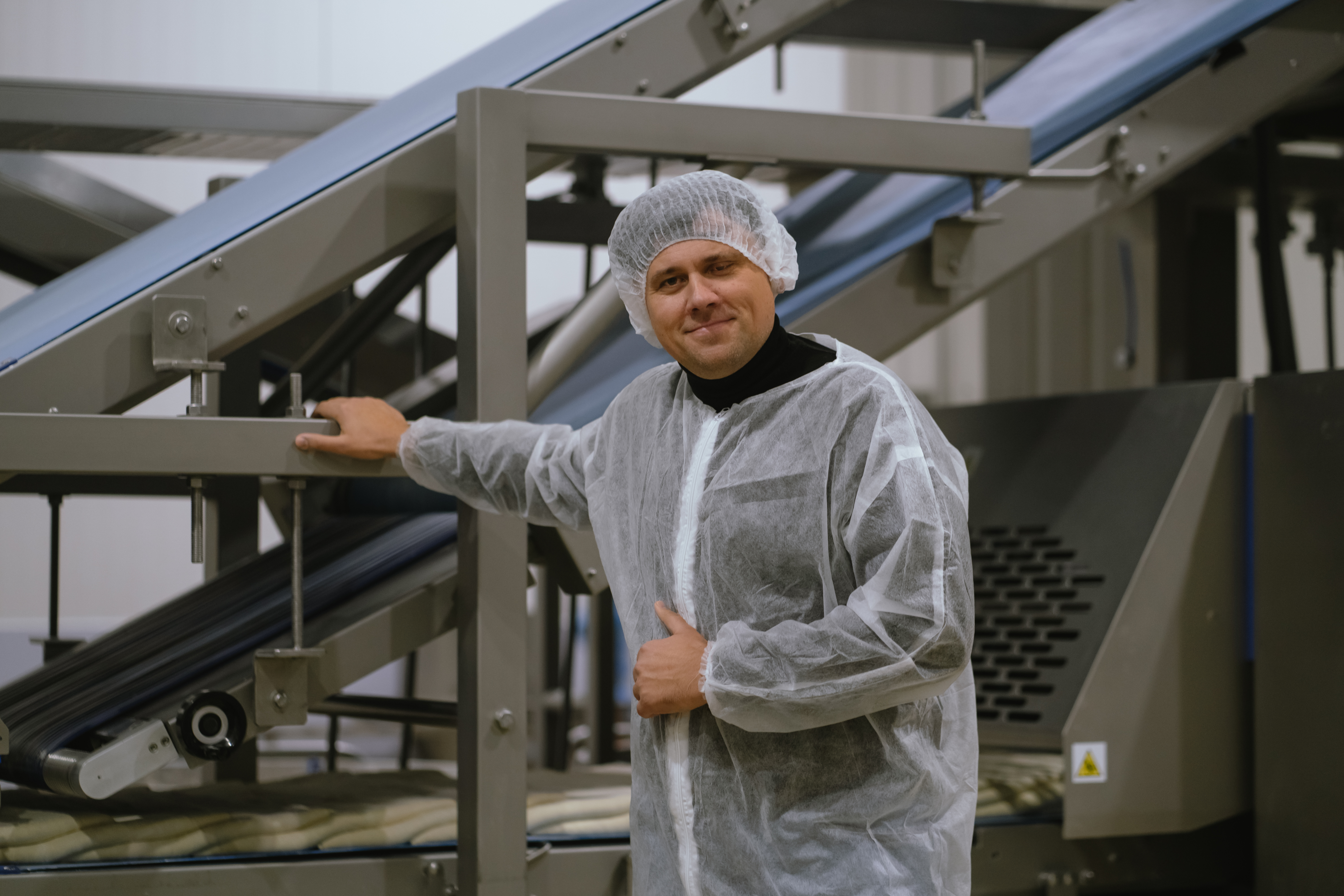
Oleh Mishchenko, owner of JSC “Phenomen”, a Ukrainian venture corporate investment fund
What will be the next step for Phenomen, and what can you announce?
We are planning two more projects for the fourth quarter of this year, which we are not announcing publicly yet. The next step is to bring in entrepreneurs with strong craft products and scale up production together. The priority is export markets, where there are far more sales channels.
So Phenomen is gradually shifting from developing its own assets to building a network of partner businesses?
We want to be a partner that scales and strengthens a business. That is exactly why what matters to Phenomen is not the number of companies in the portfolio but how much they can strengthen one another. That is how an ecosystem gradually takes shape — one in which capital does not work separately from the business but together with it.