The Ukrainian microfinance market, which was experiencing rapid growth just a few years ago, is now undergoing a profound transformation.
Since the outbreak of the full-scale war, the number of licensed lending institutions has more than halved, according to Opendatabot. Another indicator of change is the list of major financial companies compiled by the National Bank of Ukraine. It includes 53 institutions, which the regulator holds to higher standards of corporate governance, reporting transparency, and social responsibility.
Four companies within the Ukrainian branch of Aventus Group have also achieved this status – a strong signal for a market that is still overcoming reputational stereotypes. Aventus Group’s story is something of an exception to the broader trend. While some players are exiting the sector, the international fintech holding is not only maintaining its presence in Ukraine but also scaling up.
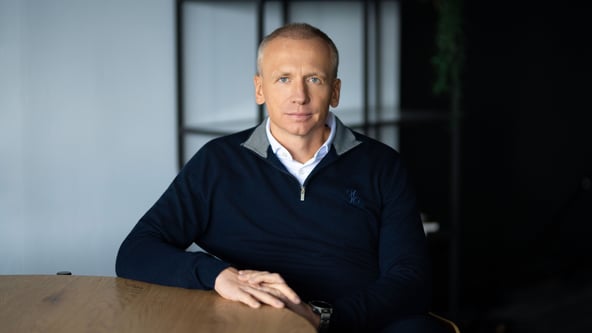
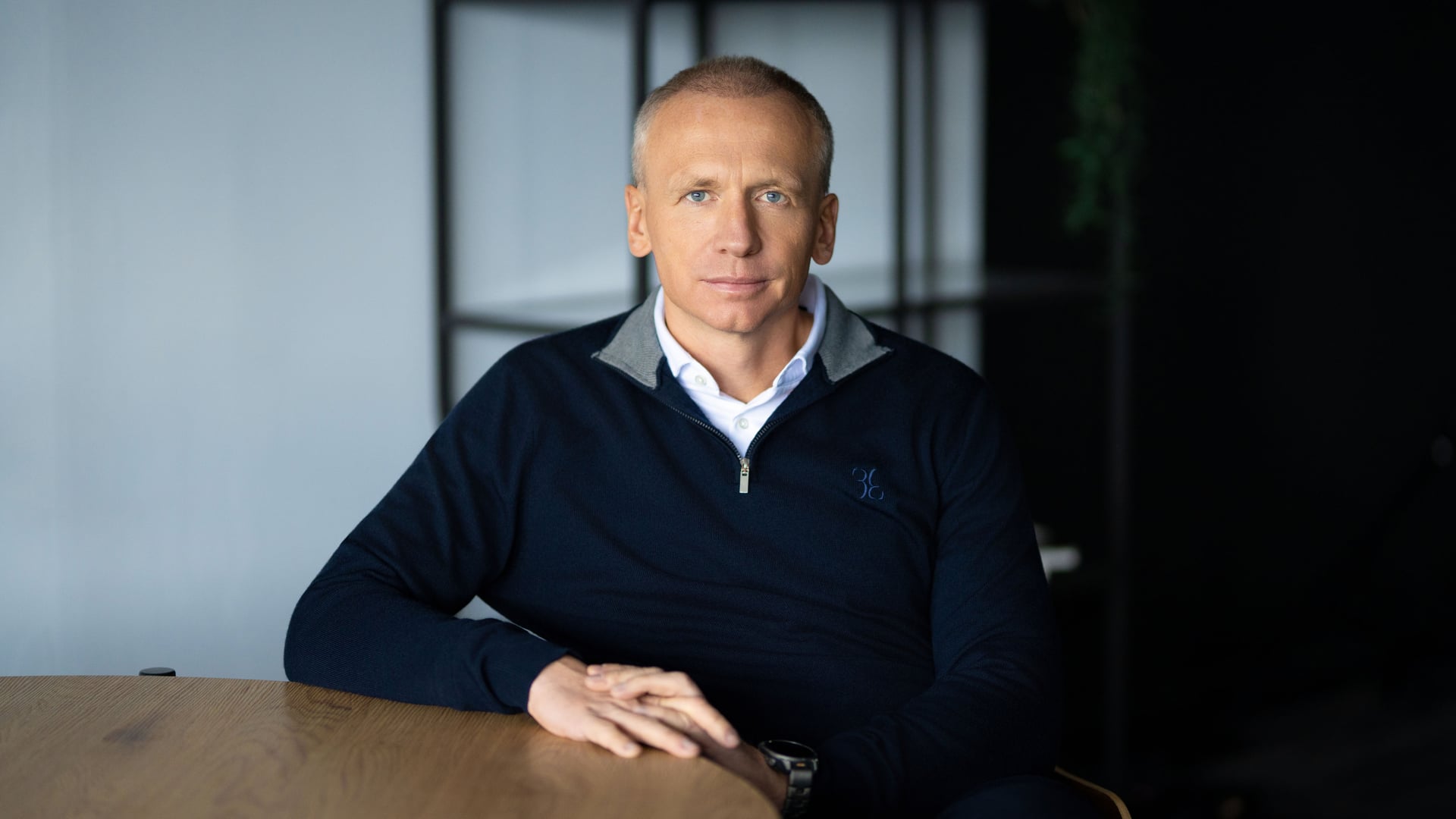
In an interview with Andrejus Trofimovas, Founder and CEO of Aventus Group, he discusses how the market’s transformation has affected customer behavior and what has enabled the company to sustain its operations in Ukraine.
Company Overview
Aventus Group is an international fintech holding founded in 2009 in Lithuania, specializing in digital consumer lending, auto leasing, and payment services. The company has grown from a local player into a global financial group operating in over 20 countries, employing more than 4,500 people. By the end of 2025, Aventus Group had issued loans totaling €1.3 billion, generating €411.39 million in interest income (company data).
The Ukrainian branch was established in 2017. Today, it comprises four companies representing several microcredit brands – CreditPlus, Pluscard, Credit7, Sloncredit, Selfiecredit – along with AUTOMONEY, which specializes in auto leasing, and Paytech, offering payment services.
Business in an Era of Uncertainty
The war and tightening regulations have acted as a stress test for the entire industry – some companies could not meet the new requirements. What factors have helped you maintain your position since February 24, 2022?
First and foremost, it was our experience navigating previous crises. The pandemic served as a rehearsal for larger shocks. During that period, at the height of uncertainty, we didn’t pause lending for a single day and managed to increase our market share by around 20% compared to the pre-COVID period.
The second factor is our long-term business philosophy. Achieving profitability in the fourth or fifth year is normal for us. We have been operating for 17 years, building an international presence and understanding that resilience comes from consistency, not quick profits.
The third factor is responsibility to our clients. At the start of the invasion, we suspended interest accruals and launched restructuring programs.
At that time, our goal wasn’t to maintain market share – it was to preserve customer trust. And it was precisely this approach that enabled a rapid recovery: we issued our first new loan on April 18, just two months after the start of the full-scale war.
Did having an international presence help maintain the position of the Ukrainian branch?
Yes, the international diversification of our business was a key factor that helped sustain the Ukrainian operations. The global group actively raises funds through our European crowdfunding platform, PeerBerry, which has over 100,000 private investors.
At the start of the full-scale war, the funding raised for the Ukrainian part of the business exceeded €10 million. After February 24, investors, aware of the group’s wartime risks, began requesting mass withdrawals. We had about a week to find a solution. The situation was further complicated by our simultaneous exit from the Russian market. We communicated openly, acknowledged that we could not return all funds immediately, but offered a guaranteed two-year restructuring schedule.
During the same period, business in other countries continued to grow and provided the necessary liquidity. Thanks to this, we were able to stay ahead of the repayment schedule, investor panic quickly subsided, and all obligations were fulfilled within just 18 months.
This experience confirmed that having a presence in multiple countries gives a business a chance to withstand unprecedented shocks in any single market.
What did you tell the Ukrainian team during the most difficult period?
First and foremost, we focused on people’s safety. We organized the evacuation of employees and their families, and ensured that colleagues who joined the armed forces had everything they needed. Business metrics took a back seat at that time – the priority was keeping the team together.
I remember a moment that truly moved me: the leaders of the Ukrainian companies and the group’s functional heads, many of whom are Ukrainian, voluntarily offered to work temporarily without pay. But after a month, when we saw the situation stabilizing, we began restoring standard salaries
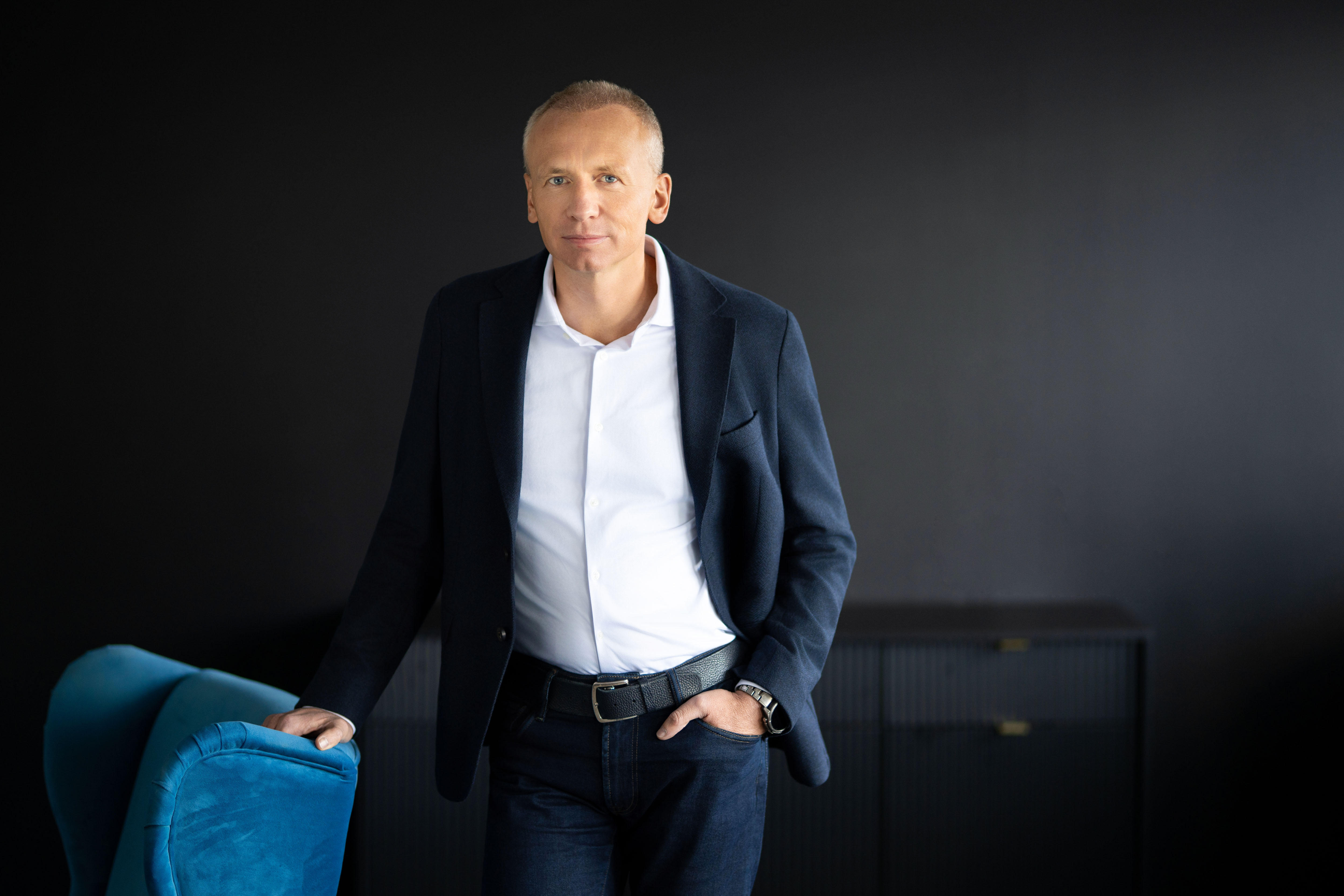
Andrejus Trofimovas, Founder of Aventus Group
What key principles do you consider essential for building a strong team?
The primary principle in our management approach is trust. We believe that, in the long run, it is more effective than strict control. That’s why we build teams based on honesty and mutual accountability.
The second important principle is a decentralized management model. All key performance indicators are set from the bottom up: local directors know their markets best and are fully accountable for them. They define goals and plans independently, rather than receiving directives from above.
Given the high dynamics of the business environment, our operational planning horizon usually does not exceed one year. However, we review plans monthly and adjust them as needed. This allows us to respond quickly to changes and make timely decisions. At the strategic level, we operate with a long-term mindset.
It is precisely the combination of trust, transparency, and strategic consistency that has formed the foundation of our resilience.
The Microcredit Market in Ukraine
How did you adapt your product portfolio to market changes?
Our core focus is online lending: short-term loans of up to 50,000 UAH for up to one year. This flagship product remains popular even under unstable conditions.
Last year, we launched Pluscard in partnership with Accordbank: the bank issues the card, and we provide the credit line. For clients, it’s a convenient ʼtwo-in-oneʼ solution – a card with an integrated credit line. This product is new for the group, so everyone is watching this segment closely.
We also plan to launch a long-term credit line with flexible tranches, which would be more attractive to clients; however, the uncertainty caused by the war makes such long-term projects risky. Additionally, we are developing auto leasing aimed at people who use cars for daily work. This product is challenging and low-margin for our group, but it has potential: we are negotiating bond issuance to finance it.
How do you plan to expand your product portfolio in the coming years?
We are looking at the B2B segment and exploring opportunities to develop factoring and business lending services. We also have successful experience financing small developers in Europe, so after the war, we would like to try a similar product in Ukraine.
Is there a difference in how Ukrainian and European clients perceive these services?
The main difference lies in income levels, consumption volumes, and average loan sizes. In Ukraine, loans are relatively small – not only compared to Europe but even smaller than in our companies in Latin America. At the same time, the level of overdue debt is relatively low and aligns with European standards.
The Ukrainian market is very well developed, with abundant data that allows for precise credit decisions. It should also be noted that, following the full-scale invasion, the Ukrainian market has unfortunately shrunk significantly due to emigration. On the other hand, the expertise of employees in Ukraine is extremely high, and many of the group’s divisions in various countries are staffed by Ukrainians.
Among the functional managers and staff at the headquarters, Ukrainians make up the overwhelming majority.
What approaches, in your view, help increase Ukrainians’ trust in the sector?
There is only one recipe: systematic, lawful, and customer-oriented work. We operate strictly within the law, and this is a matter of principle for us. Sustainable development is only possible when a business is transparent and regulated.
Moreover, we do not profit from our clients’ problems. There is a segment of financial companies in the market whose profits come from fines, overdue payments, and ʼproblemʼ debts. This is a toxic model that erodes trust.
Our approach is different: provide quality loans and recover them under conditions defined by law. If a client finds themselves in a difficult situation, we try to be accommodating and offer restructuring. It is precisely this kind of behavior that gradually changes the perception of the industry.
What role does the Ukrainian branch play in the overall revenue structure, and what are its financial results?
Last year, the net profit of the largest company, Aventus Ukraine, amounted to UAH 395 million—a 25% increase compared to 2024. However, we are not pursuing aggressive growth in Ukraine.
The market is limited, and further expansion of our market share could risk attracting borrowers with lower credit ratings, which we consider unethical. For us, it is important to maintain stable volumes while serving clients with good payment discipline.
Currently, the Ukrainian branch accounts for around 20% of the group’s revenue.
What has been the growth of new clients in Ukraine over recent years?
The war, changes in consumer sentiment, and economic instability directly affect demand. Currently, we lend to around 10,000 new clients per month, compared to approximately 20,000 in 2021.
Conversely, the more stable the market situation, the higher the demand for credit. Therefore, our current focus is on maintaining the existing portfolio, ensuring loan quality, and extending loan terms. We do not expect a sharp increase in the client base in the near future.
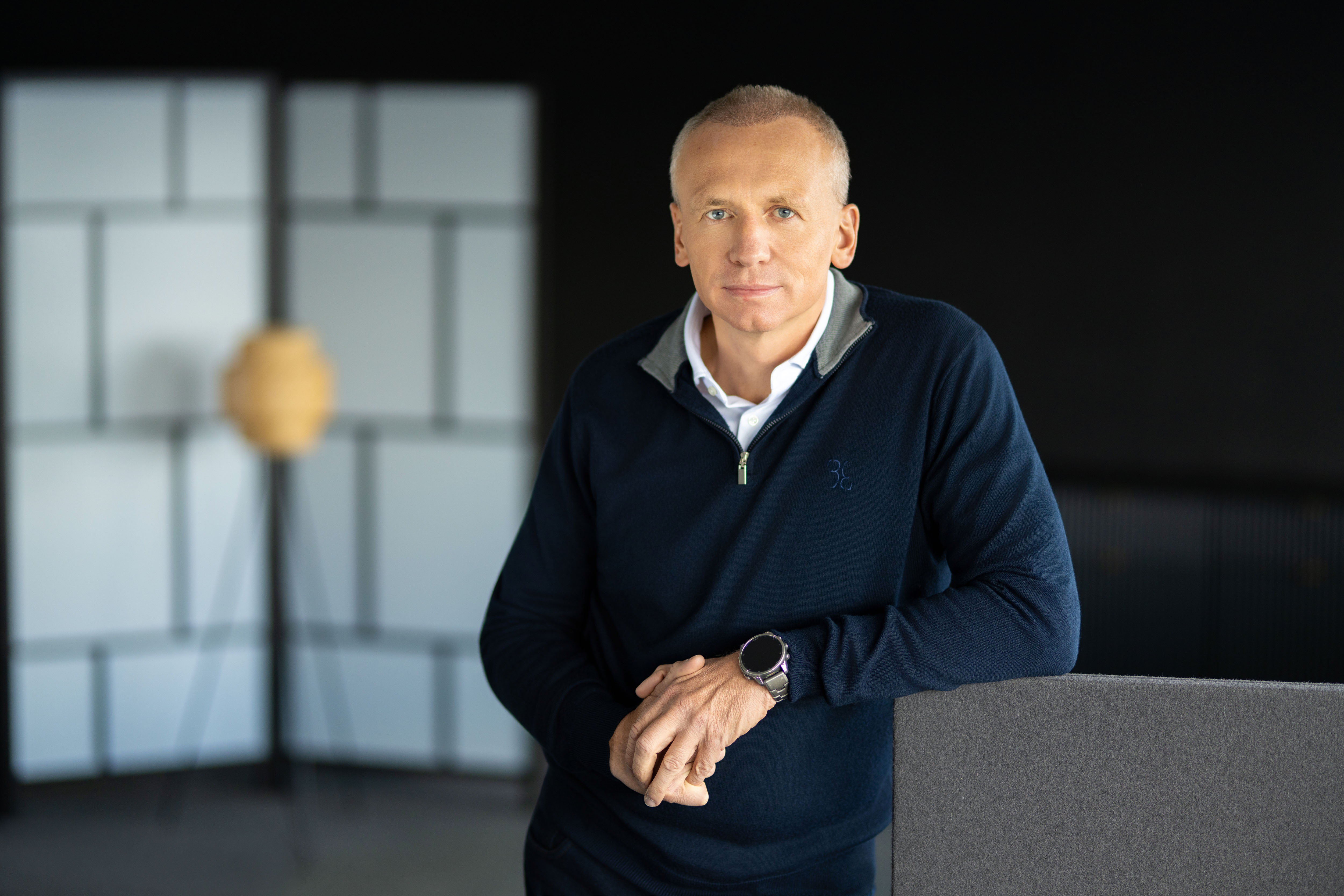
Andrejus Trofimovas, Founder of Aventus Group
Supporting and Building
You provide systematic support to Ukraine. Why is this important to you?
I believe it is important to help people in difficult situations, not only in Ukraine but in all the countries where our group operates. For me, it is also a personal story: my son has spinal muscular atrophy, so our family decided to support children with the same diagnosis.
Today, the company’s charitable initiatives in Ukraine focus on several areas: supporting children with serious illnesses, including SMA and cancer, assisting medical institutions, backing volunteer projects, and helping internally displaced persons.
Since the outbreak of the full-scale war, the group has directed over €4 million to charitable causes, including UAH 142 million directly from the accounts of our Ukrainian companies.
We support initiatives where our assistance can truly save or improve someone’s life, because when determining areas of support, human life is our highest priority
You continue to speak about Ukraine’s prospects. What helps you remain confident about the future?
Ukraine’s strategic prospects have not disappeared. Yes, many of our initiatives are currently on hold. For example, we were considering the acquisition of a bank and an agribusiness, and we were preparing development projects, having already invested in six properties in Kyiv and the surrounding region. It is frustrating when such thorough preparation has to wait. But the war does not erase the country’s potential. Ukraine has strong human capital, an entrepreneurial spirit, and an enormous demand for development.
After victory, we will not be starting from scratch – we will begin with experience, ready-made solutions, and a deep faith in the country.