Today, a single ill-judged comment on Threads can cost a brand millions. An owner’s stance and a company’s commitment to corporate social responsibility are now just as important to customers as product quality.
In this reality, the brands that win are those that don’t merely declare their values, but consistently and convincingly demonstrate them – through actions and stories people trust. Finding such stories and bringing them to audiences is what #SHOTAM, Ukraine’s media outlet dedicated to positive news and storytelling, does best. Over nine years, it has evolved from a Facebook page with an office tucked away in the back room of a beer shop into a full-fledged media platform whose core asset is trust. #SHOTAM helps businesses and communities build their reputations through stories of real change.
How a media platform can become infrastructure for partnerships and what this model offers businesses was discussed by #SHOTAM’s co-founders, Serhii Kolesnikov and Artem Ipatov, in an interview with Forbes BrandVoice.

Company Profile
#SHOTAM is a Ukrainian media outlet founded in 2017. It focuses on positive news, success stories, reforms, business, volunteering, and social change. According to its founders, the platform’s mission is to restore faith in people and in Ukraine.
The founders are Serhii Kolesnikov (founding editor) and Artem Ipatov (founder and CEO).
*data provided by the company’s press office
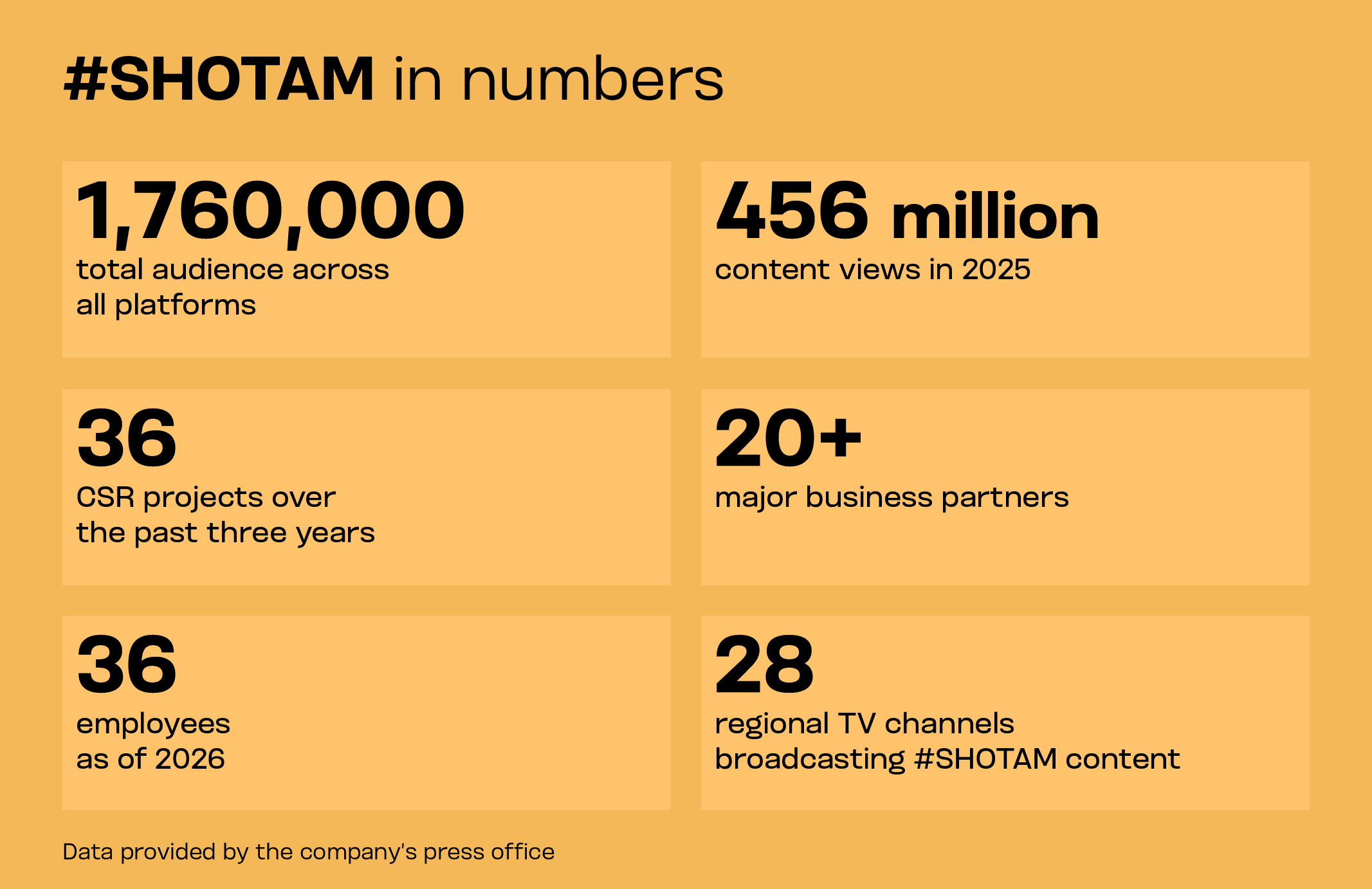
#SHOTAM in numbers
From a $25,000 USAID Grant to a Sustainable Media Outlet
You launched #SHOTAM in 2017. What was the initial impetus?
We both come from the Luhansk region. After 2014, our environment split in two: some people left the occupied territories, others stayed, and as a result, people ended up living in completely different information realities. What was common, however, was that life in government-controlled areas was being portrayed in dark tones on both sides of the contact line.
We were deeply troubled by the fact that internally displaced people who dared to start over in new cities were not receiving any confirmation that they had made the right decision. The media space was saturated with tragic news, crime, and corruption. We wanted to show that this country and its people have a real chance at success – that an ordinary Ukrainian can achieve the Ukrainian dream.
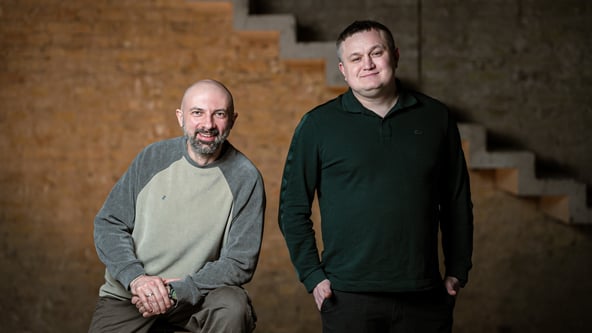
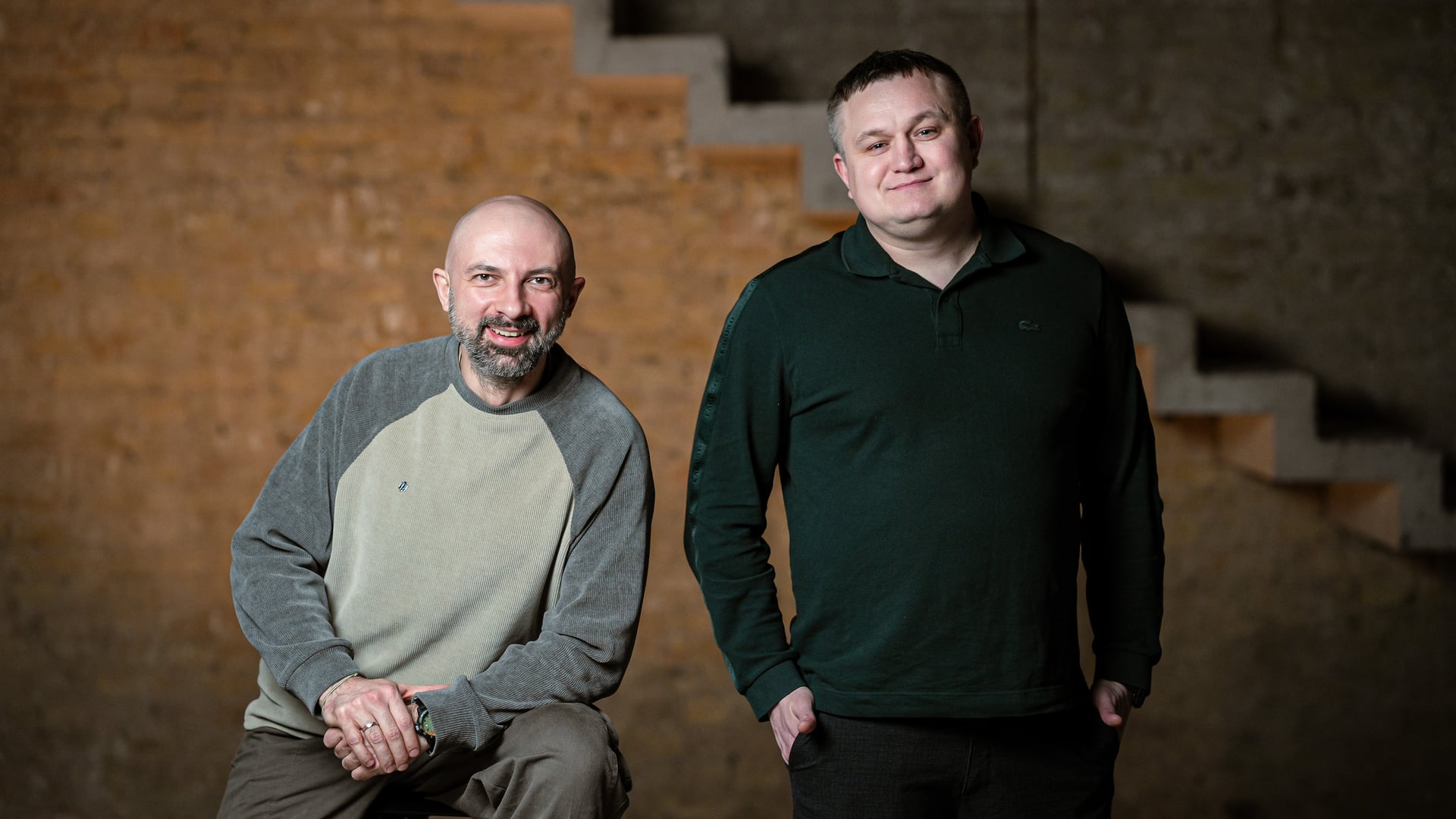
Artem Ipatov and Serhii Kolesnikov, #SHOTAM’s co-founders
We launched pages on the most popular social networks at the time and began creating what we like to call social impact content. These were dozens of success stories: veterans who built successful businesses; abandoned Soviet factories transformed into modern art spaces; companies that made their workplaces inclusive; and many other inspiring examples.
At one point, we calculated that our thematic focus areas covered 11 out of 17 UN Sustainable Development Goals for 2030.
What did your early days look like?
We literally started in a storage room between a bakery and a beer shop – no windows, no heating. All we had was electricity and the internet.
Most people in the media industry at the time were skeptical: who would read good news?
We got our answer with the second publication – it reached a million views in a week. It was a story about a volunteer from Volyn who walked more than a hundred kilometers along an international highway, planting marigold seeds along the way. He couldn’t stand how bleak the roadside looked. He had no resources—just a person, a bucket of seeds, and a belief that circumstances can be changed if you take action. Even if you’re alone.
What about your initial funding?
A few months in, we received our first USAID grant – $25,000. Like most grant programs, it worked on a reimbursement model: you first implement activities using your own funds, report every expense in detail, and only then receive reimbursement. For two months, we essentially lived on debt – borrowing money to cover salaries and freelance services.
We continued working with the same donor afterward, and the amounts gradually increased, but the principle remained the same. After two years, USAID informed us that it would discontinue funding. Almost at the same time, both the world and the advertising market were hit by the pandemic. That’s when the real transformation began.
Today, #SHOTAM’s financial model has changed significantly: 50% of the budget comes from grants, 35% from business partnerships, and 15% from direct reader support.
The goal for the coming years is to increase the share of business partnerships to 70%.
Why positive content wins
Why does positive news still attract audiences?
People are overloaded with negativity. They are forced to survive under constant shelling, in conditions of uncertainty and fear for themselves and their loved ones. In other words, real life already contains enough traumatic factors. And then they open their smartphones, and it starts all over again: tragedy, corruption, hopelessness. Behavioral science refers to this effect as media-induced retraumatization.
It’s important to be precise here – we are not trying to place audiences into some utopian world where everything is good, and everyone is happy.
We are showing the real world through a different lens, a different perspective.
Our audience does not want polished stories of ʼsuccess for success’s sakeʼ or performative ʼgoodness for goodness’ sake.ʼ They want real examples where there is effort, resilience, mistakes, and results. This restores a sense of belief and motivates action, rather than pushing people into despair. People are not escaping reality – they are looking for something solid to stand on within it.
How does your audience differ from that of other media outlets?
Around 60% of our readers come from small towns with populations under 50,000 and rural communities, while the remaining 40% are based in large cities. These are people who choose us deliberately: they are aware of social challenges, but they want to see how those challenges are being addressed.
That is why our content is organically viral – people share it on their own initiative. This is not reach-driven by advertising budgets or paid targeting. #SHOTAM’s content spreads not because of promotional amplification, but because people genuinely want to share it.
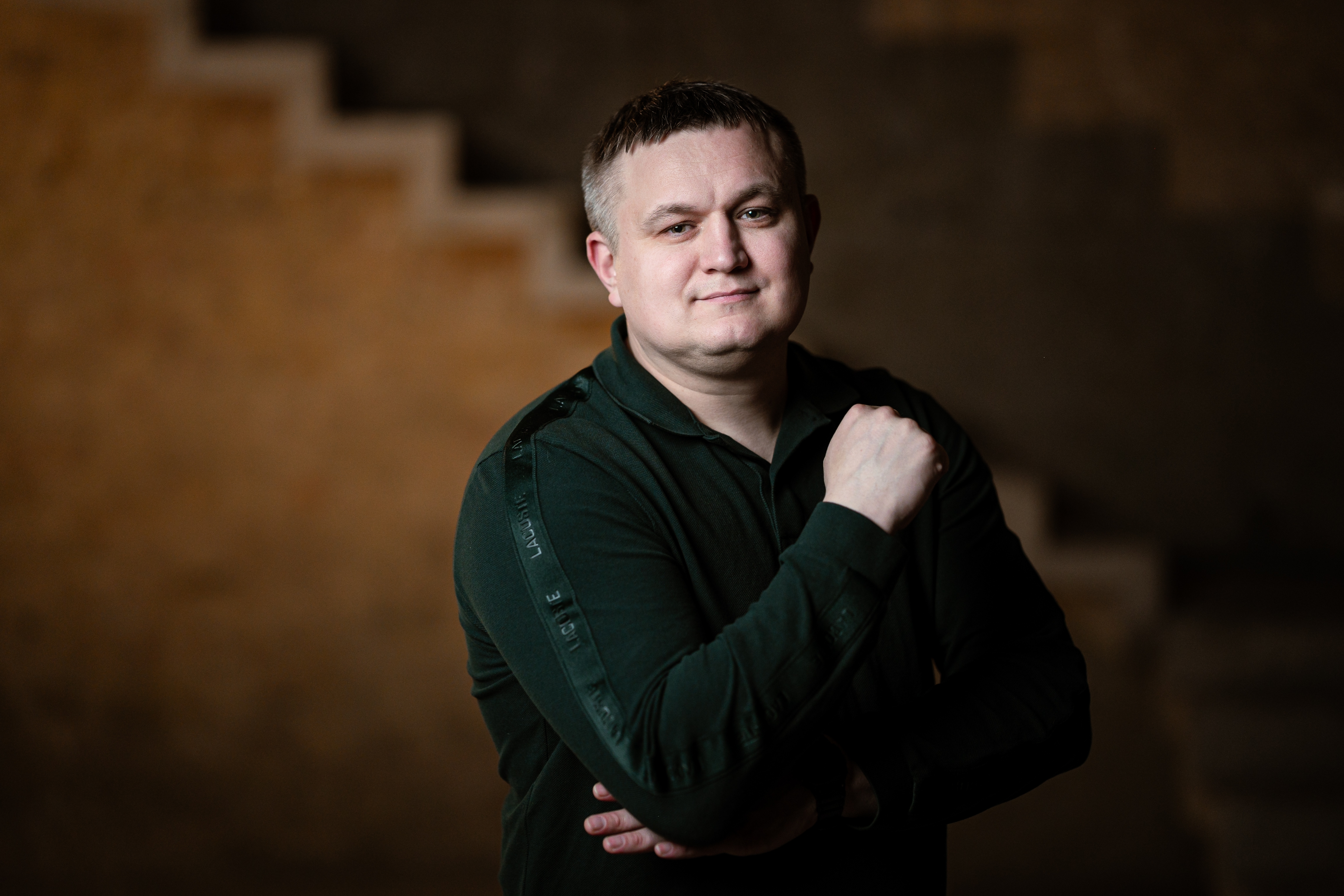
Artem Ipatov, founder and CEO #SHOTAM Фото Артем Галкин для Forbes Ukraine
The first business and hard-earned lessons
When and how did you land your first commercial partnership?
After USAID stopped working with us, we approached various organizations – NGOs and international institutions – and began presenting real case studies. They believed in our approach and started involving us in covering their initiatives. The next step was business.
We signed our first commercial contract with a large agribusiness about six months before the full-scale invasion. Today, we already work with more than 20 long-term corporate partners.
What lessons did you learn the hard way in working with businesses?
Unrealistic expectations of immediate results. Businesses are used to the logic of direct advertising: launch a campaign, get sales. We had to explain that the impact of reputation-building through trust is not immediate and cannot be measured a week after publication.
Here, as with certain medications, the effect is cumulative. Social impact content does not work on direct sales – it works on reputation. And that requires persistence and patience.
What does partnership look like today
How does cooperation with businesses work?
We don’t run advertising, and we don’t actively seek advertisers. Instead, we create social impact content that can shift perspectives, inspire action, share meaningful experiences, and highlight initiatives that matter. We work in two formats.
In the first, a business comes to us with an existing CSR initiative or social project, and #SHOTAM helps tell its story in a way that doesn’t sound like a press release, but like a living narrative people can trust.
In the second format, we develop the idea ourselves and then look for a business partner to support it.
We know our audience better than anyone. If we see an idea that will resonate, we approach businesses with a ready-made concept.
And what happens when the partner is a non-profit initiative?
In that case, we apply what we call a ʼpartnership triangleʼ: #SHOTAM provides media coverage and helps bring in a sponsoring business that funds the social project. All three sides benefit – the initiative receives support, the business gains reputational value, and the media produces meaningful content.
Could you share a concrete example of a media-driven social project?
For example, OLX. We had long been developing the idea of telling stories about downshifters – people who deliberately move to abandoned villages, restore old houses, and help revive local communities. OLX has a real estate section featuring properties in exactly these kinds of locations, so we came to the company with a ready-made concept. After several iterations, the project generated millions of views and organic shares.
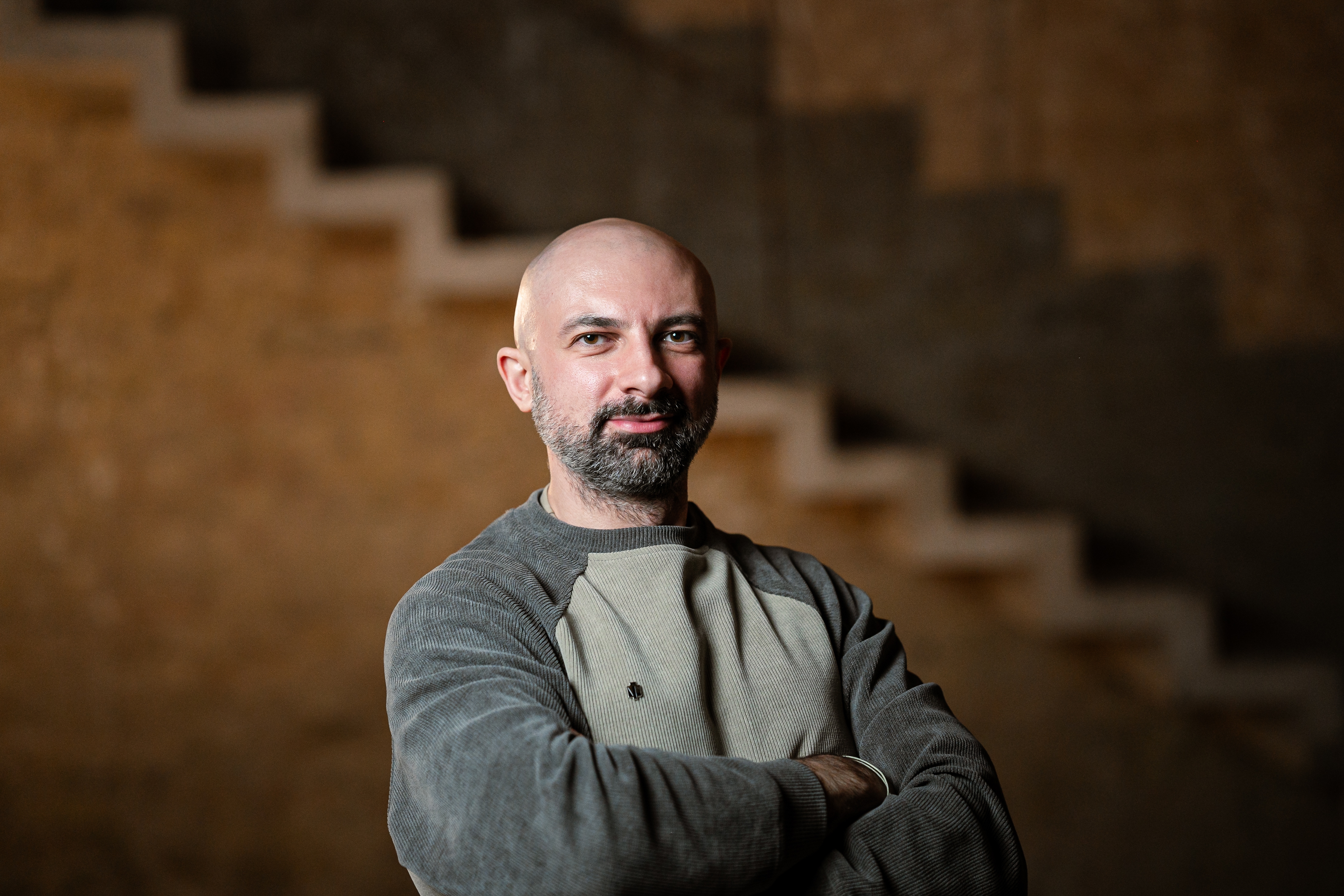
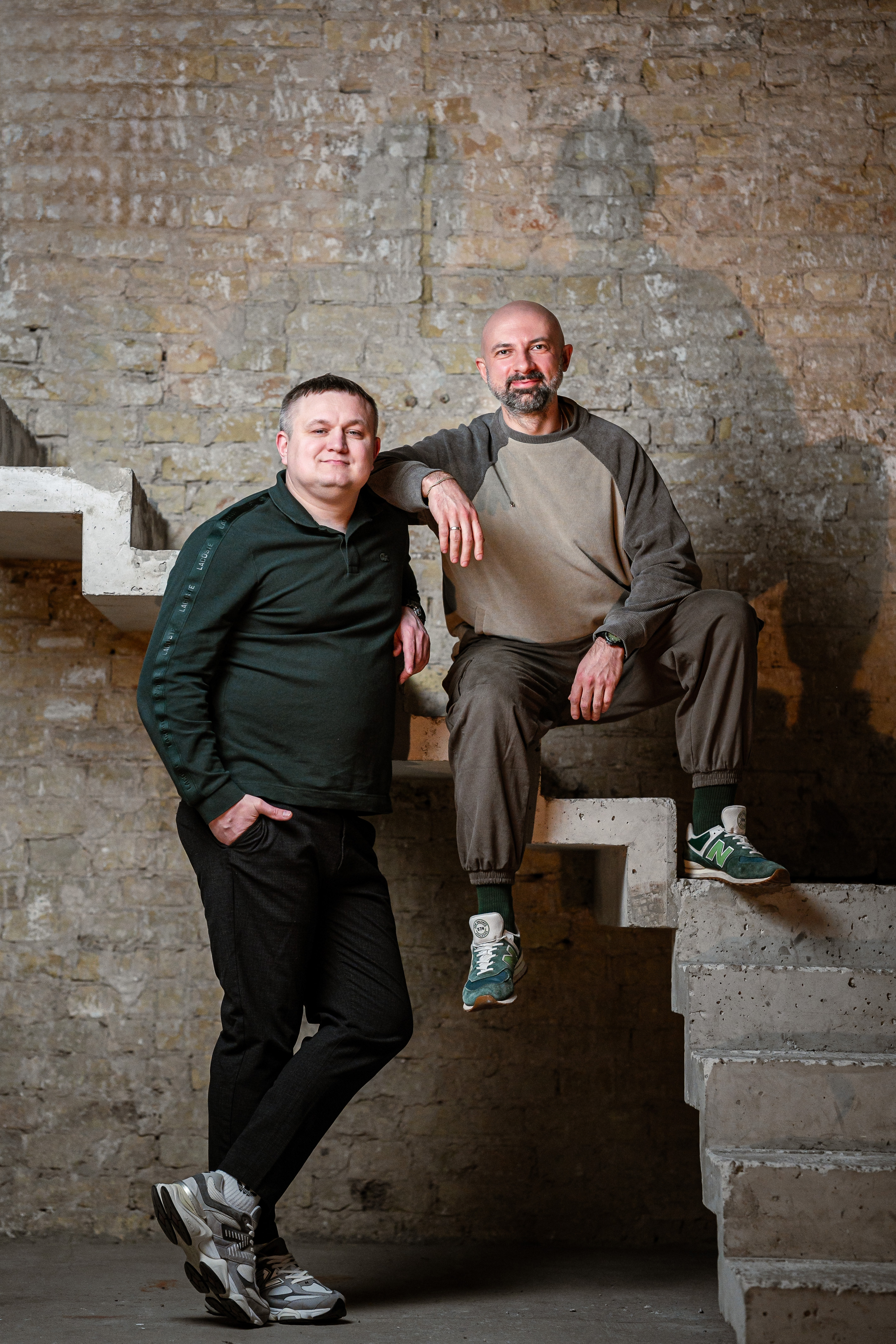
Serhii Kolesnikov, founding editor #SHOTAM Фото Артем Галкин для Forbes Ukraine
Another example is our partnership with Kormotech. It started with a simple idea: we wanted to create something not just about animals, but about modern attitudes toward them. That’s where we found common ground with the company. We were interested in talking about responsibility, care, and the small things that actually matter a lot.
This led to a series of animated stories, each with its own style and tone. We covered a wide range of narratives – from practical tips, like how to safely walk pets in summer or travel abroad with them, to stories about animals rescued after the destruction of the Kakhovka Dam.
One of the most successful partnerships is our collaboration with Astarta-Kyiv. We have always seen one of our core missions as supporting small entrepreneurs in the regions. Over time, we produced hundreds – if not thousands – of short videos offering free promotion to small businesses. It turned out that the agribusiness itself was also actively supporting small enterprises in villages and small towns. That shared focus became the foundation of a partnership that eventually evolved into four seasons of the project ʼCourse to Independence.ʼ
Across this project, our content accumulated 15 million views.
How do you report back to partners?
As we’ve already noted, we don’t promise that our content will directly increase a partner’s sales. What we do guarantee is that a wider audience will see their meaningful actions. The key metrics we work with are views and reach. In 2025, #SHOTAM’s content generated 456 million views across all platforms – this includes both partner-driven and editorial projects. After each project is completed, we provide a detailed media report with a breakdown by platform and format.
Who #SHOTAM does not work with
Are there companies you refuse to work with?
Yes. We do not cooperate with companies that still operate in Russia, as well as tobacco, alcohol, and gambling businesses, political parties, or medical brands that promote prescription drugs.
We build reputation through trust – and that starts with our own. If we agree to work with just anything, we lose the very thing that makes us valuable to both our audience and our partners.
Why positive content will only continue to gain importance
How do you see #SHOTAM developing in the coming years?
The demand for constructive journalism is growing – not only in Ukraine. Audiences are becoming more intentional about what they allow into their information space. For businesses, this means that partnering with media that has both reputation and organic reach is no longer just a CSR option, but a strategic asset. Brands that invest today in authentic messaging through transparent media will, over time, gain something that cannot be bought through advertising budgets—trust.
#SHOTAM plans to further increase the share of commercial partnerships while maintaining its independent editorial stance.
It is precisely that independence that underpins the trust of both audiences and partners.