Content consumption is rapidly shifting into digital formats, and online platforms are increasingly dominating the country’s media landscape. According to Statista, by 2030, the digital media market in Ukraine is projected to generate 45.65% of the industry’s total revenue.
This trend became a strategic foundation for LIVE Media HUB, which fully transitioned to digital at the start of the full-scale invasion. Today, the team not only covers key events in Ukraine and produces high-profile projects on YouTube, but also develops educational and social initiatives that support the growth of quality journalism. In an interview with Forbes BrandVoice, Anna Kovalova, owner of LIVE Media HUB, discusses the transformation of the media holding and its impact on a new generation.
Starting Anew
How and when did the story of LIVE Media HUB begin?
My journey with the holding company started before the full-scale war, back when it had a different name. As a marketing agency, we were working on developing the launch strategy for a new TV project.
I’ll never forget my fascination with the depth of the media world and the content production process: ratings that shifted daily, the hunt for exclusives. At that moment, I told myself that one day I would have my own media project, dedicated to marketing, communications, and culture. Life, however, took me on a different path, and today I have several projects, and I couldn’t be happier. The journey is challenging, but it’s one I’m ready for.
The real challenge began when I joined the project as its leader. I arrived alone – no team, no clear structure, only the understanding that I had to create a system where chaos reigned. I needed to build a strategy from scratch, assemble a team I could trust, and, most importantly, keep that team together at a time when, in June 2024, it seemed almost impossible.
From day one, we set rules that became our foundation: content integrity – respect for the reader, no manipulations or distortions; a new culture of interaction – honesty, responsibility, transparency, and independence as core principles; ethical advertising – no casinos, tobacco, or anything that could cause harm.
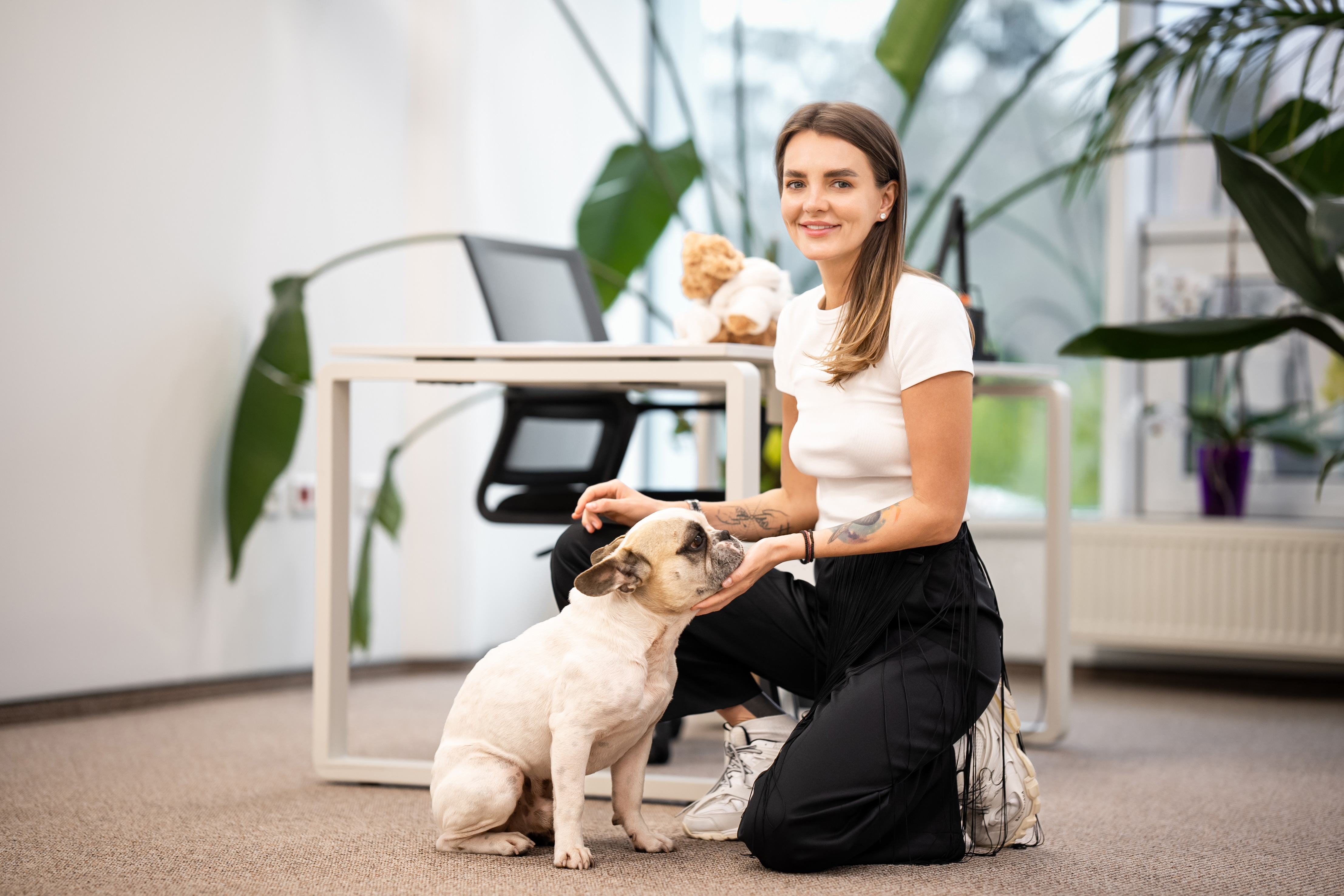
Anna Kovalova, LIVE Media HUB Owner
What challenges did you face at the start of joining the project?
Since this process began during the full-scale invasion, in my view, there simply weren’t the needs or resources to develop a television format. We immediately focused on the digital direction. Unfortunately, this meant saying goodbye to many people who had been creating content for TV – probably the most emotionally difficult period.
The second challenge was convincing the team that we weren’t just experimenting, but truly building a new system. When I announced that we were fully transitioning to YouTube, there was a lot of skepticism. People said similar attempts had already been made, and that the culture of video consumption in Ukraine was different, so news on YouTube was unlikely to attract high demand.
The live broadcast format was still largely uncharted territory for us. But at that time, our digital director and I had a different perspective. We had to teach and inspire the team to work in a new way, shift our approach, and prove that it could succeed.
We kept repeating: ʼWe have to try – this is our path, and no one else can walk it for us. Even if we make mistakes, they will be our mistakes and our experience.ʼ
Did it really work?
Yes, and the numbers prove it. Today, we produce 11 hours of live broadcasts every day, with news blocks airing in the morning, afternoon, and evening.
From the very beginning, we moved away from the traditional event-driven format. Today, viewers need to get important news quickly, so most stories are produced by a single person filming on a mobile phone – delivering critical updates in real time. At the same time, our journalists are present at all major international events, covering happenings in Davos, Munich, and Rome.
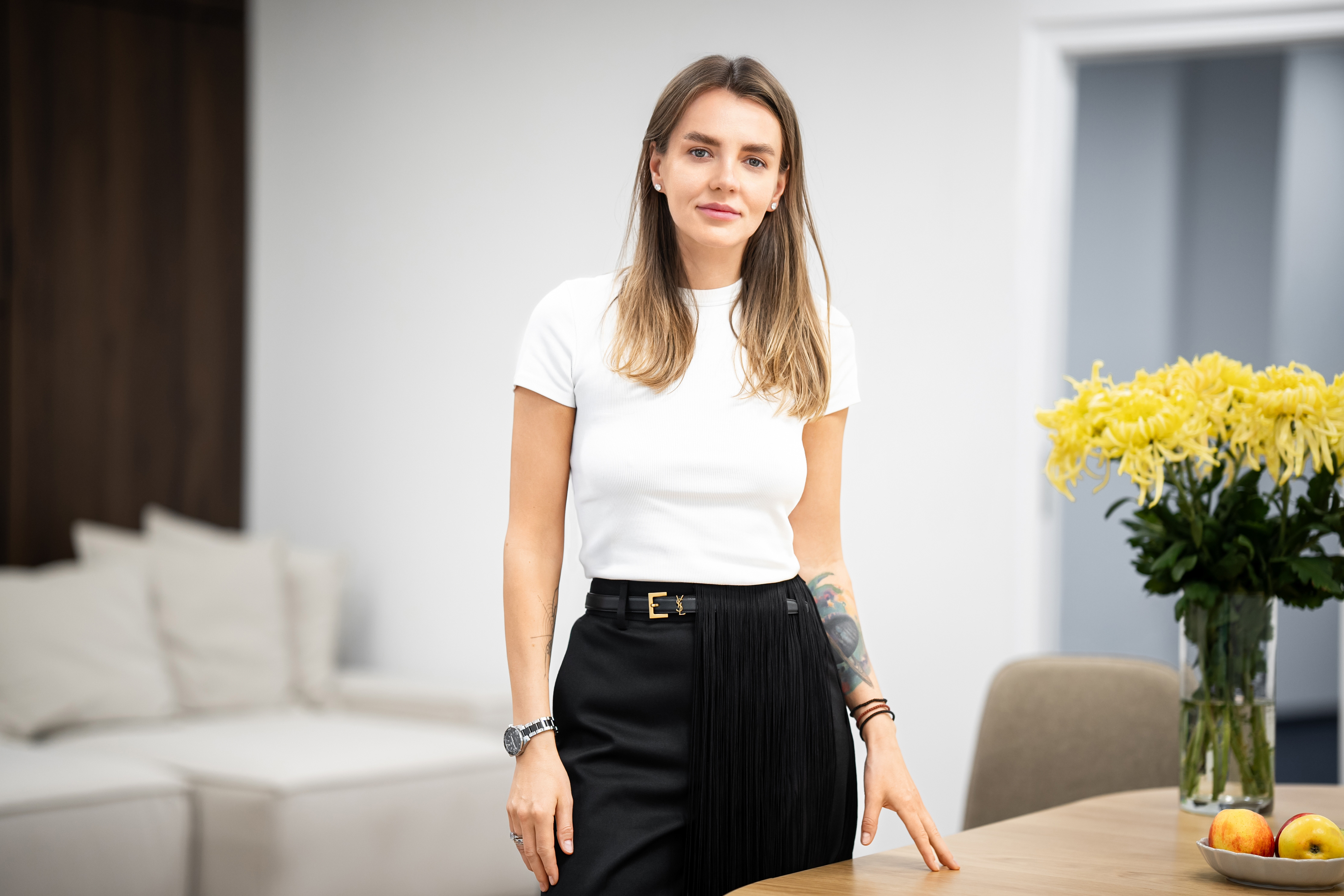
Anna Kovalova, LIVE Media HUB Owner
During this period, we also relaunched the Novyny.LIVE website twice, making it as user-friendly as possible. In October, it ranked sixth among all news resources in Ukraine, according to Gemius, with over 12 million unique users, placing it alongside media giants that have been on the market for decades.
We’re not stopping there: by the end of the year, we plan to break into the top five news platforms.
Who forms the core audience of the holding company?
Every project has its own audience. For example, Ty Kyiv focuses on the capital – its history and events – and attracts not only Kyiv residents but also teenagers and adults from Lviv, Odesa, Mykolaiv, and other cities. We are currently transforming the project, so Ty Kyiv will soon become even more engaging.
To be honest, this project is close to my heart. I love exploring the history of our city, its residents, streets, and events through our content. I learn about most new venues, brands, and discoveries directly from our site.
For news, the core audience is people aged 25 to 45. There’s a noticeable trend toward a younger demographic: more and more young people are reading news about the economy, politics, or military developments, feeling that they can influence what’s happening in the country. This shift in the audience also drives us to adapt our content, making it more dynamic and accessible.
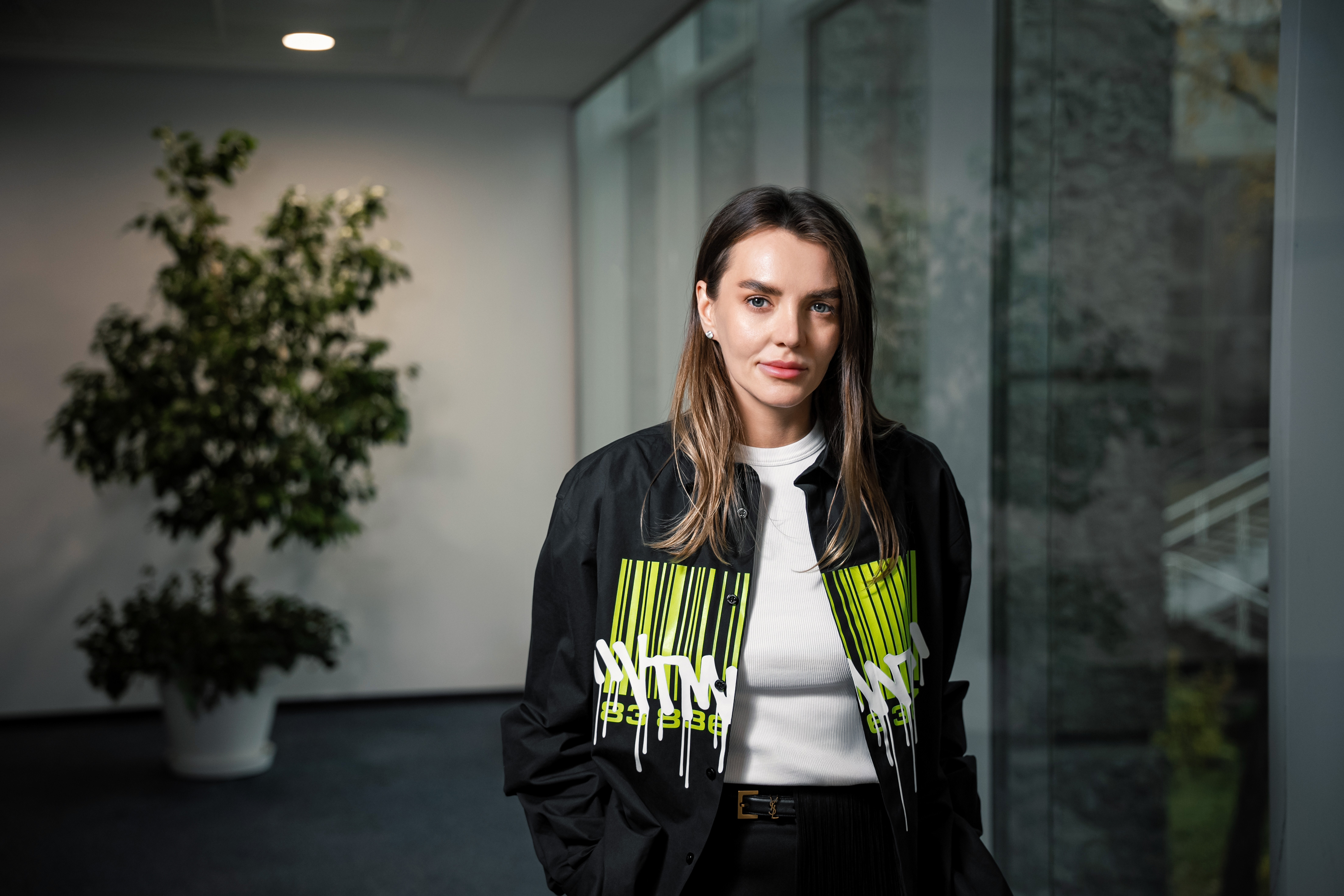
Anna Kovalova, LIVE Media HUB Owner
Has the full-scale war influenced the media’s strategic course?
The war has shown that businesses can and must demonstrate social responsibility – today, it’s an essential component, and we are no exception. For example, the Ty Kyiv team has provided media support to small businesses from other regions forced to relocate to the capital, helping them make their presence known. Today, the editorial team continues to work closely with these companies, integrating their promotions organically into content. To me, this is the least we can do.
At the holding level, we support several military units, organize fundraisers, and disseminate vital information. I know that nearly all of my colleagues are doing the same, and I’m deeply grateful for that.
Next year, we are launching ToTEducation – a free educational platform where we will teach young people journalism, marketing, and PR. One of the platform’s key modules will focus on responsible and accurate coverage of the war. We’ve invited top-tier speakers and mentors to participate.
Another initiative is a veterans’ employment program within the holding. Initially, we’ll train them in digital skills, including SMM and website management. Training will be conducted both online and offline in small groups of 10–12 people. Equipped with these skills and a willingness to work, participants will be able to perform tasks remotely or on-site.
We are also preparing our team for interaction with veterans, educating employees on how to communicate effectively with those who have just returned from the front.
Our goal is to create a natural and comfortable atmosphere within the team.
What helps you stay focused on what matters most?
Family. My team. The drive to always achieve goals. My family is my greatest support and my deepest love. This year, my second niece was born – one of the brightest moments of the year. I also have a loving partner who inspires me and strengthens my confidence.
I also have the support of an incredible team – I always make sure they know it. Our path hasn’t been easy, but we walk it with our heads held high. The best thing we can do is stay in Ukraine, grow our project, give a voice to the authorities, the military, volunteers, and ordinary people, and do our work well. As a media organization, we have a major mission: to tell the world about the war in Ukraine.
At the start of the war, we launched what I believe is one of the best humanitarian foundations, Future for Ukraine. I’m proud that today it is helping so many people.
Reorganization as Part of the Strategy
Do you have employee development programs?
Yes, we’ve trained so many specialists that it almost feels like a full-fledged production workshop. Forty-seven percent of LIVE Media HUB managers have been promoted from within the company. For example, Tymofiy Yelistratenko, who led the digital division for over three years, became the holding’s CEO this year.

Tymofiy Yelistratenko,
CEO of the Holding
My goal as a leader is to increase our audience share by 15% next year, and my team and I are actively working toward this. Over the past three years, we have built a regional network across four Ukrainian regions and established an international correspondent network in Poland, Germany, France, Israel, and the United States.
Today, our focus is on developing our online platform, the fastest way to communicate with our audience. All our projects are designed primarily for people, and only then for the technologies that help us create high-quality media.
I’m not a proponent of replacing professionals with artificial intelligence. I believe that all innovation and change in media depend first and foremost on the team’s professional level, their willingness to learn continuously, and their ability to identify and improve weak points. Smart, resilient, responsible, and sincere people are the ones who can truly transform Ukrainian media for the better.
Why did you decide to reorganize the management team now?
In fact, Tymofiy had been performing this role for a long time; now we have formalized it. He understands all the processes within the holding and works deeply with analytics and data.
This year, we also established a professional PR department. While the team previously focused on crisis management, we are now concentrating on building a strong brand so that people feel part of the team and see the purpose in their work. The new PR department operates systematically, supporting the holding’s social initiatives – from military programs to animal shelters and other important projects.
What are the key principles for building a strong team?
Our team consists of about 100 people, and I’m completely confident that they truly love their work. We don’t operate with rigid formal structures – as a leader, I constantly discuss new ideas with the team so that every decision is well-founded and clear.
For example, our news website, which initially lagged in traffic, now achieves impressive results – around 400,000 visitors daily. We show the team how we reached this milestone so that everyone understands the principles of effective work.
In summary, the three key principles of a strong team are collaborative strategy development, continuous learning and growth, and the freedom to work without unnecessary restrictions.

Anastasiia Martynenko,
PR Director of the Holding
My mission is to strengthen the holding’s reputational capital through social, educational, and image-building initiatives that foster trust in the brand. We are building not just a media company, but a platform of influence – a space where journalism, analytics, and social responsibility operate within a unified system. I strive for every project within the holding to have a clear reputational framework, with values – humanity, growth, and responsibility – reflected in all communications.
At the same time, every specialist needs to think not only within the scope of their project but also as part of the larger Live Media HUB ecosystem, which shapes the country’s information agenda. We aim to become a laboratory for new approaches – open, creative, and grounded in professional ethics – where innovation and experimentation serve the development of both media and society.
Key Projects
Which of the holding’s projects do you consider the most successful?
Over the past four years, we’ve launched many projects that I’m genuinely proud of. For example, Ukrainian Breaking News, an English-language Facebook page where we cover events in Ukraine. The project is highly dynamic, optimized for social media, and its content is easy to read and share. The page now has over 370,000 followers.
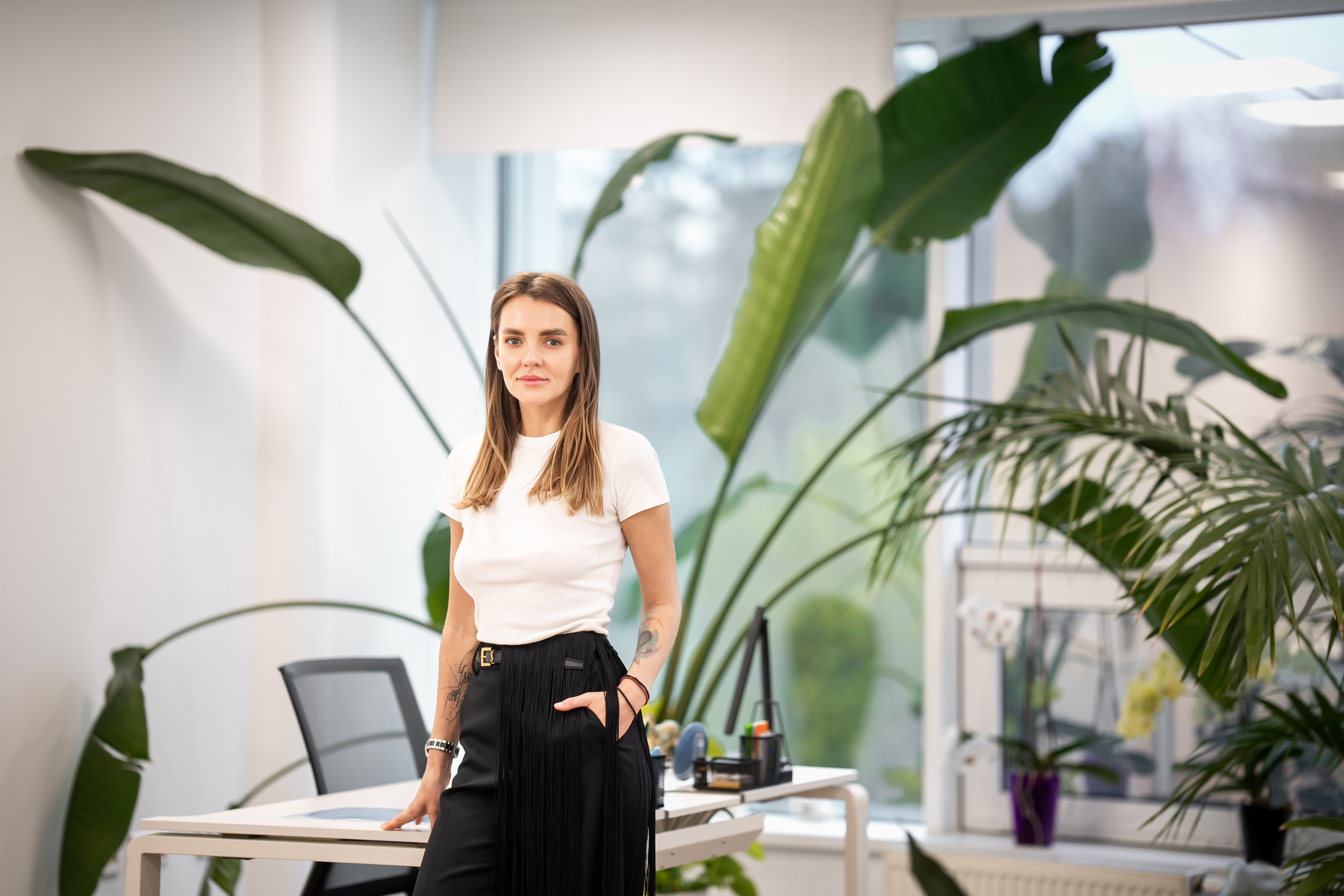
Anna Kovalova, LIVE Media HUB Owner
Currently, we are working on perhaps our most ambitious project, set to launch next year: the first fully AI-generated news website. We’ve developed a bot that will analyze global events and translate them into Ukrainian – with no human intervention.
I’m confident that AI is becoming an integral part of the media industry, and we aim to be among the first to actively integrate it into our workflows.
Key Projects of the Media Holding
- Novyny.LIVE – breaking news, analytical reviews, special projects
- Ty Kyiv – lifestyle media covering city life
- Future of Ukraine – a children-focused media initiative that opens doors to journalism, content production, and communications, giving kids a head start for their future careers
- House of Ukrainian Books – a program restoring public library collections in villages and small towns
- Women-Phoenix – stories of women who have lost their husbands in the war
What are your strategic priorities for the near future?
By the end of next year, we plan to fully complete the transition to digital, with a 24/7 YouTube broadcast for the Novyny.LIVE project. This is a challenging but extremely important step for us.
We are also actively developing the English version of the Novyny.LIVE website, ensuring the world receives accurate, firsthand information about events in Ukraine.
At the same time, we are launching the Architecture of Security project, which will examine the experiences of countries that have endured wars but managed to achieve economic growth. As part of this initiative, we will meet with policymakers responsible for legislative changes in Germany, Finland, Poland, and other countries.
Currently, my main task is to preserve an atmosphere of freedom and enthusiasm within the team. It is this spirit that allows us to execute projects the way we envision them – and I hope it will always remain that way.