Ukrainian businesses can no longer afford to treat electricity, heating, cooling and backup power as separate challenges.
After several years of energy crises, the central question has changed. It is no longer ʼWhere can we find another source of power?ʼ but rather ʼHow do we build a system that keeps the business running continuously, keeps energy costs under control and reduces dependence on the external grid?ʼ
For industrial businesses, the challenge is particularly complex. A food-processing plant may require electricity, steam, hot water and cooling at the same time. A water utility needs reliable power for pumping equipment as well as an independent backup source. Municipal utilities need both electricity and heat at a predictable cost. Increasingly, the answer is not to choose a single generator, battery or heat pump, but to engineer an integrated energy system around the specific requirements of each facility.
Forbes BrandVoice spoke with Andrii Grinenko, founder of European energy solutions manufacturer and integrator RSE, about how this model works in practice — from cogeneration, industrial heat pumps and chillers to mobile power generation and battery energy storage systems (BESS).
RSE: From Ukrainian Expertise to an International Energy Business
RSE is a European engineering and manufacturing company with Ukrainian roots, founded by Andrii Grinenko in 2023. Before establishing RSE, Grinenko spent more than 15 years in the energy industry, delivering large-scale projects in cogeneration, biogas power generation and thermal energy.
Today, RSE develops integrated energy systems for industrial facilities, critical infrastructure and municipalities, covering the entire project cycle from engineering and equipment manufacturing to integration, commissioning and service. Depending on the facility’s requirements, a single system can combine cogeneration, diesel generation, BESS, heat pumps and chillers to provide electricity, heating, cooling and backup power within one integrated infrastructure.
RSE’s manufacturing center is located in Brno, Czech Republic. The company operates across eight countries, while the combined capacity of its delivered and contracted projects exceeds 1 GW, according to company data. Its cooperation with Caterpillar brands plays an important role in RSE’s technology ecosystem: the company is an MWM technology partner, an authorized FG Wilson dealer, and an authorized Olympian provider in the United States.
Data provided by RSE’s press office.
Cogeneration for Systems That Cannot Afford to Stop
For industrial businesses and critical infrastructure, on-site generation is no longer simply a backup for grid outages. The objective is to generate electricity where it is consumed while also recovering the heat that conventional power generation would otherwise waste.
This is the principle behind cogeneration, or combined heat and power (CHP): a gas engine generates electricity while the recovered thermal energy is used for heating, hot water, industrial processes or steam production.

Andrii Grinenko,
Founder of RSE
The economics of cogeneration depend to a large extent on how effectively a business uses the heat produced alongside electricity. That is why we see a CHP unit not as a standalone asset, but as part of a broader energy system.
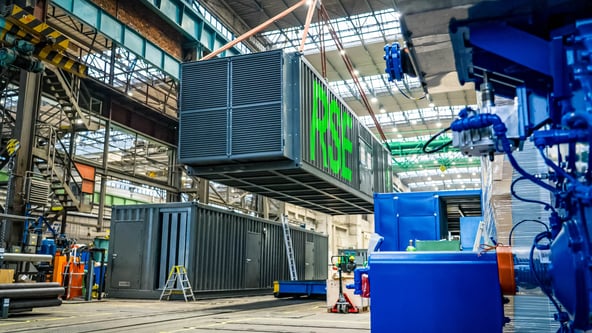
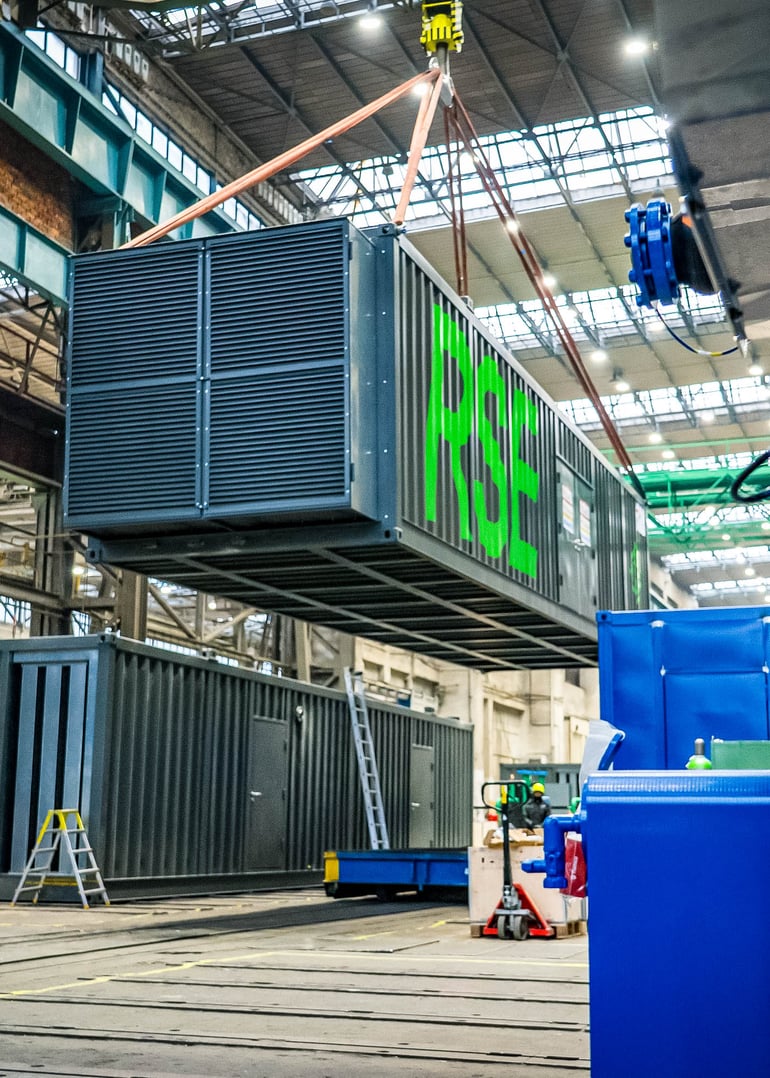
RSE manufactures CHP units in the Czech Republic based on MWM gas engines, with electrical outputs of up to 4.5 MW. Core systems are integrated and tested at the factory, allowing a typical module to be installed within five to 12 days once the site has been prepared.
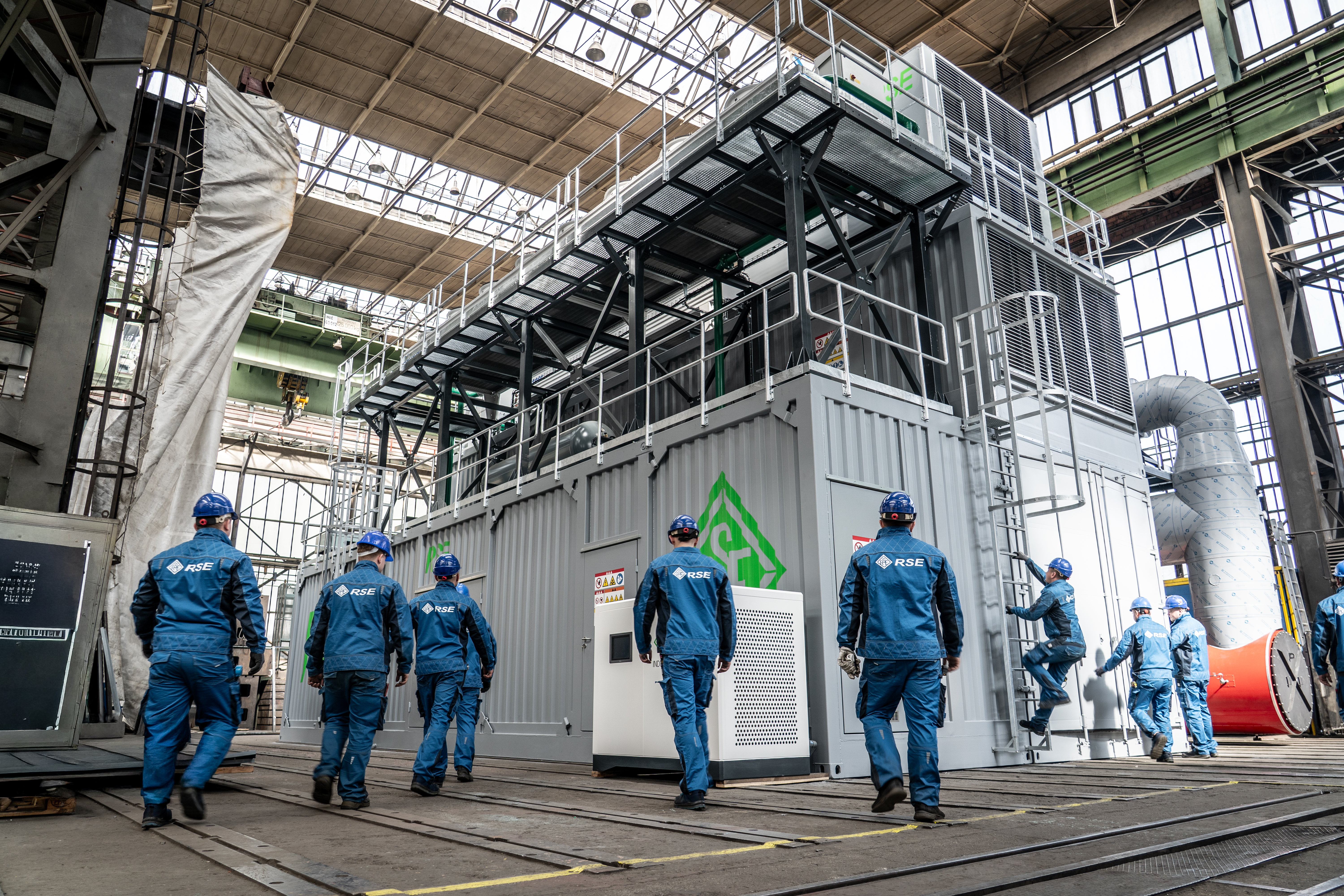
Photo: RSE
One of RSE’s largest cogeneration projects in 2026 is being delivered for a strategic state-owned enterprise in the transport sector. The contract covers solutions with a total capacity of 167 MW, including 33 modular 4.5 MW CHP units. Distributed generation located close to key facilities is designed to keep them operational during prolonged grid disruptions.
RSE is supplying another 23 CHP units with a combined capacity of more than 66 MW for critical and municipal infrastructure in Ukraine following an open tender conducted by a United Nations system organization. The equipment is intended for district heating, water supply and wastewater facilities, locations of which are not disclosed for security reasons.
Andrii Grinenko,
Founder of RSE
Working with public-sector customers and international organizations brings stringent requirements not only for the equipment itself, but also for manufacturing processes, transparency and project management. For a company, it is a test of organizational maturity — and one we are successfully meeting.
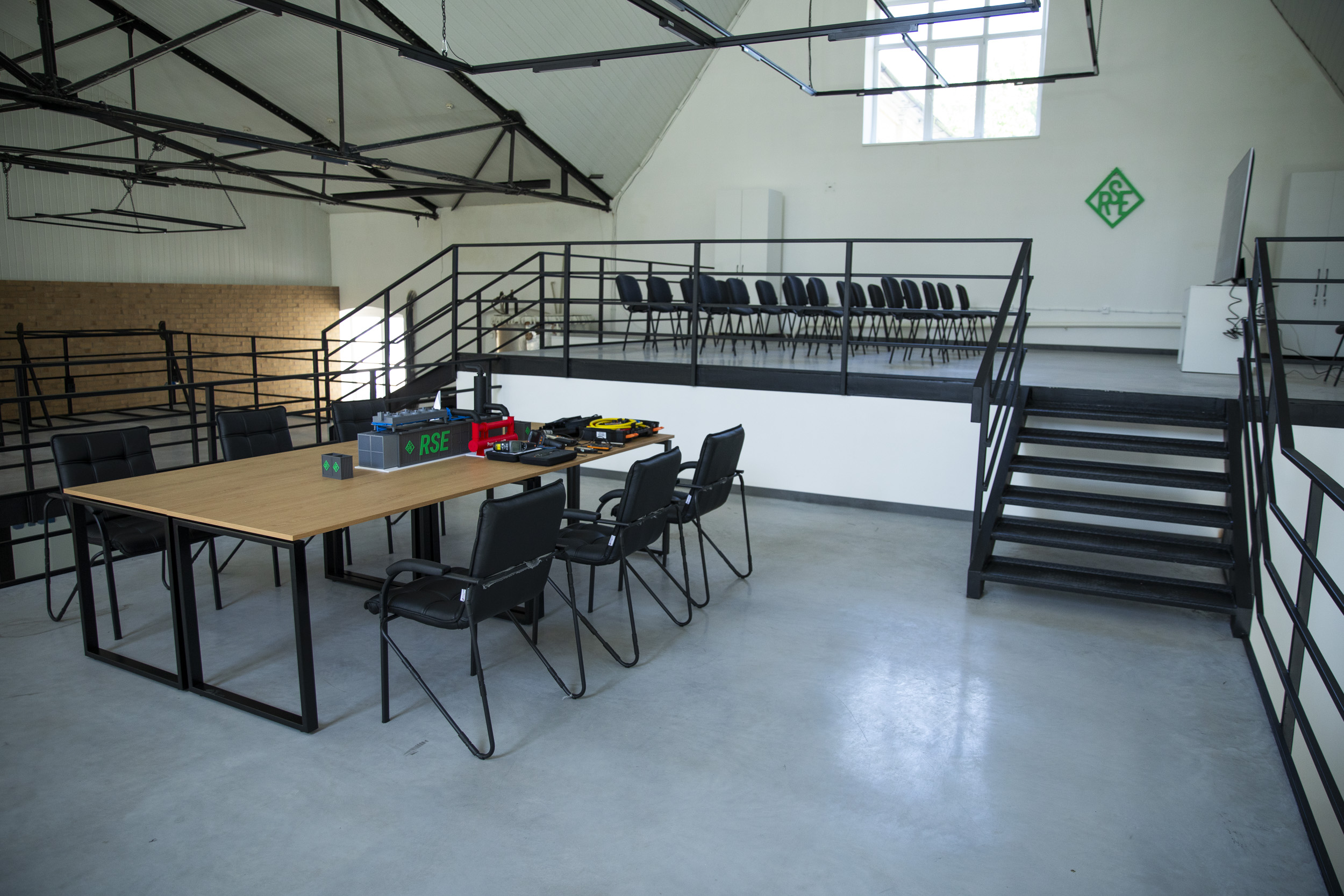
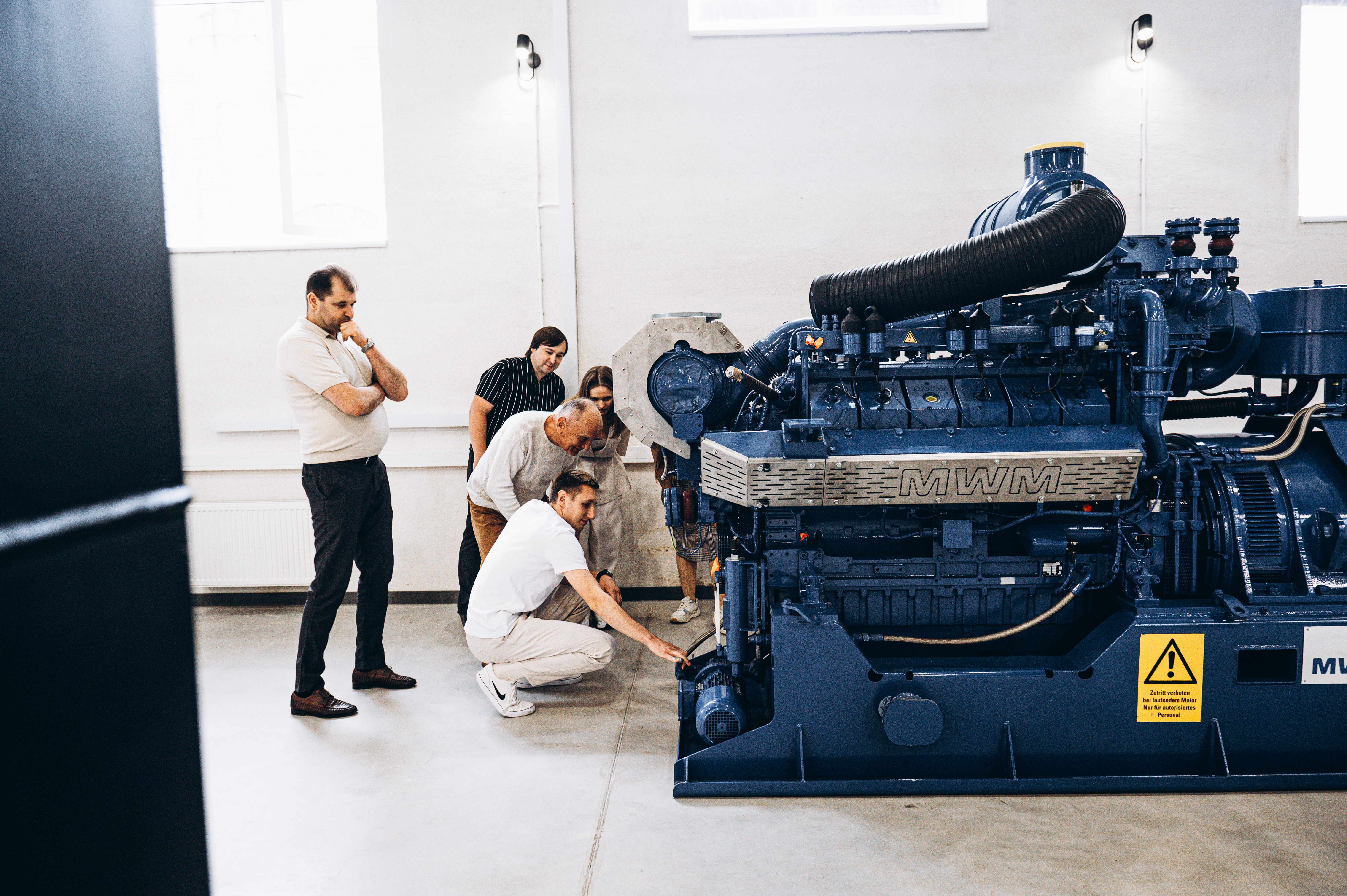
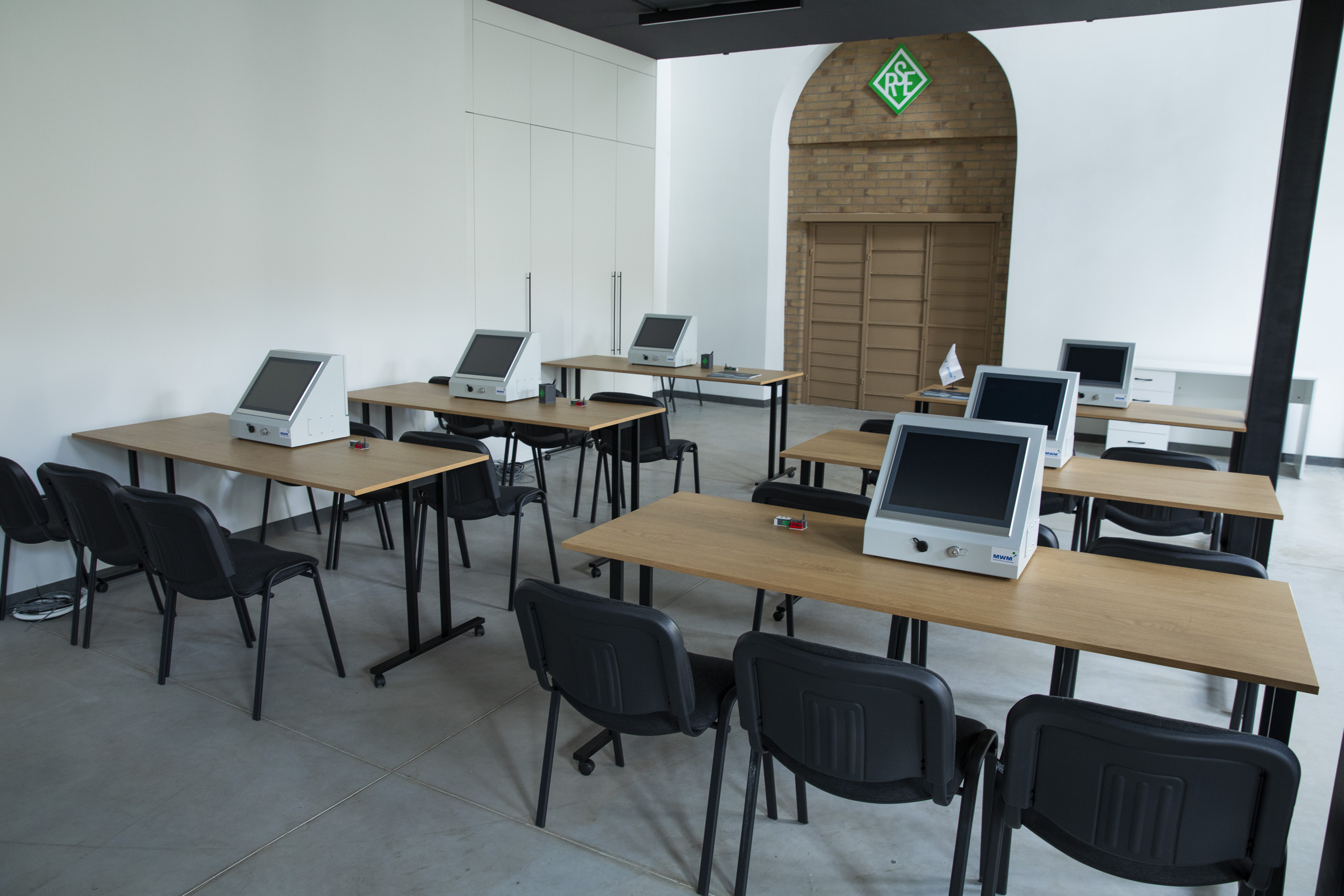
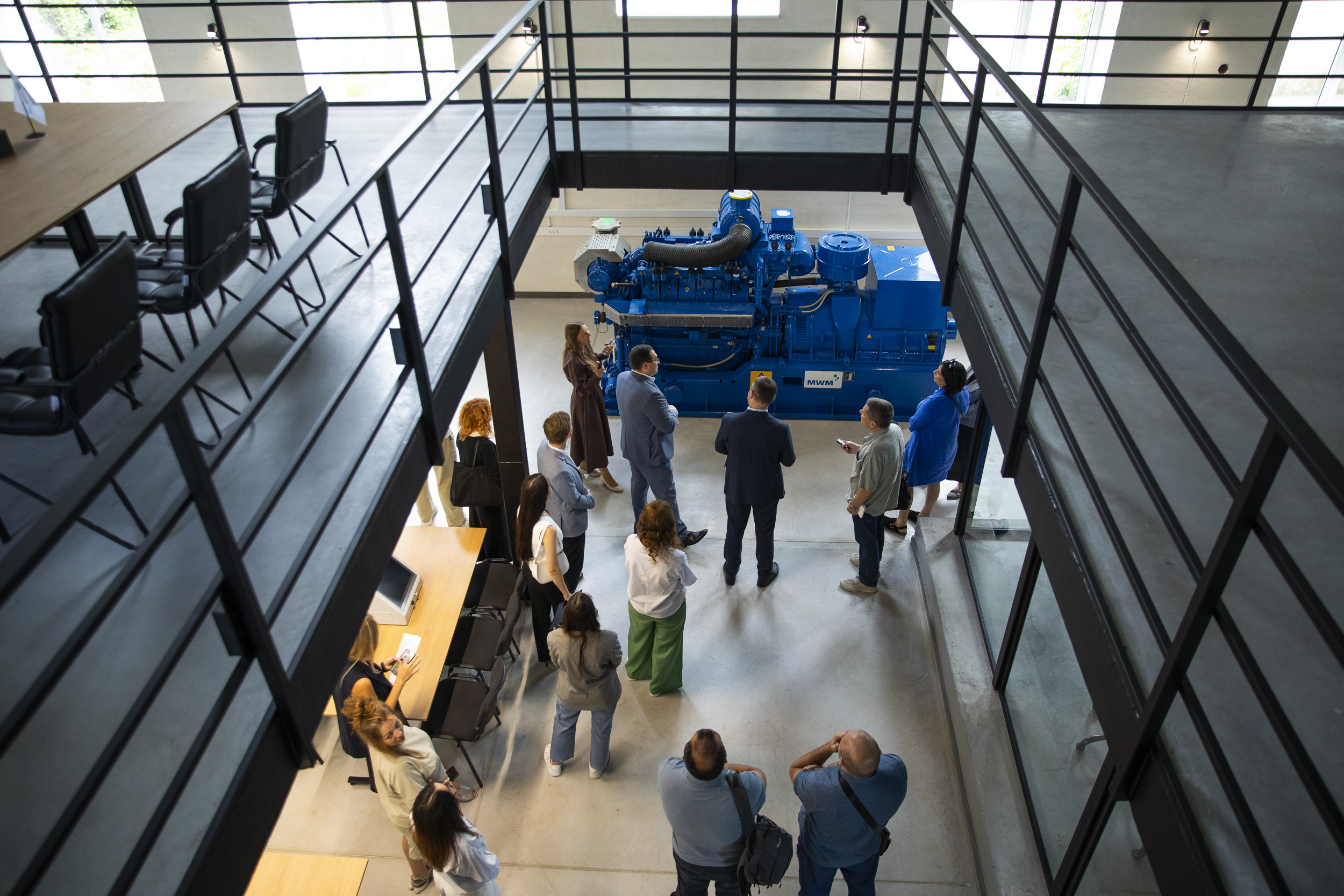
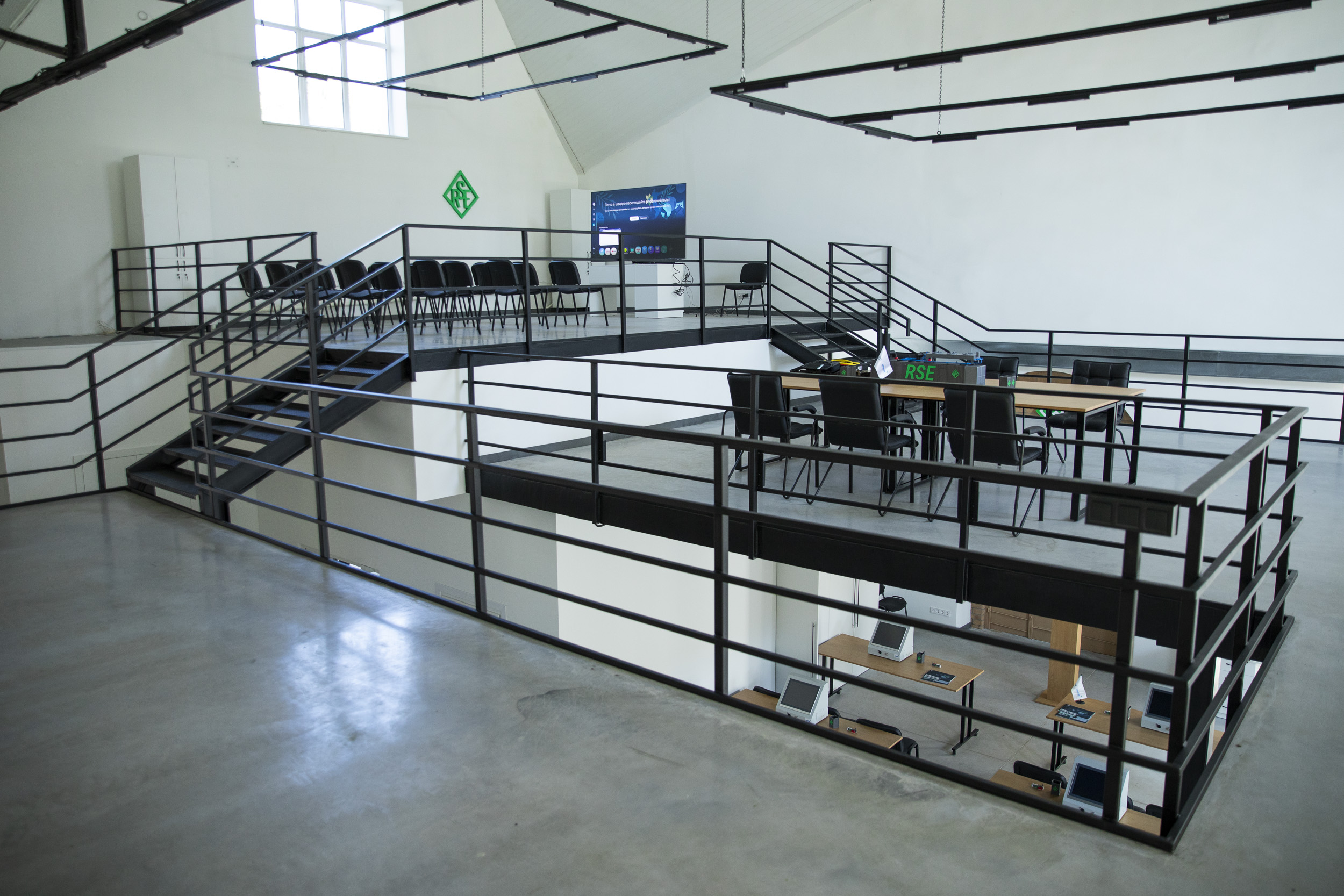
Together with MWM and Igor Sikorsky Kyiv Polytechnic Institute, RSE has also established the Energy Resilience Lab, where students train on equipment designed to replicate real-world energy infrastructure.
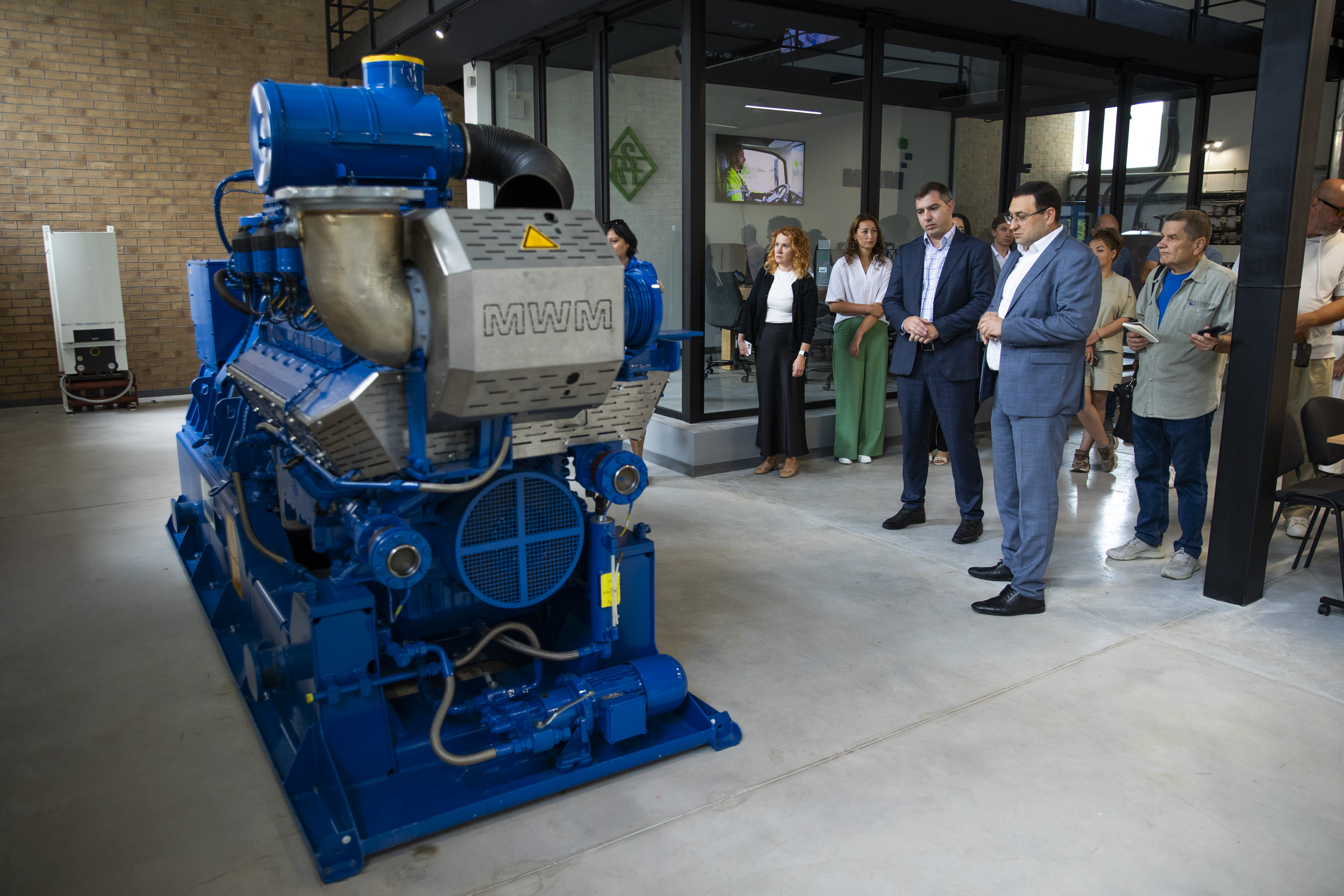
Energy Resilience Lab
Energy Resilience Lab
Energy Resilience Lab
Energy Resilience Lab
Energy Resilience Lab
Energy Resilience Lab
The laboratory includes a 600 kW MWM TCG 2016 genset, automation and gas-engine simulators, and a system for modeling CHP synchronization with the power grid. Starting September 1, KPI will also introduce a dedicated course on ʼCogeneration Systems for Resilient Energy Supply.ʼ
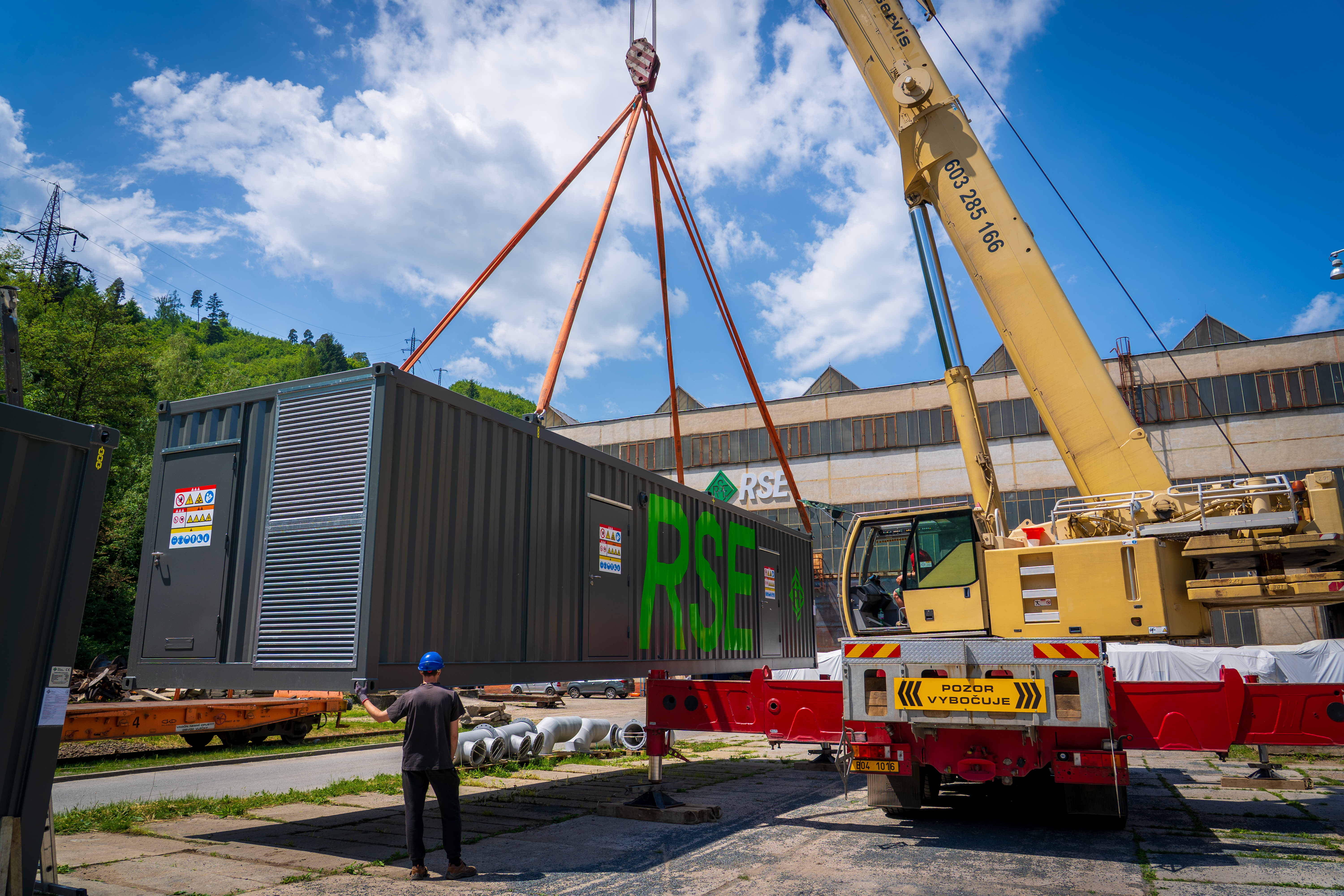
Photo: RSE
The Heat Businesses Are Used to Wasting
A significant share of the thermal energy industrial companies have already paid for ultimately goes to waste — through warm water, exhaust air, flue gases or industrial processes. Heat pumps can recover that energy and return it to the production cycle, while chillers provide the cooling required by the same facility.
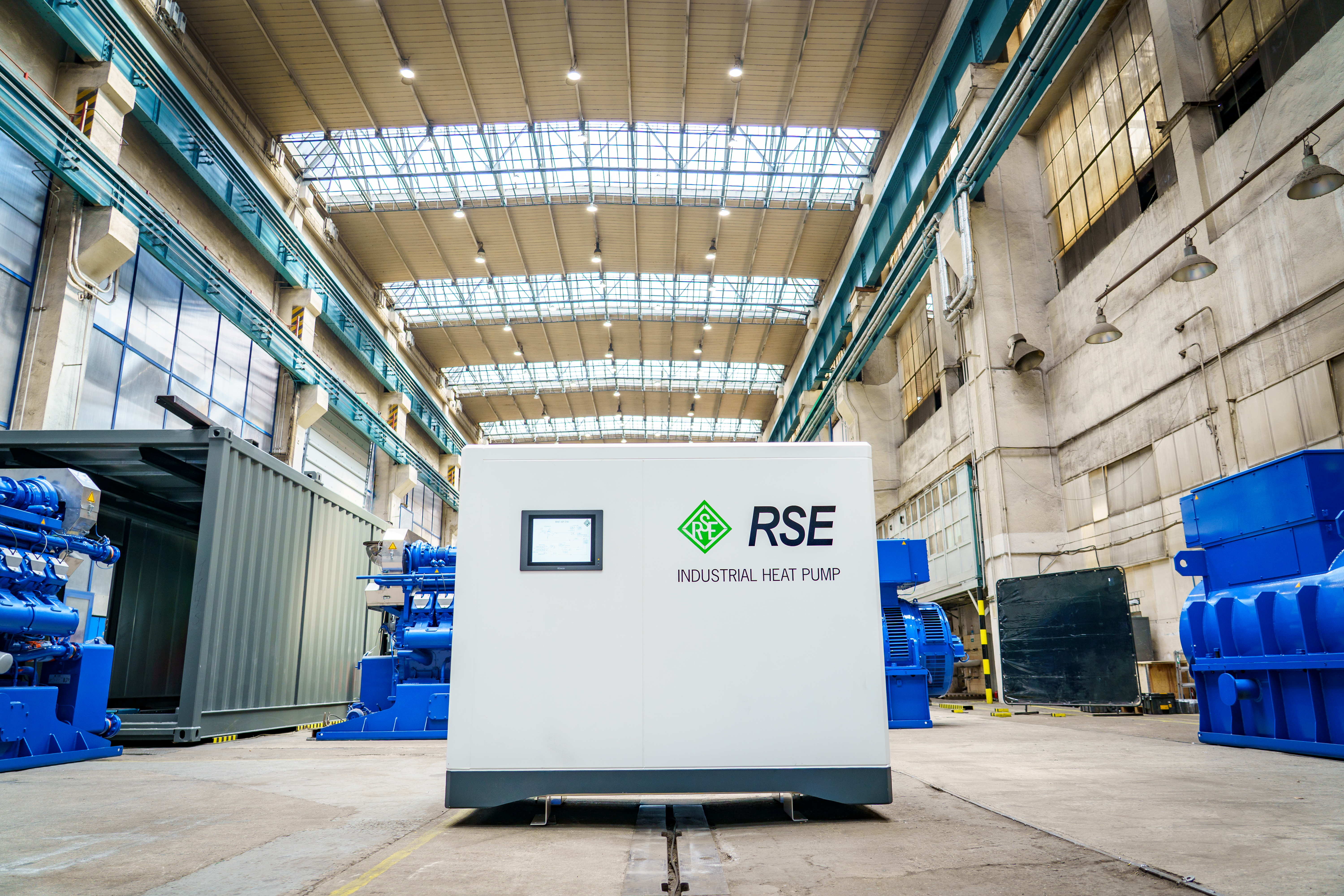
Photo: RSE
RSE has developed a range of industrial heat pumps with capacities from 350 kW to 6.24 MW, as well as industrial chillers. The equipment uses oil-free turbo compressors with gas-dynamic bearings and the natural refrigerant R290. Depending on operating temperatures, the heat pumps can achieve a COP of up to 8.32, while the chillers reach 7.32 or higher.
Andrii Grinenko,
Founder of RSE
Cogeneration produces electricity and heat, while a heat pump recovers energy that would otherwise be lost and returns it to the system. Through this cascading use of energy, overall system efficiency can reach 95%.
To receive a 10 MW thermal load, a conventional gas boiler plant requires more than 1,000 cubic meters of gas per hour. According to RSE calculations, a system combining cogeneration, heat recovery and a heat pump can deliver the same thermal output using approximately 287 cubic meters of gas per hour, while also utilizing electricity and recovered heat from the CHP system and energy from a low-temperature heat source.
RSE plans to apply this approach at a major meat-processing company. The facility already operates six CHP units and three waste-heat recovery boilers, providing 13.8 MW of electrical capacity and 4.8 MW of thermal capacity, while also producing 6–7 tons of process steam per hour.
The next stage is to integrate heat pumps and chillers, enabling the facility to produce electricity, steam, hot water and cooling within a single system while recovering as much energy as possible back into the production cycle.
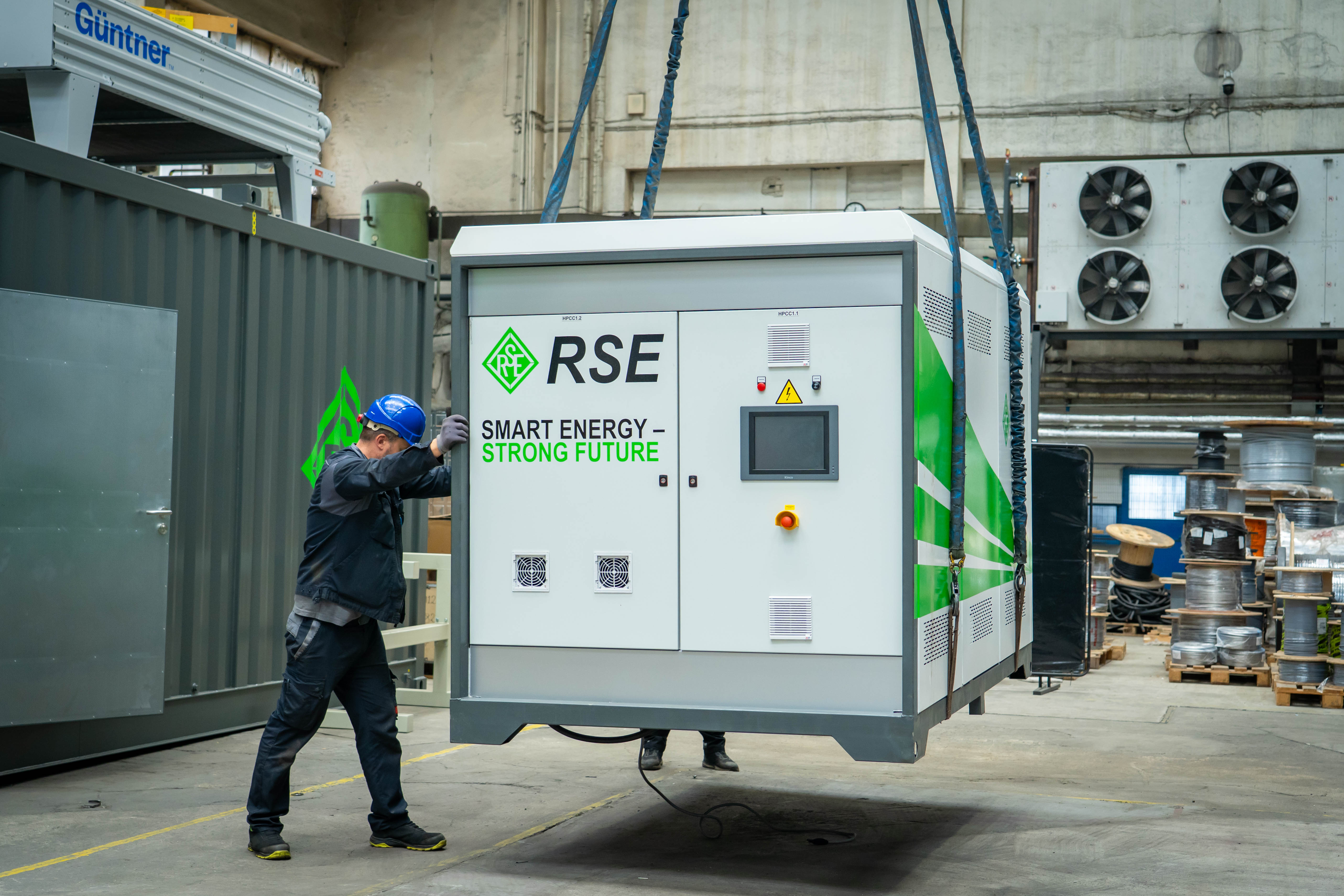
Photo: RSE
When Timing Matters as Much as Volume
On-site generation does not always coincide with demand. At certain times, a facility may produce a surplus of electricity; at others, it may face peak loads. Battery energy storage systems help manage this imbalance.
RSE has already installed more than 50 MWh of BESS capacity across a range of sizes and configurations, both as standalone systems and integrated with cogeneration and renewable energy sources.
Andrii Grinenko,
Founder of RSE
BESS is increasingly becoming part of an integrated energy system. For businesses, the goal is not simply to generate electricity, but to maximize the value of that electricity on-site by using it when it makes the most economic sense.
In spring 2026, RSE integrated a BESS with one of its own 4.5 MW CHP units at a combined heat and power facility. A unified control system coordinates generation, battery storage, site loads, and the external grid, helping the operator use self-generated electricity more efficiently and reduce reliance on the grid during peak-demand periods.
Another use case is integration with renewable generation. One of RSE’s largest BESS projects, rated at 2.5 MW with 10 MWh of storage capacity, is integrated with a solar power plant. The system stores excess generation and releases it when the facility needs it most or when electricity has a higher market value.
ʼThere is no universal BESS configuration. One business may need to store excess generation, another to shave peak demand, and a third to maintain autonomous operation. The use case ultimately determines how the system should be designed,ʼ Grinenko explains.
Backup Power Is No Longer Tied to a Single Site
With energy infrastructure facing persistent risks, having backup capacity alone is no longer enough. What matters is the ability to move that capacity quickly to wherever it is needed. Alongside stationary generation, RSE is therefore developing mobile energy solutions — on automobile platforms and even on rail.
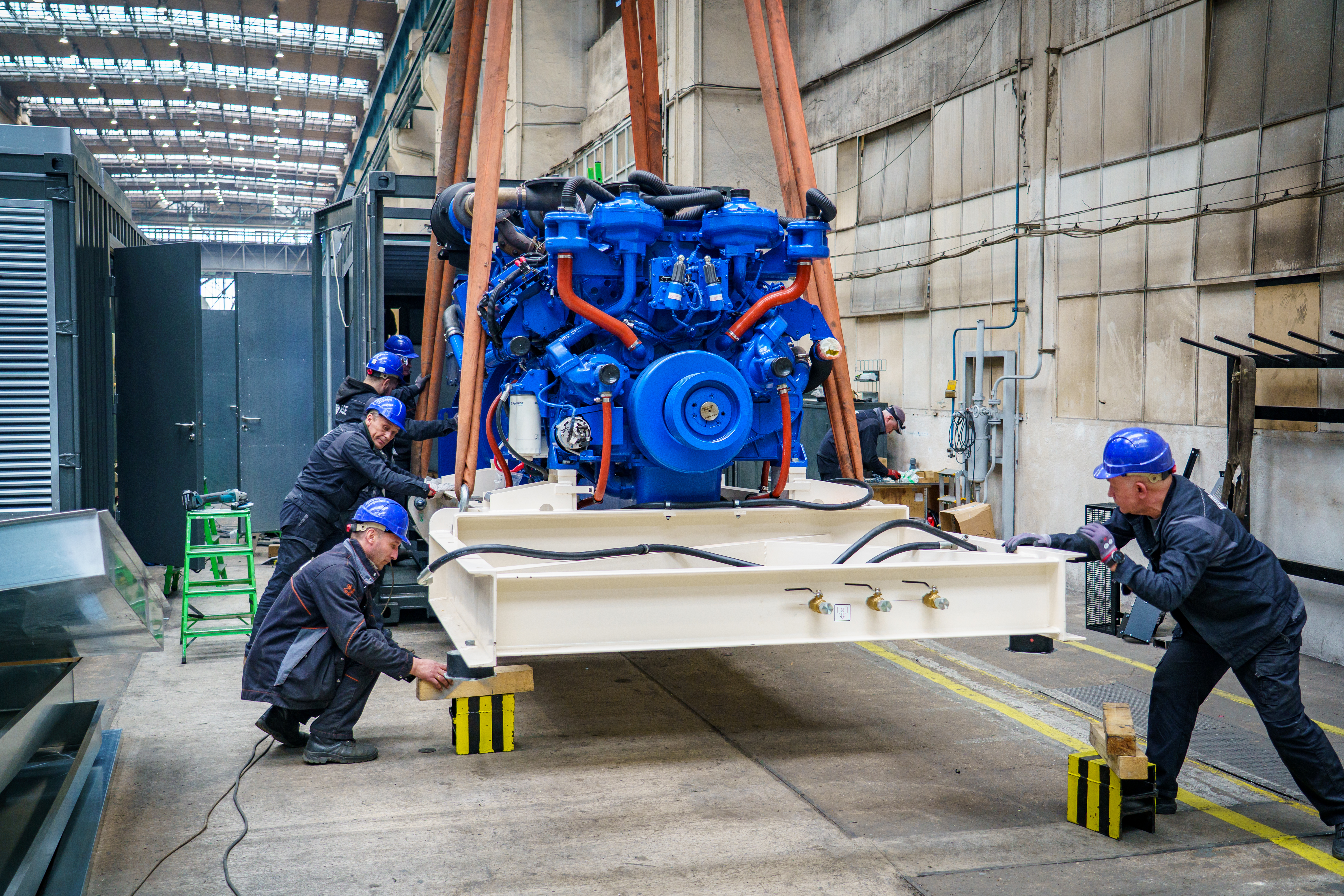
Photo: RSE
The company works with FG Wilson diesel generator sets ranging from 6.8 to 2,500 kVA, which are adapted at RSE’s Czech manufacturing facility for specific applications — from stationary and containerized configurations to fully mobile power plants.
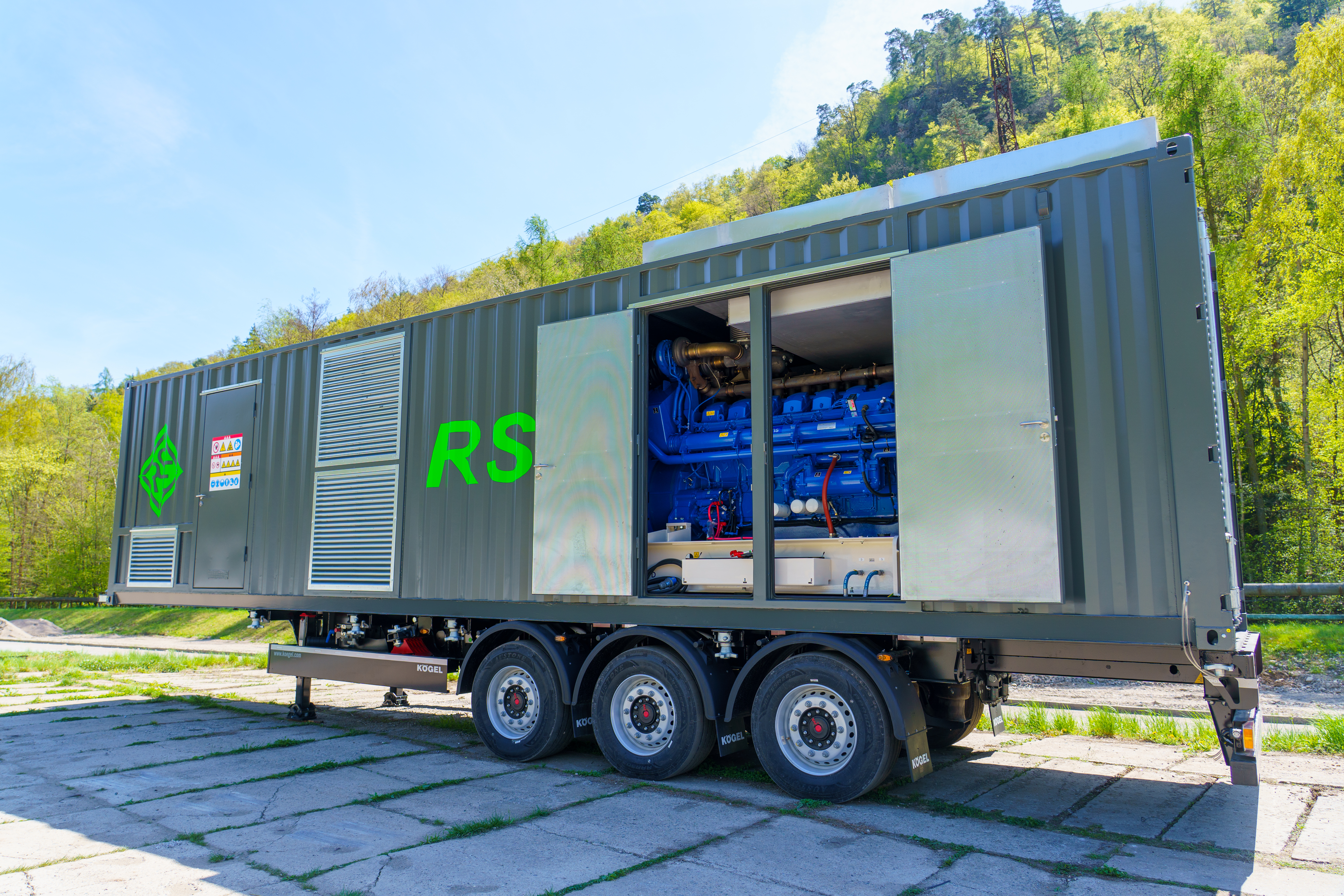
Photo: RSE
One such project involves 2,500 kVA diesel power stations mounted on automobile platforms. RSE has already supplied 15 of these units to a government agency responsible for restoring Ukraine’s critical infrastructure. The units undergo factory testing and arrive on-site ready for connection, without requiring foundations or lengthy installation. Another 55 units are expected to be ready for shipment by the end of the year.
Andrii Grinenko,
Founder of RSE
During large-scale attacks, it is impossible to predict which facility will need backup power tomorrow. Mobile generation allows power capacity to be moved wherever it is most needed at any given time.
The next step in this concept is the Energy Train, a megawatt-scale mobile power plant mounted on a railway platform. RSE is developing the system in configurations using either gas or diesel engines with outputs of 2.0–2.3 MW. The power plant can be moved by rail between prepared sites and put into operation without dismantling the equipment.
RSE in Numbers: Scale and New Markets
- More than 1 GW — the combined capacity of RSE projects delivered and under contract.
- Expanding international presence — the company has established operations in the United States, the United Kingdom, Germany, Poland, Spain and African markets.
- New business lines — RSE has secured its first European pre-orders for its proprietary industrial heat pumps and chillers and has become one of only five authorized Olympian sales and service providers in the United States. Olympian is part of the Caterpillar brand portfolio.
Data provided by the company’s press office.
Energy as a System
For businesses, the question is no longer which individual technology to choose, but how to combine generation, storage, heating and cooling into one efficient energy system.
ʼBusinesses don’t simply need megawatts. They need operational continuity, predictable energy costs and maximum efficiency from every unit of fuel. That is the outcome we design for when we bring different technologies together,ʼ Andrii Grinenko concludes.

RSE: How a Czech Company with Ukrainian Roots Is Redefining the Energy Market Amid War
- Категорія
- Компании
- Дата