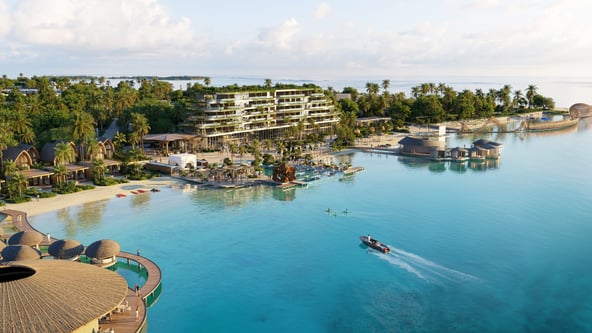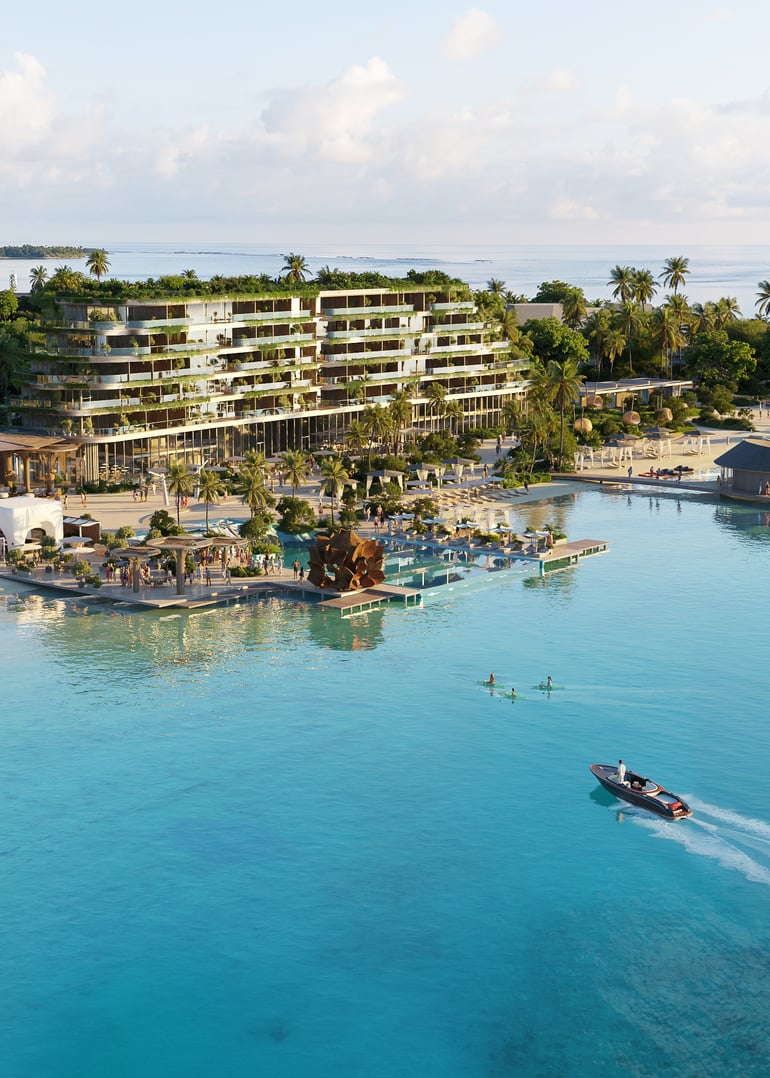
Developer Teus Group has announced the launch of its first project in the Maldives – Radisson Resort Maldives. The resort is being developed as an income-generating hospitality real estate asset under the management of the international Radisson brand and marks the next phase in the company’s expansion across Asia.
Teus Group is a developer specializing in income-producing hotel real estate in prime турист destinations, with projects currently underway in Bali and Turkey. An entrepreneur of Ukrainian origin Basel Houari leads the company.
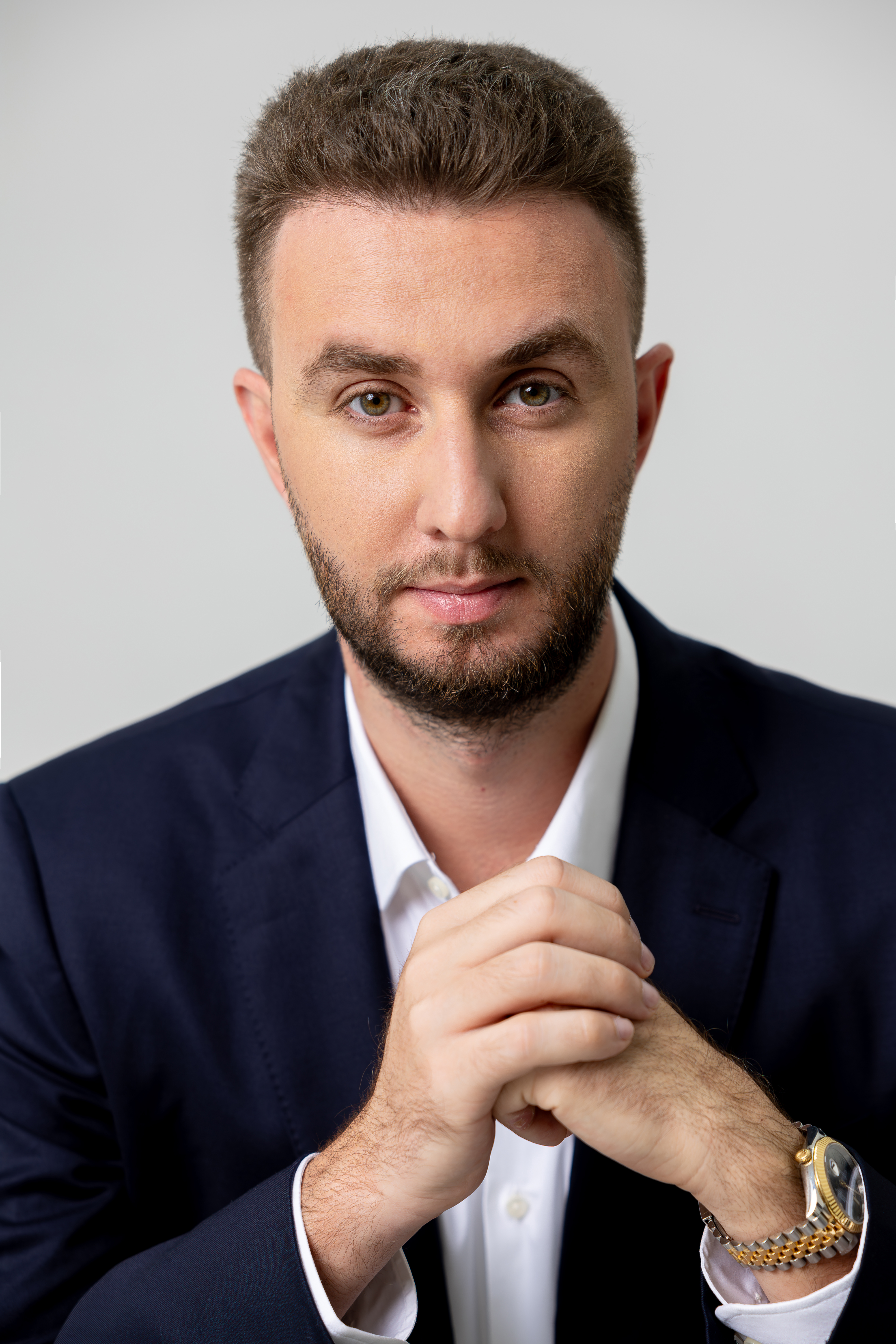
Basel Houari, founder & CEO Teus Group
Last year, Forbes BrandVoice wrote about Teus Group’s entry into the Bali market. What has changed since then in terms of your strategy, scale, and ambitions?
Over the past year, we have systematized our international strategy and scaling logic and are now developing as an international developer with a diversified portfolio of projects.
Teus Group has seen significant growth in both construction pace and volume in Bali. The Amani Melasti project is actively under development and demonstrating strong sales performance. At the same time, we launched another project under the management of the international hotel operator Wyndham – Ramada Nusa Dua – and entered the villa segment after identifying strong demand for this format.
Today, we consistently compete among the top international developers in Bali as a company that selects prime locations, works with the right formats and global hotel brands, and creates products that are clear and attractive to investors.
We are currently evaluating new markets, taking a pragmatic approach by testing assumptions, demand, and long-term potential. For us, it is not just about geographic expansion, but about building a strong reputation and a broader ecosystem of trust around Teus Group.
Render of Radisson Resort Maldives.
Was the launch of a new project in the Maldives a logical continuation of your Asian strategy?
Absolutely. We have identified Asia as a key region for growth. It combines favorable macroeconomic conditions, a growing middle class, and strong demand for resort real estate. Unlike European markets, Asia is less heavily regulated, which gives developers more room to scale and offers investors stronger structural protection.
For Teus Group, it is important to enter markets at an early stage of formation or during periods of active growth. This is the logic behind our presence in Bali, and it is the same approach we are taking in the Maldives. These are markets with strong global branding, limited supply, and long-term growth potential.
The launch of a new project in the Maldives is a consistent continuation of our Asian strategy: diversification, early market entry, and a focus on stable, investment-grade products that are clear and understandable for investors.
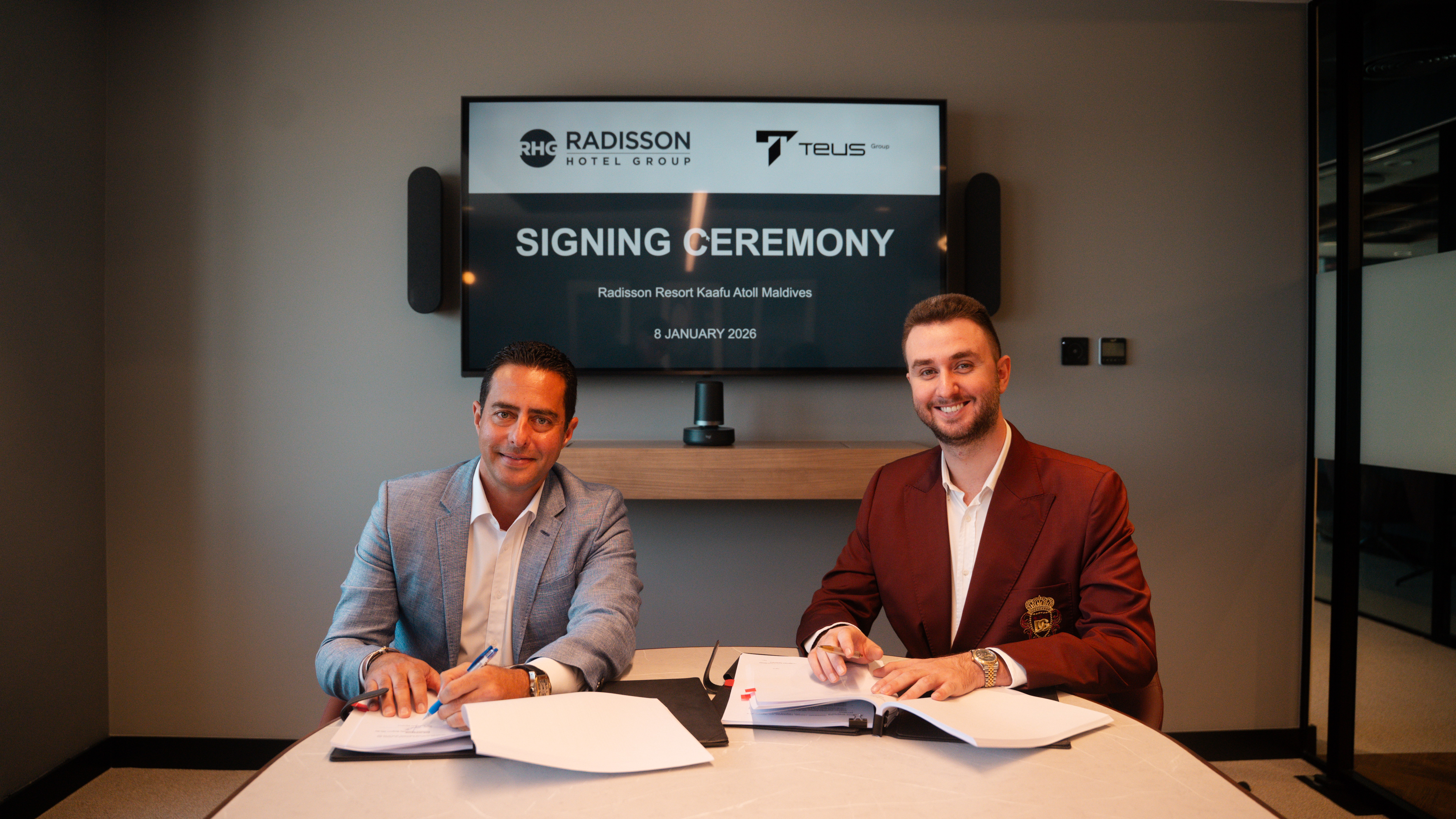
Signing ceremony.
However, the Maldives is traditionally associated with closed, ultra-premium resorts. How did you identify an opportunity to enter this market?
The Maldives is one of the strongest resort brands in the world, with limited supply and a high barrier to entry. For decades, the market developed exclusively in the premium segment, effectively as a closed club of major hotel players. Land plots were allocated either to state entities or large international corporations, which developed resorts under their own management. The quality mid-scale and ʼupper mid-scaleʼ segments were largely outside their focus, and income-generating real estate was not part of the model.
Recently, the market has begun to change. New development approaches have emerged, international investor interest has increased, and regulators have shown greater openness to more flexible formats.
We identified a structural imbalance between supply and demand and an opportunity to introduce a new product format in a market that is only beginning to transform. This is a classic example of early entry into a segment that is mature in terms of demand, but still underdeveloped from a real estate development perspective.
What fundamentally differentiates the Radisson Resort Maldives format from traditional Maldivian resorts?
First and foremost, it is the product philosophy. We approached the project from the perspective of the modern traveler: efficient logistics, the option for longer stays, a clear and intuitive accommodation format, and hotel infrastructure designed for couples, families, and guests who combine leisure with remote work.
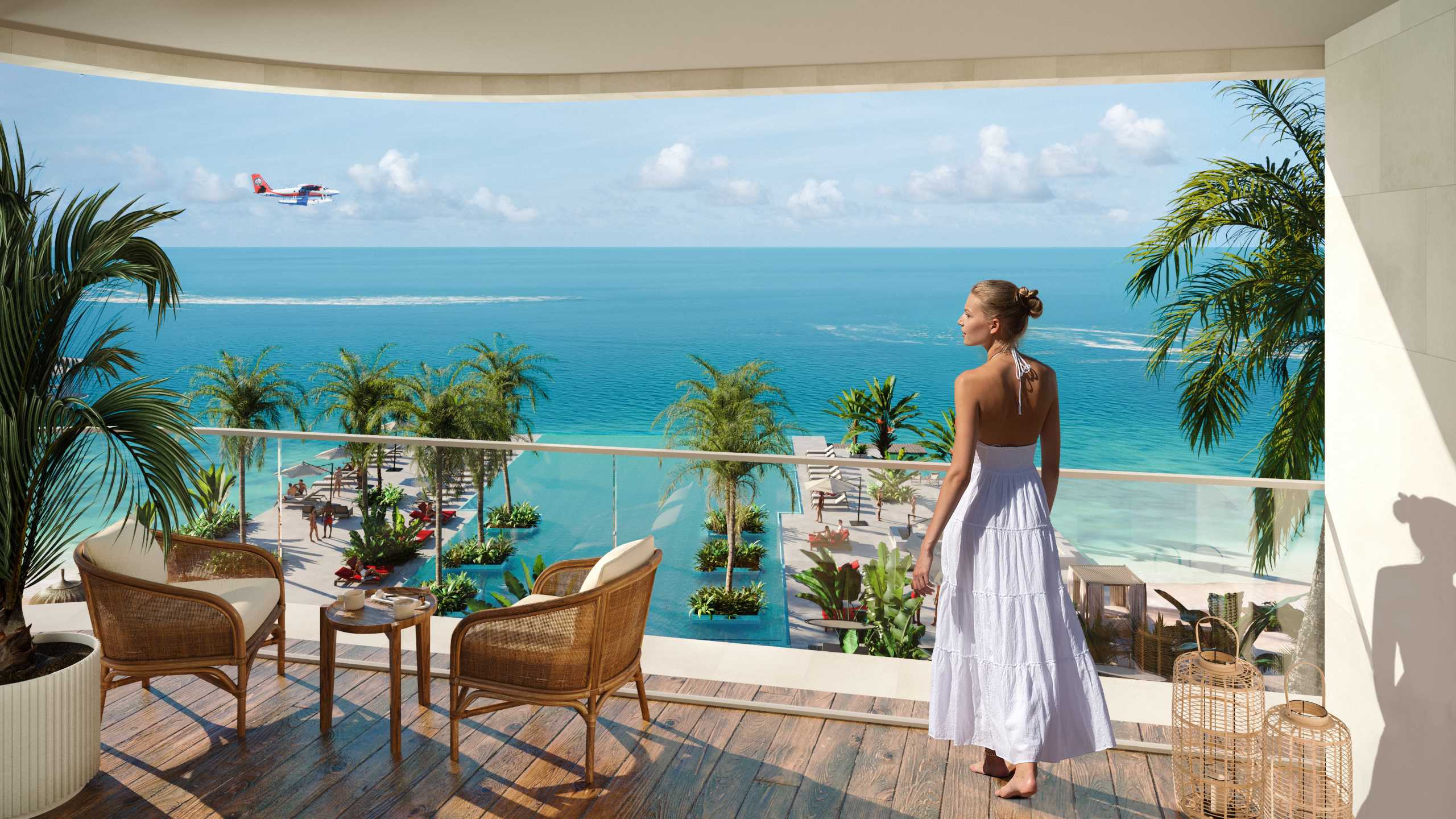
Render of Radisson Resort Maldives.
The project is located just 25 minutes from the airport by speedboat, which significantly lowers the entry barrier for travelers and makes the Maldives more accessible – without compromising the resort experience.
How do you assess your experience working with international operators, and how critical is cooperation with global hotel brands for you?
Global brands deliver higher occupancy rates, stronger operational discipline, and more predictable returns for investors. They operate under clearly defined standards, take full responsibility for management, and carry reputational accountability for performance.
This is a core element of our strategy. Global practice shows that large investors, funds, and developers increasingly choose this model because it minimizes risk and makes the business transparent and understandable. For us, the priority is to create a stable product with long-term value.
How did the contract-signing process with Radisson unfold, and what was critical for you in this partnership?
It was a deep, multi-stage collaboration. Together, we conducted a detailed analysis of the location, concept, financial model, and target audiences.
It was essential for us that the operator not only manage the hotel, but also be involved in shaping the product from the very beginning. What proved decisive in this partnership was Radisson’s expertise in the ʼupper-midscaleʼ segment, its operational standards, and its ability to deliver consistent results over the long term.
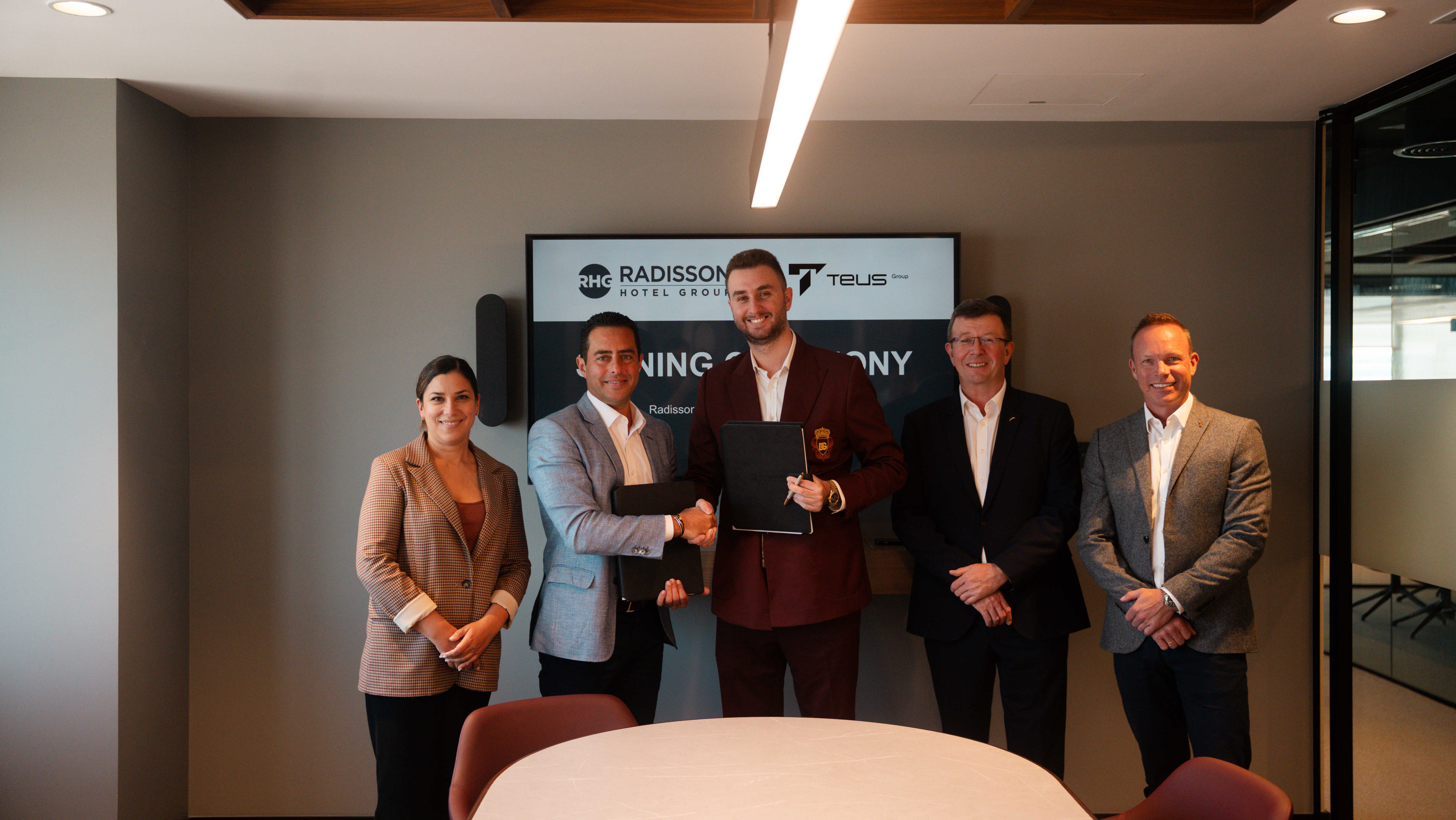
Signing ceremony. Фото предоставлена пресс-службой
Who is the target audience for Radisson Resort Maldives?
Our primary audience consists of private investors from Europe, Ukraine, and the United States who view resort real estate as a long-term, capital-protected asset and are looking for a clear income model under the management of an international operator. Stability, transparency, and predictable returns are key for them.
We also see strong interest from investors who already have experience investing abroad and are seeking to diversify their portfolios through resort assets in globally recognized destinations.
The entry logic differs between European and American investors and Ukrainian investors. Ukrainians tend to enter at earlier stages, relying on trust in the developer and growth potential. International investors typically join at later stages, when the project has reached a higher level of readiness – they are willing to pay a premium for reduced risk. Both audiences are strategically important to us.
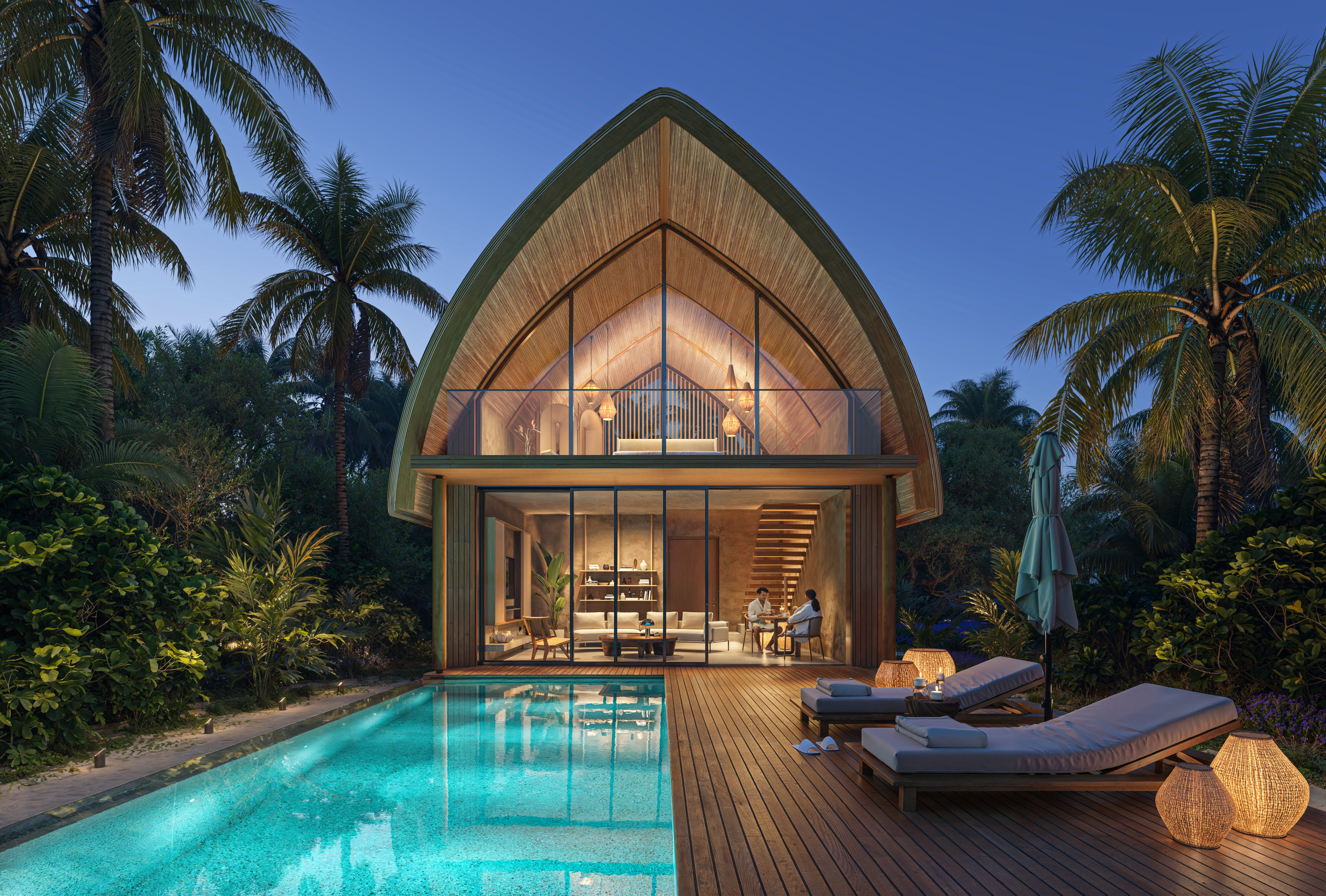
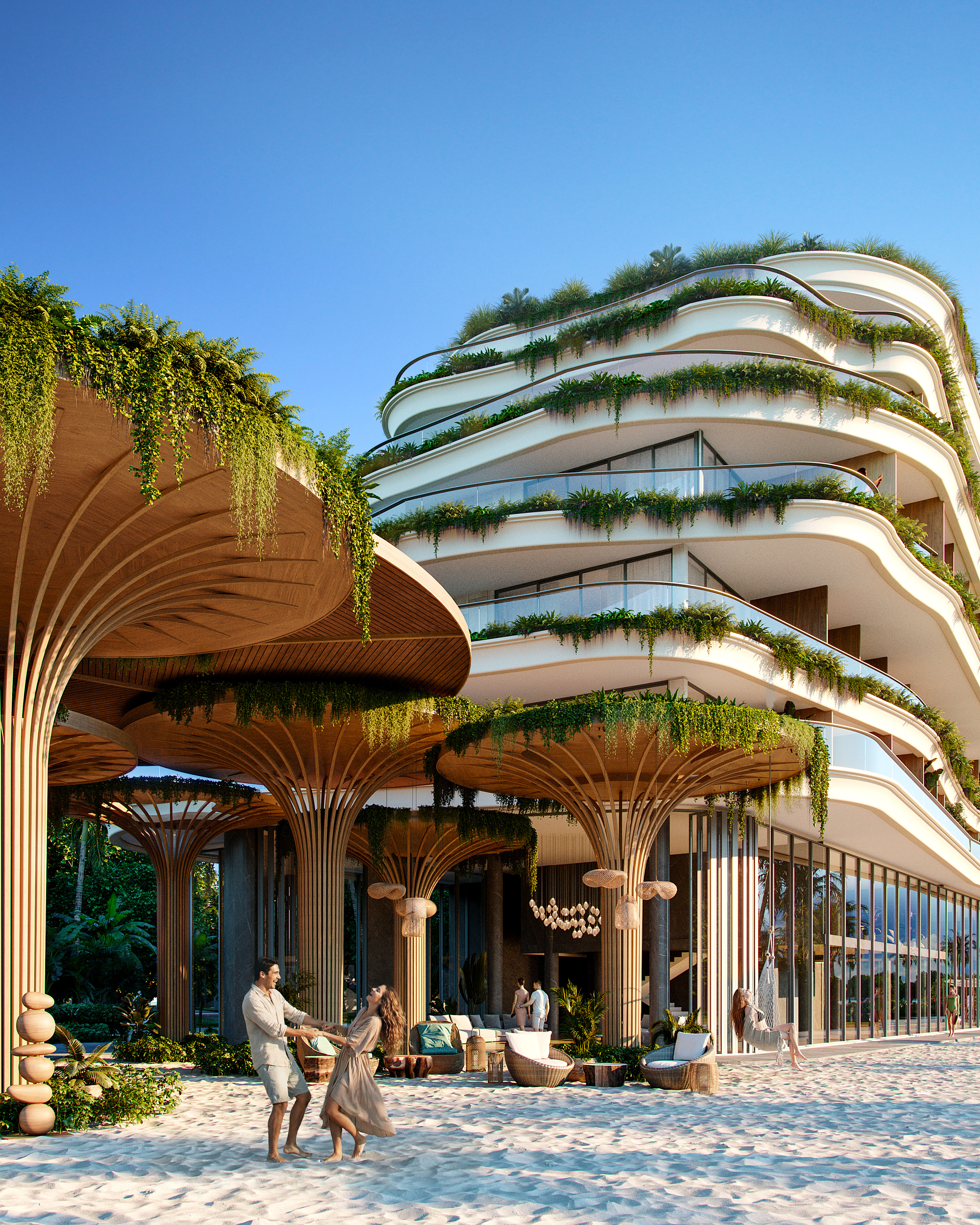
Render of Radisson Resort Maldives.
Why do you see an entry threshold of $200,000 as a competitive advantage?
It effectively opens up a new category of investors to the Maldivian market. Traditionally, investment entry levels here were significantly higher, which limited participation. We have introduced a format that maintains international resort standards while making the investment more accessible – without compromising quality.
This approach allows us to attract a broader investor base and creates a more liquid and flexible investment product.
How do you balance investment returns with the option of personal use, which is inherent to income-generating real estate?
The project will operate as a full-scale hotel under the management of an international operator, ensuring stable operational income. At the same time, investors will have the option to use their property personally for a defined period each year, without falling outside the overall management model.
This balance makes it possible to combine financial efficiency with the emotional value of owning resort real estate in one of the world’s most desirable destinations.
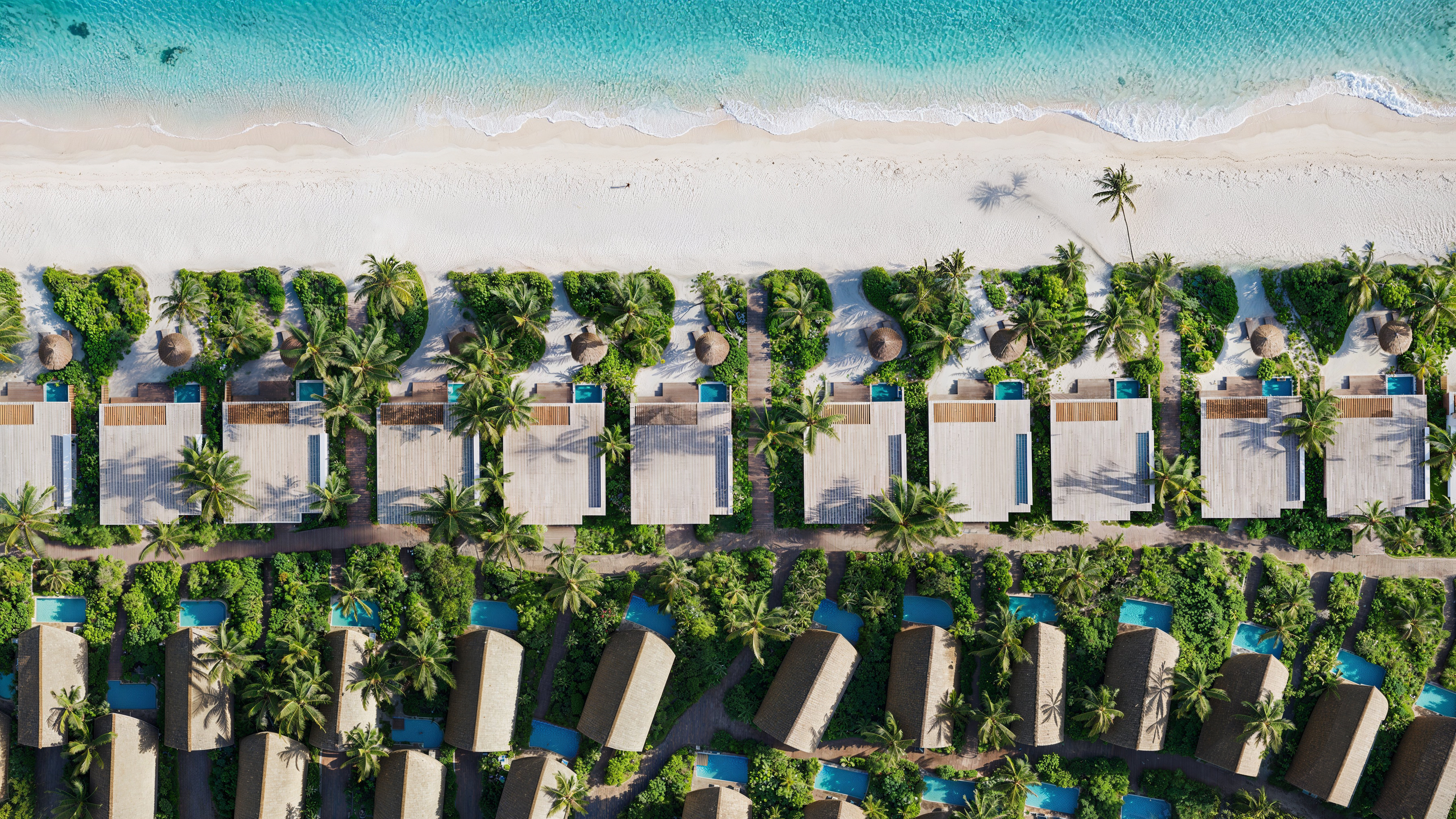
Render of Radisson Resort Maldives.
What returns do you project for the project, and what factors influence them?
Returns are driven by stable tourist demand, limited market supply, effective management by an international operator, and correct pricing and product positioning.
It is critical for us not to overstate expectations and to work with figures that can be realistically delivered through operations.
What role is Radisson Resort Maldives expected to play in Teus Group’s further development?
Radisson Resort Maldives establishes a new benchmark for Teus Group as an international developer. It is intended to serve as a reference project in terms of product quality, partnership with a global brand, and execution in a complex jurisdiction.
This project forms a reputational foundation for further growth, opening the door to new international partnerships and reinforcing our ability to deliver projects in globally competitive markets.
How do you see the Maldivian market evolving over the next five to ten years, and what role will Teus Group play in it?
Over the next five to ten years, the Maldivian market will become more structured and increasingly open to development formats involving private capital.
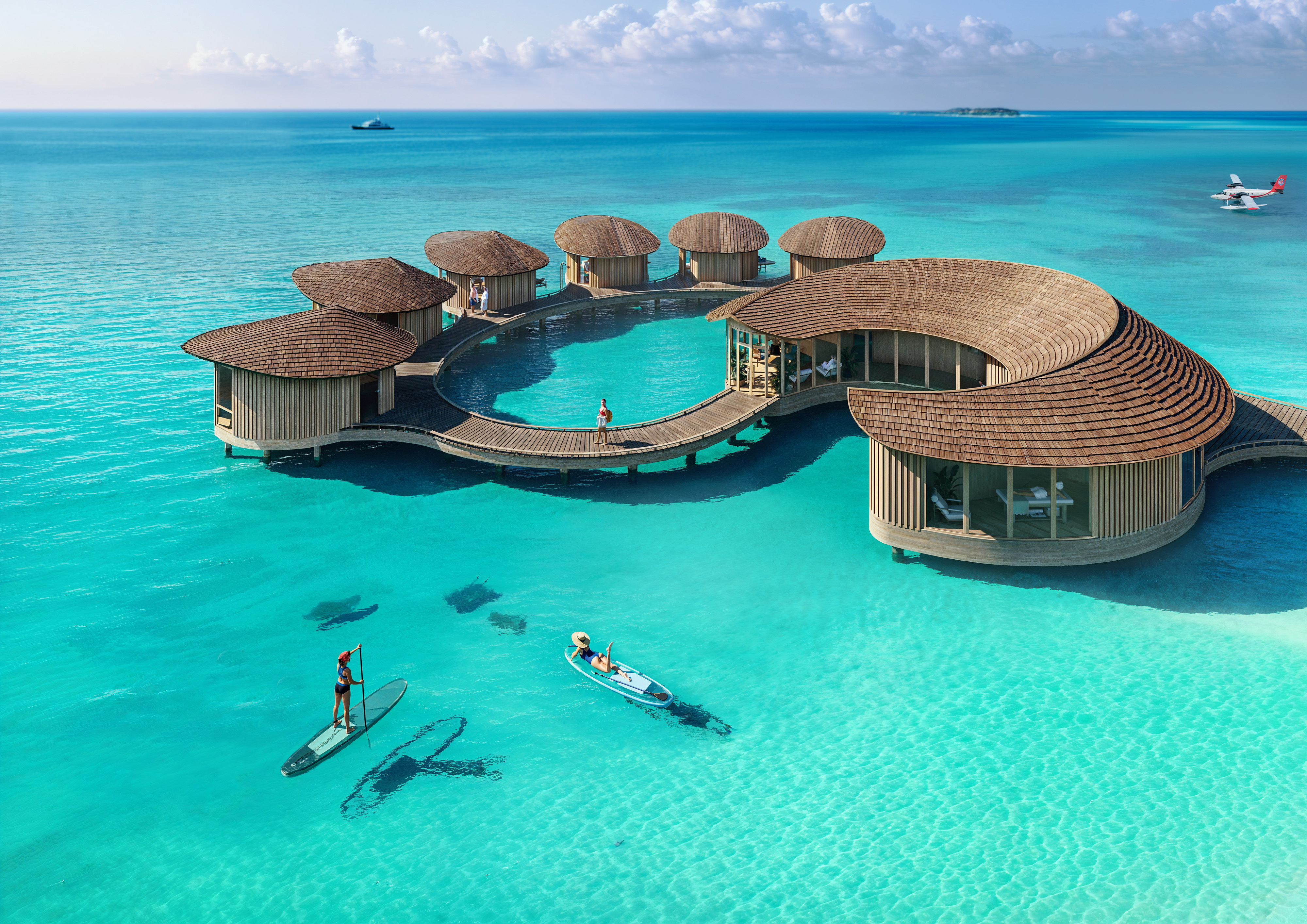
Render of Radisson Resort Maldives.
Alongside traditional resorts, we will see more investment products managed by international operators. I see Teus Group’s role as creating high-quality, long-term projects that set standards for the market’s next phase of development.
Which other development directions are a priority for you?
We are focused on resort projects where we can combine a clear investment rationale with a strong operational product. Our priorities include income-generating real estate formats in partnership with international operators, as well as segments where there is a structural supply shortage.
We are not chasing the number of projects or markets. What matters to us is disciplined growth, deep expertise in each location, and long-term value creation for investors.
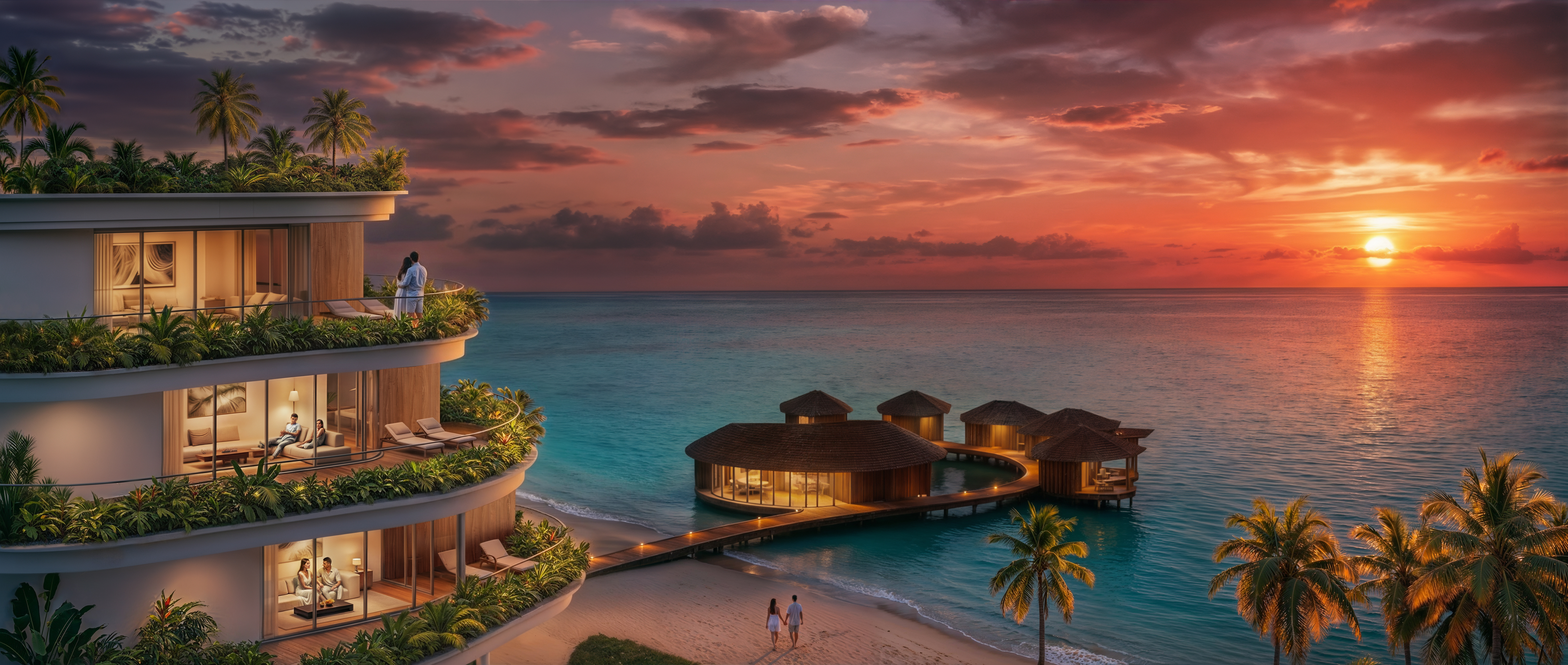
Render of Radisson Resort Maldives.